 Cat Trivia Games
iOS App
PERSONALITY QUIZ / PERSIAN
The Persian personality
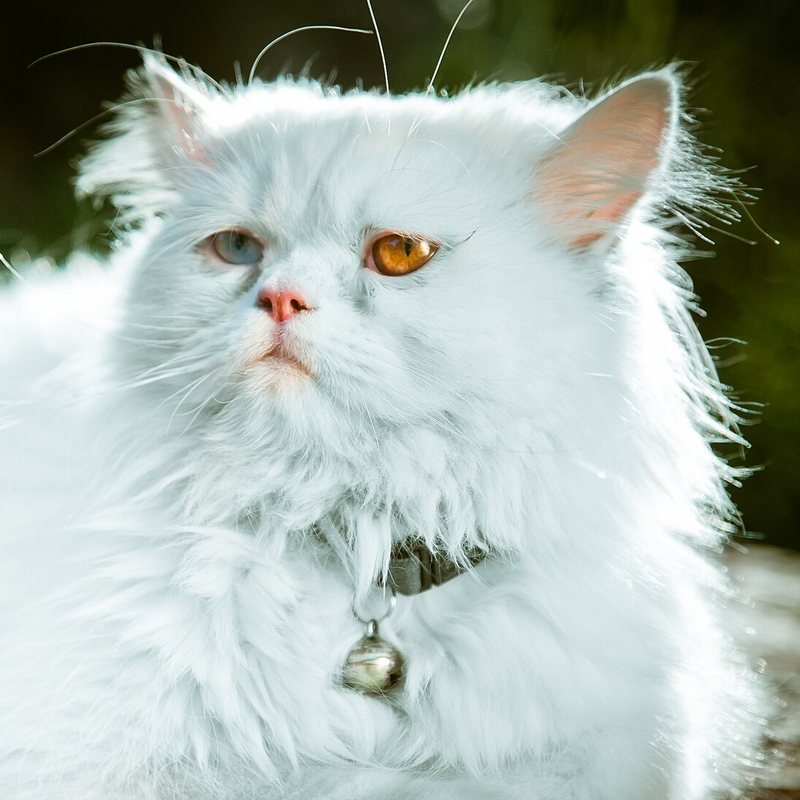
Persians are often described as quiet cats that enjoy a settled home. Some seek lap time; others prefer resting nearby. Their reputation for calm does not mean they need no play, and a change in activity should not automatically be blamed on temperament.
Breed descriptions suggest tendencies, but individual cats vary. Some findings come from owner surveys or expert ratings rather than direct behavioral tests.
Health and welfare
International Cat Care explains that an extremely flat face can cause breathing difficulty, eye problems, constantly running eyes and dental disease, and it believes severe brachycephaly in Persians and similar breeds should not be continued through further breeding. Polycystic kidney disease was found in more than a third of the Persian and Exotic cats tested in the 1990s, and breeders have used screening since then to reduce it. Sources: International Cat Care on flat faces and International Cat Care
What is a Persian like?
Breed profiles describe a calm, gentle cat. The Cat Fanciers' Association calls the Persian playful yet placid and devoted to its people, and VCA describes an affectionate cat that is rarely demanding and does best with a quiet home and a steady routine. A behavior consultant quoted by PetMD adds that Persians can be especially sensitive to changes in their surroundings.
What the research found
A 2019 owner survey of 5,726 cats in Finland grouped Persians with Exotics. That group was among the least aggressive, among the least likely to be shy of new objects, and among the most likely to have a behavior problem reported by the owner (Salonen and colleagues, Scientific Reports). Earlier studies had ranked Persians among the more fearful breeds, so the evidence on shyness is mixed. In a 2009 study in which Japanese veterinarians rated breeds, the Persian came out very low in vivaciousness (Takeuchi and Mori).
How active are Persians?
Most profiles describe gentle, unhurried play. PetMD mentions short bursts of energy between long stretches in a sunny spot or at a window, and CFA says a Persian can be persuaded to chase a toy but is often just as happy receiving attention. Climbing curtains and high shelves is not typical. A calm cat still needs some daily play, and a Persian that suddenly plays or moves much less than usual should see a veterinarian rather than being written off as lazy.
Are Persians lap cats?
It depends on the cat. VCA rates the Persian highly as a lap cat, and the PetMD consultant says many prefer bonding through petting and sitting together over play. The Finnish survey points the other way: compared with breeds that earlier studies had also looked at, Persians were the most likely to be described as having little contact with people. Both can be true of different individuals, so let each cat choose how close it wants to be.
Are Persians vocal?
Usually not very. VCA rates chattiness low and mentions soft, melodic chirps, and PetMD describes a quiet, sweet meow used sparingly.
Persians with children and other pets
Here the sources disagree. CFA describes a cat that gets along with children and other pets, VCA says Persians dislike surprises such as noisy visitors or unruly children, and PetMD suggests older children rather than toddlers, plus slow introductions to other cats and to calm dogs that do not chase. The common thread is that noise and unpredictability are hard on many Persians. Supervise early meetings and give the cat a quiet place to retreat.
Everyday life with a Persian
A predictable routine and a calm home matter more than space. PetMD suggests a sunny windowsill and a soft bed rather than wall shelves, and recommends introducing new people and pets gradually, since many Persians are reserved with strangers at first. Daily grooming is part of life with the long coat, and kittens are easier to groom as adults when they get used to it early. The coat, the flat face and health screening are covered in the Persian breed guide.
Just for fun
If this was your quiz result...
You like a calm home and a comfortable seat. You're affectionate with the people you trust, and a quiet evening usually sounds better than a crowded one.
What this result means
In this quiz, this result represents answers that score high on affection and lap factor and low on energy, chattiness and mischief.
The eight quiz traits
YouThe Persian
Quiz scores, not scientific ratings.
Persian personality FAQ
Are Persian cats smart?
Cats show different strengths in learning, play and problem-solving. Breed descriptions are not an intelligence test, and an individual cat may behave differently from its reputation. PetMD notes that some Persians learn cues with clicker training and rewards.
Why does my Persian hide from visitors?
Many Persians are reserved with new people and dislike noise and surprises, so a cat that has always kept its distance from guests may simply prefer a quiet room until they leave. A new habit of hiding is different: a cat that starts hiding more than usual can be unwell, stressed or in pain, and is worth a veterinary check.
Do Persians need a lot of attention?
Most profiles describe an affectionate cat that enjoys gentle attention without being demanding. Plan for daily grooming, some play and quiet time together, and follow the individual cat's lead.
Other profiles to explore
The three results whose quiz scores sit closest to the Persian.
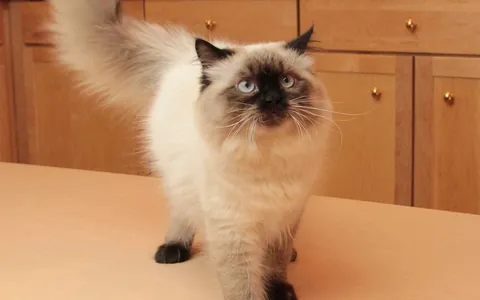
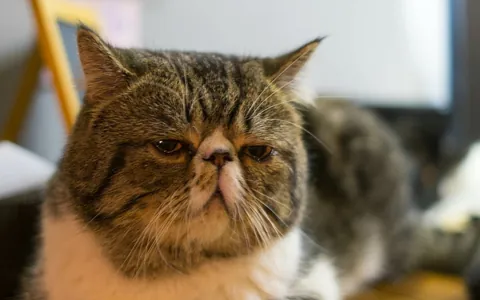
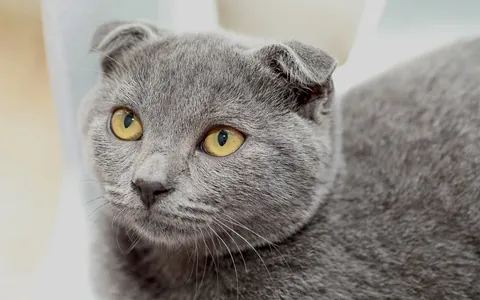
Breed photos: mostly Wikimedia Commons contributors under free licenses, cropped. Every photographer and license is on the photo credits page.
Sources
- Persian, breed profile and standard, Cat Fanciers' Association
- Persian, VCA Animal Hospitals
- Persian cat breed profile, PetMD
- Breed differences of heritable behaviour traits in cats, Salonen M, Vapalahti K, Tiira K, Mäki-Tanila A, Lohi H. Scientific Reports 9:7949 (2019)
- Behavioral profiles of feline breeds in Japan, Takeuchi Y, Mori Y. Journal of Veterinary Medical Science 71(8):1053-1057 (2009)