 Cat Trivia Games
iOS App
Cat Science News
New research about cats, explained in plain English. Each write-up says what the researchers did, what they found, how many cats were involved and what the study cannot tell us, with a link to the paper.
Read the latest Play the biology quizLatest studies and roundups
Studies come from peer-reviewed journals, found through the OpenAlex research index.
 Busok Cat DNA: Two Common Maternal Lines, No Island Lineage
 Cat Attacks on Bats in Ukraine: Rare in Town, Deadly in Roosts
 Cat Purring Model: The Larynx Hums, the Brain Turns It On
 Cat Shyness Tracks Fear, but Some Shy Cats Still Approach
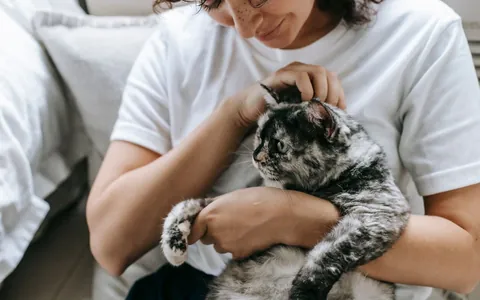 Cat and owner oxytocin
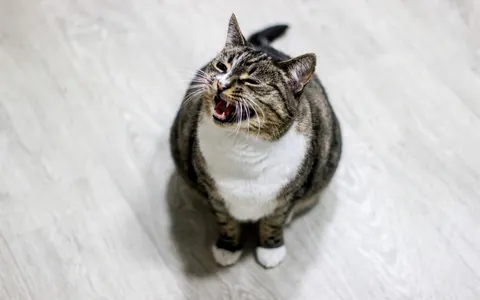 Cats Meow More When Someone Is There: 86 Meows Versus 20
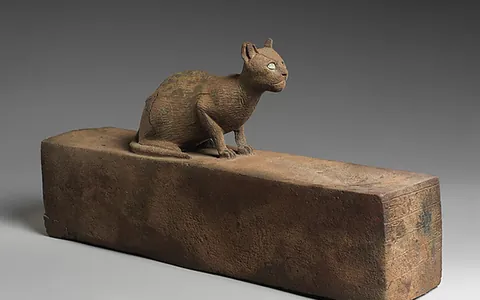 Egyptian cat mummy skulls
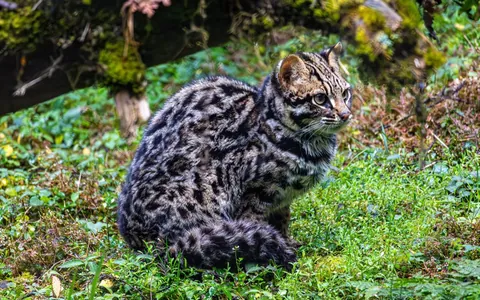 Leopard Cats in a Panda Park Keep Their Night Hours Near People
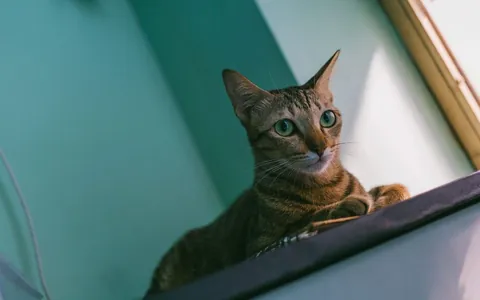 October 2026 roundup
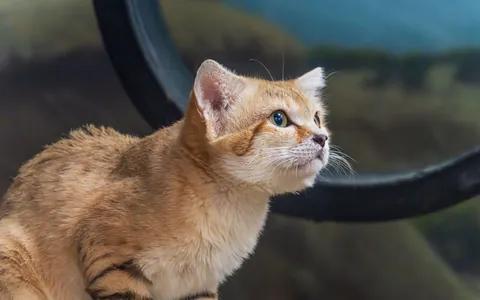 Sand cats recorded in Tunisia
 The 10 Most Cited Cat Studies
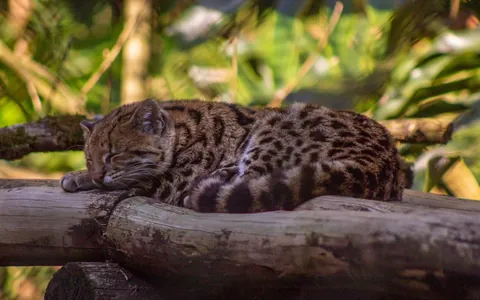 Tiger Cats Split Into Five Species, One New From Bolivia
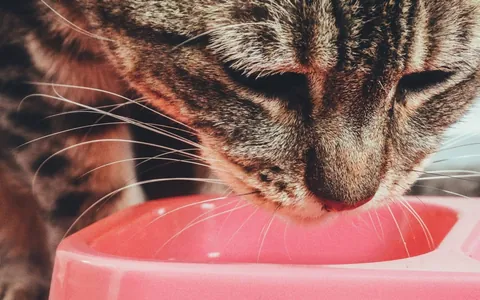 Whisker Stress Bowls Tested: Fewer Spills, Same Appetite
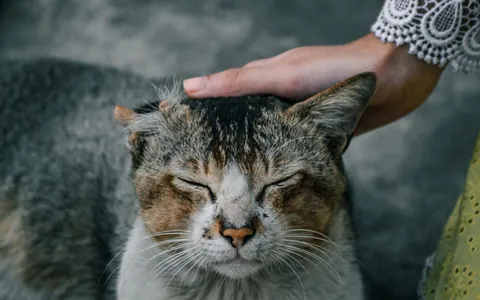 Why Cats Bite When You Pet Them: What 66 Owners Reported
Test what you know
Quick quiz: how well do you know cat biology?
In cats, the gene controlling orange fur color is located on which chromosome?
Answer: The X chromosome. Orange coloration is sex-linked, carried on the X chromosome, which is why the trait's inheritance pattern differs between male and female cats. Source
In flat-faced cat breeds, dental crowding and misalignment occur mainly because:
Answer: The jaw shortens more than the teeth do, leaving too little room for them. Breeding for a shortened skull reduces jaw length while tooth size stays about the same, so teeth become crowded and can rotate or overlap. Source
Most male tortoiseshell cats are sterile because they carry an extra X chromosome (an XXY karyotype, feline Klinefelter syndrome). Yet a small number of male torties turn out to be fertile. What most often explains a fertile male tortoiseshell's coat?
Answer: He is a genetic chimera formed from two fused embryos. A fertile male tortie is usually a chimera: two early embryos with different orange alleles merge into one cat, so different cell lines grow orange and black fur even though his sex cells remain a normal single-X male. Because he is not XXY, his reproductive tract can be unaffected, unlike the XXY Klinefelter males whose extra X disrupts sperm production. Source
How studies are chosen
Each week, new journal articles about domestic cats are sorted for the ones a curious cat person would want to hear about: behavior, communication, cognition, genetics, evolution and the science of how cats move. Clinical studies about diagnosing or treating disease are left to veterinarians.
Every summary is written from the paper itself or its abstract, and says how many cats were studied. A single study is rarely the last word, so each write-up notes what it cannot show. The editorial policy explains how the site is written and corrected.