 Cat Trivia Games
iOS App
Why Cats Do What They Do
Kneading your blanket, following you to the bathroom, staring across the room: cats give us plenty to wonder about. These guides explain common possibilities and what to watch for in your own cat.
Play the behavior quiz Read the guidesCat behavior guides
Pick a question. Each article links its sources.
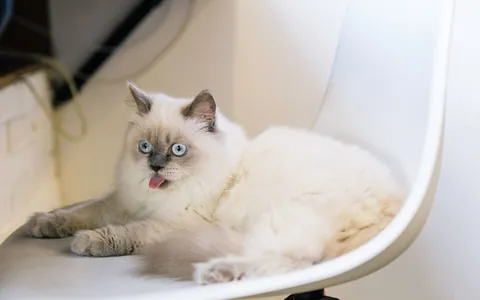 Cat Slang Meaning: Blep, Mlem, Loaf, Zoomies and More
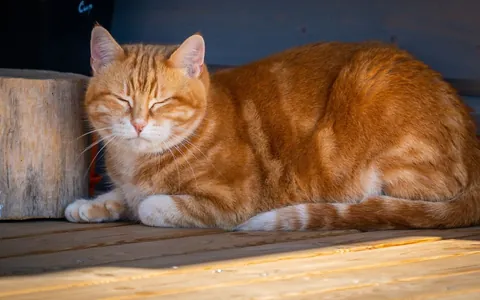 How Do Cats Say Thank You?
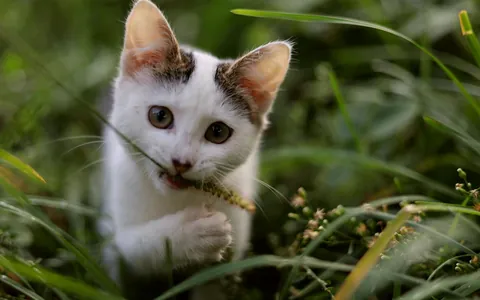 Why Do Cats Bring Home Dead Animals?
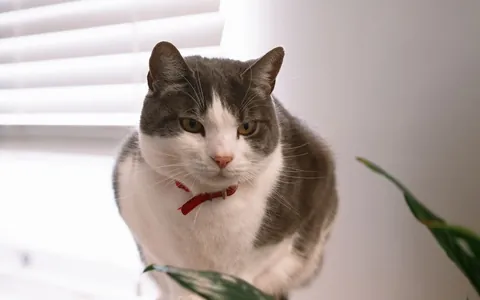 Why Do Cats Headbutt You?
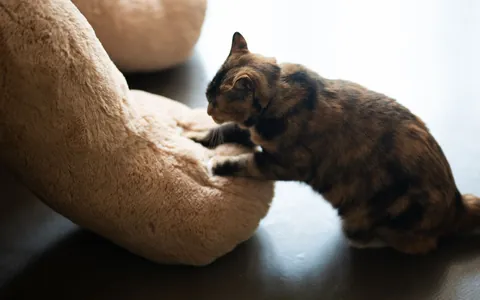 Why Do Cats Knead?
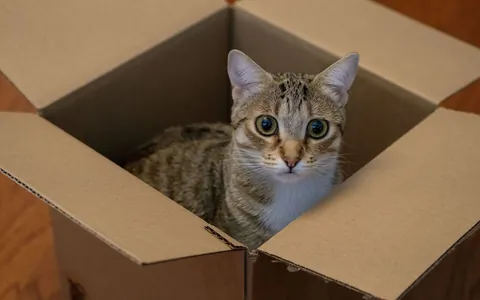 Why Do Cats Like Boxes?
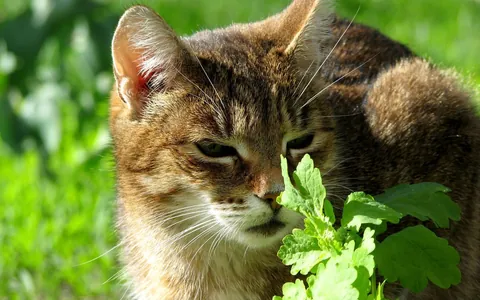 Why Do Cats Like Catnip?
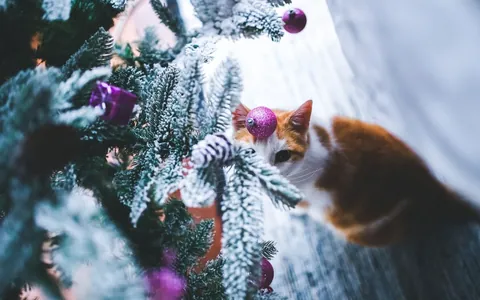 Why Do Cats Like Christmas Trees?
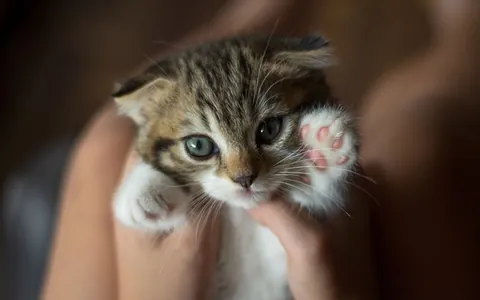 Why Do Cats Purr?
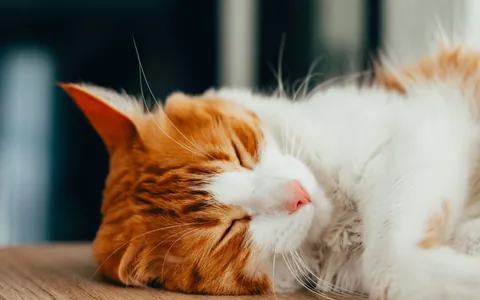 Why Do Cats Sleep So Much?
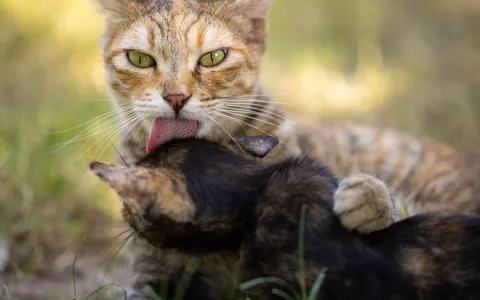 Why Does My Cat Bite Me, Then Lick Me?
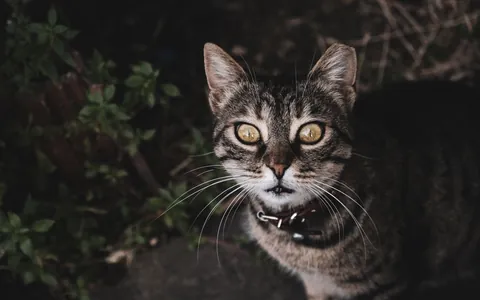 Why Is My Cat Staring at Me?
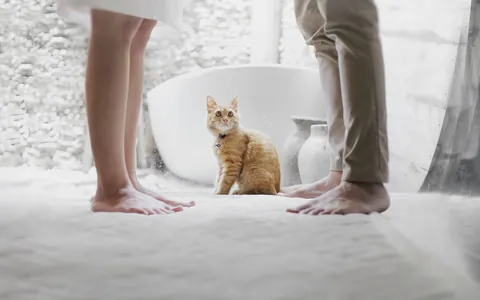 Why Does My Cat Follow Me to the Bathroom?
Test what you know
Quick quiz: how well do you know cat behavior?
How does a Beach Dweller cat's comfort level in open spaces differ from a Bush Dweller's, based on Jackson Galaxy's classification?
Answer: Beach Dwellers feel secure being exposed and visible, while Bush Dwellers need concealment. Galaxy's framework distinguishes these types partly by their comfort with visibility. Beach Dwellers are confident lying openly where they might be seen or people might step on them. Bush Dwellers, by contrast, require concealed positions to feel secure while they wait to hunt. Source
How does a cat's scent gland activity relate to middening versus typical litter box elimination?
Answer: Marking behaviors involve deliberate anal gland secretion mixed with feces or urine to intensify the scent message, whereas normal elimination uses minimal gland activation. During deliberate marking, cats often express or activate their anal glands to release additional scent compounds, creating a more potent communication signal. This voluntary control distinguishes marking from routine elimination. The intensified scent is crucial for effective territorial and social communication with other cats. Source
How many main facial scent glands do cats have for marking during greeting?
Answer: Multiple glands on the cheeks, chin, and forehead. Cats have scent glands in multiple locations: on their cheeks, chin, lips, and the sides of their forehead. These glands produce pheromones used in greeting and territorial marking behaviors. Source
About these guides
Every article here takes one specific behavior and covers what it is, the common reasons cats do it, what the research says, and when it is worth a call to your vet. Each article links its sources. A single behavior rarely tells you exactly what a cat feels, and every cat is an individual, so the guides describe possibilities rather than translations.
For more, the Cat Trivia Games app, coming soon, will have cat behavior lessons, and the cat facts library and breed guides cover the rest.