 Cat Trivia Games
iOS App
Cats in American Art: Folk Portraits, Photos and Ancient Peru
These 40 works come from across the Americas. The oldest is a ceramic cat vessel of the 10th century BCE that the Met lists as possibly Olmec, and the newest are watercolors made around 1940 for the Index of American Design. In between are Moche and Inca pottery, a Chimú feathered tunic, folk portraits of children with their cats, and photographs from the 1840s on.
Pottery and textiles from the ancient Americas
Cat and feline vessels by Moche, Nasca, Chimú and Inca potters, a Paracas dish, a possibly Olmec vessel, and three tunics with cats woven or feathered into them.
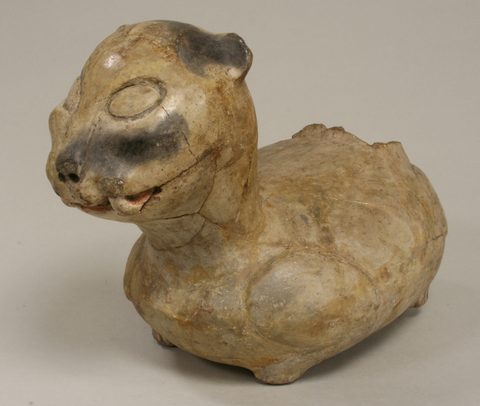
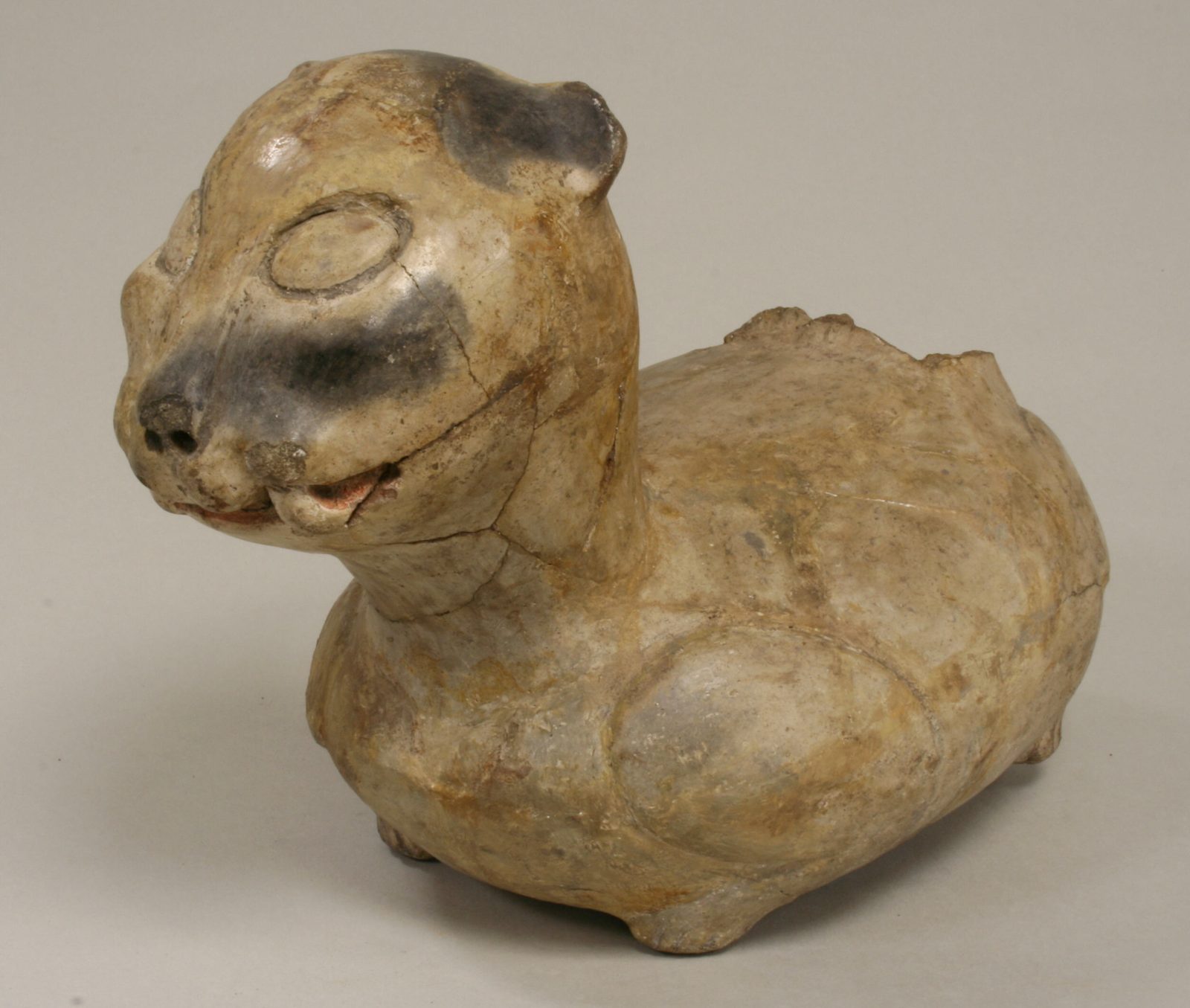
Cat Vessel
Unknown maker, Olmec (?)
10th century BCE
The MetCC0
This ceramic cat vessel dates to the 10th century BCE, and the museum lists its culture as Olmec with a question mark.
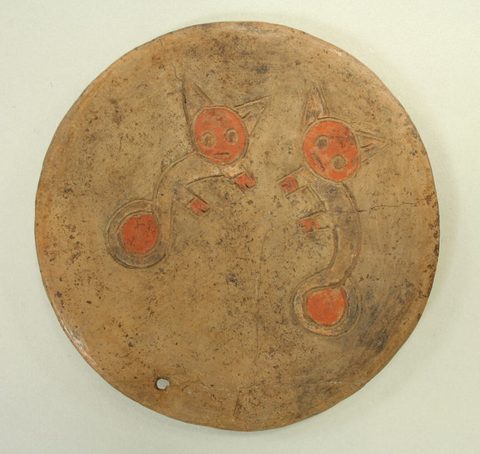
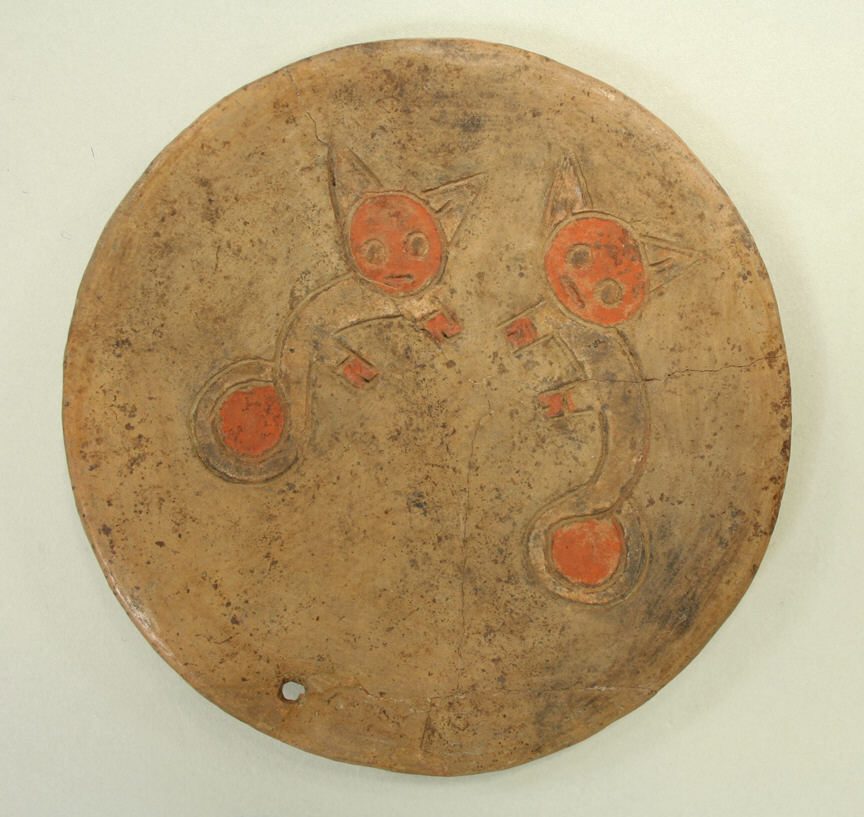
Dish Incised with Two Cats
Unknown maker, Paracas
3rd-2nd century BCE
The MetCC0
Paracas potters in Peru's Ica Valley scratched these two wide-eyed cats into a ceramic dish in the 3rd to 2nd century BCE.
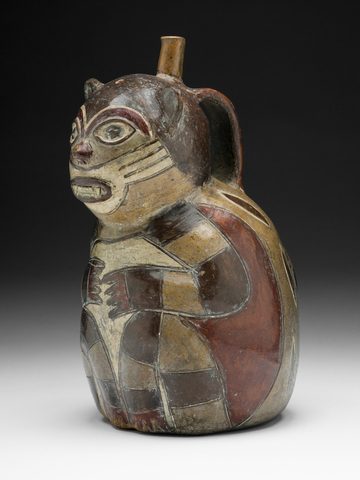
Vessel in the Form of a Pampas Cat
Nasca
180 BCE-500 CE
The Nasca made this painted vessel in the form of a pampas cat between 180 BCE and 500 CE.
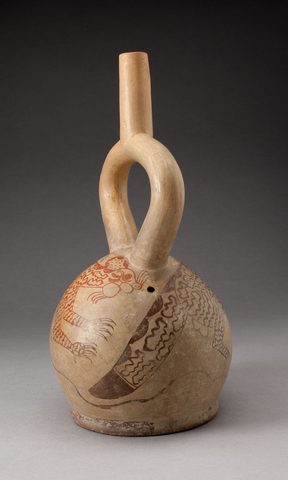
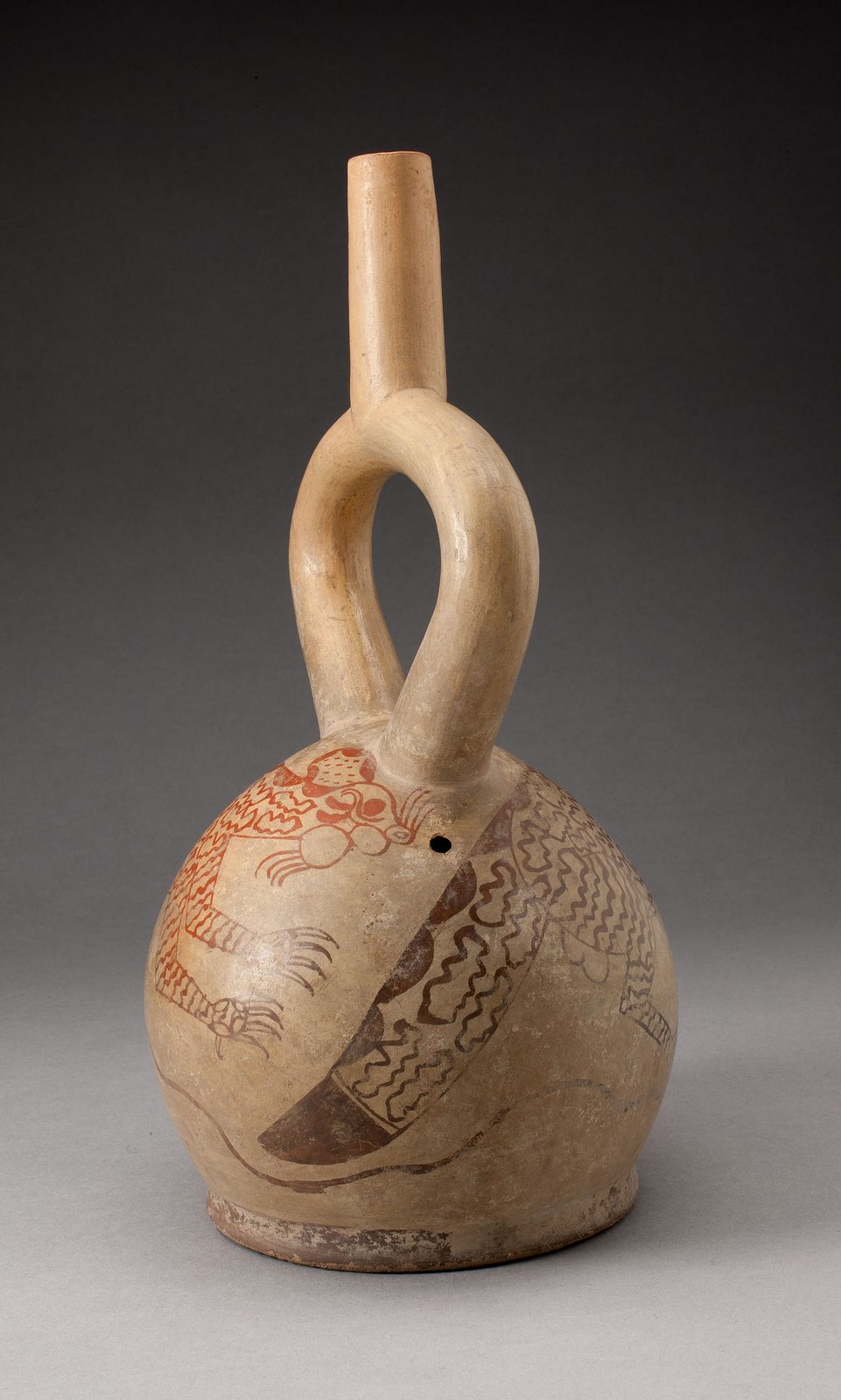
Stirrup Spout Vessel with Fineline Image of a Cat
Moche
100 BCE-500 CE
A Moche artist painted this fineline cat on a stirrup spout vessel sometime between 100 BCE and 500 CE, claws and whiskers included.
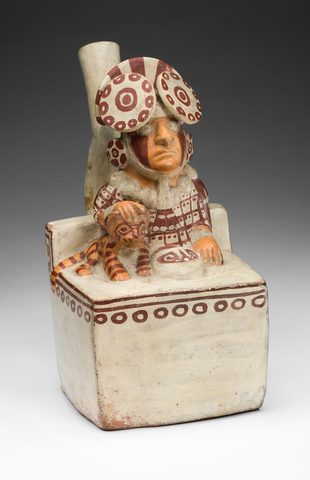
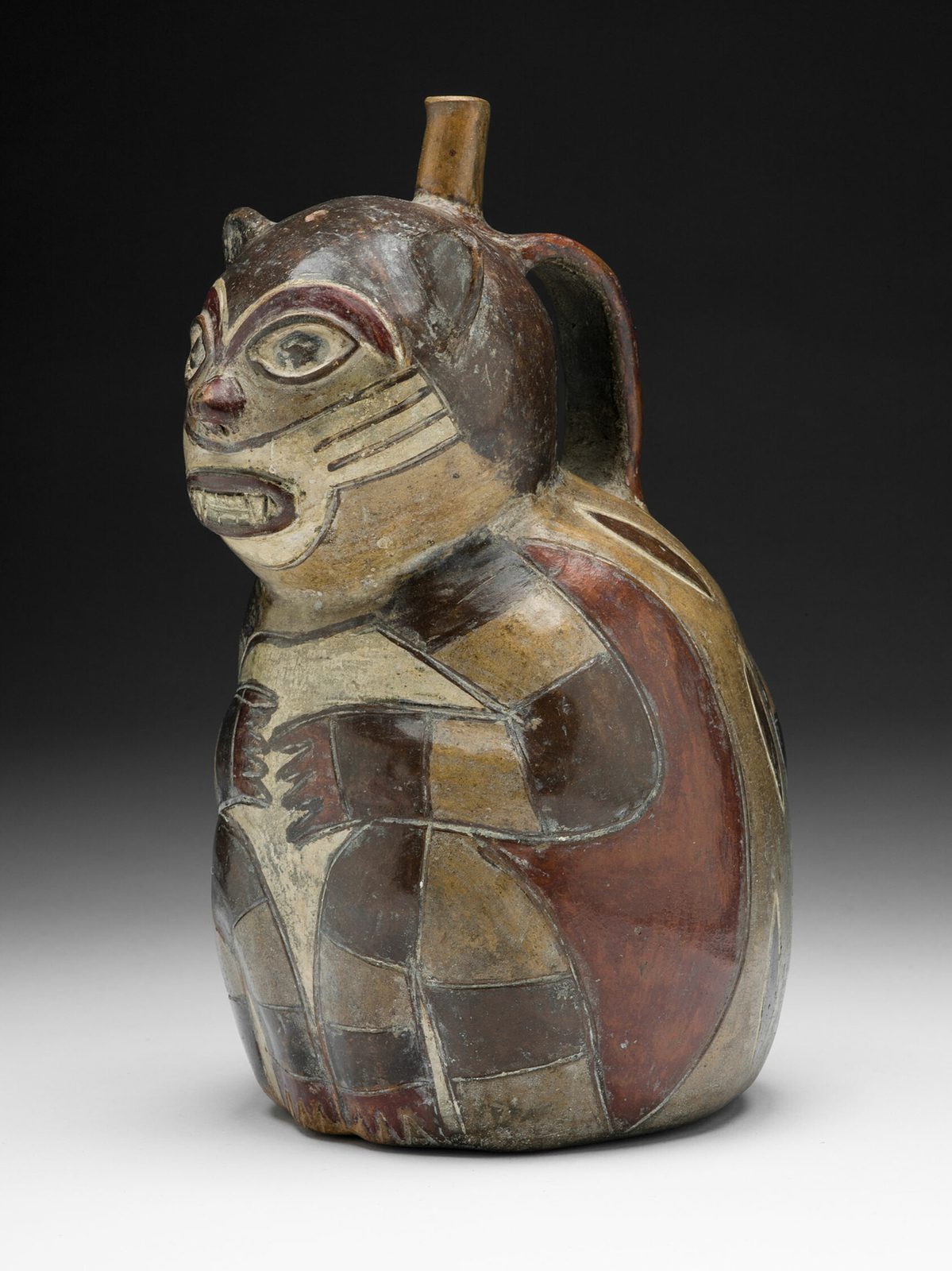
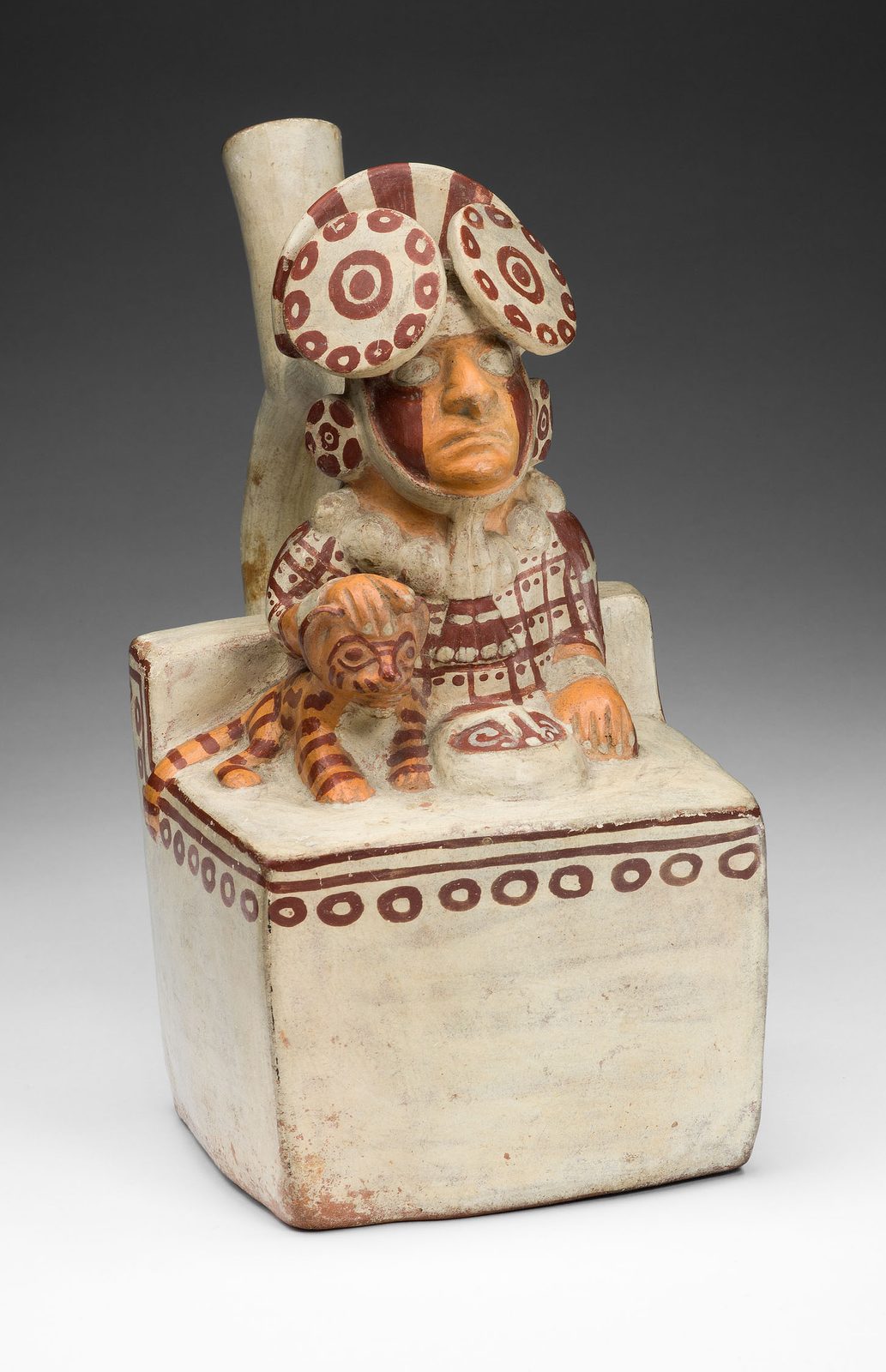
Vessel in the Form of a Seated Ruler with a Pampas Cat
Moche
250-550 CE
This Moche vessel from 250 to 550 CE shows a seated ruler with his striped pampas cat front and center.
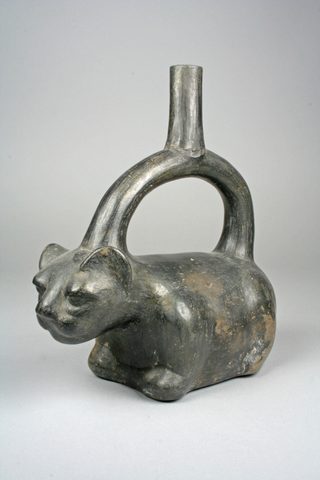
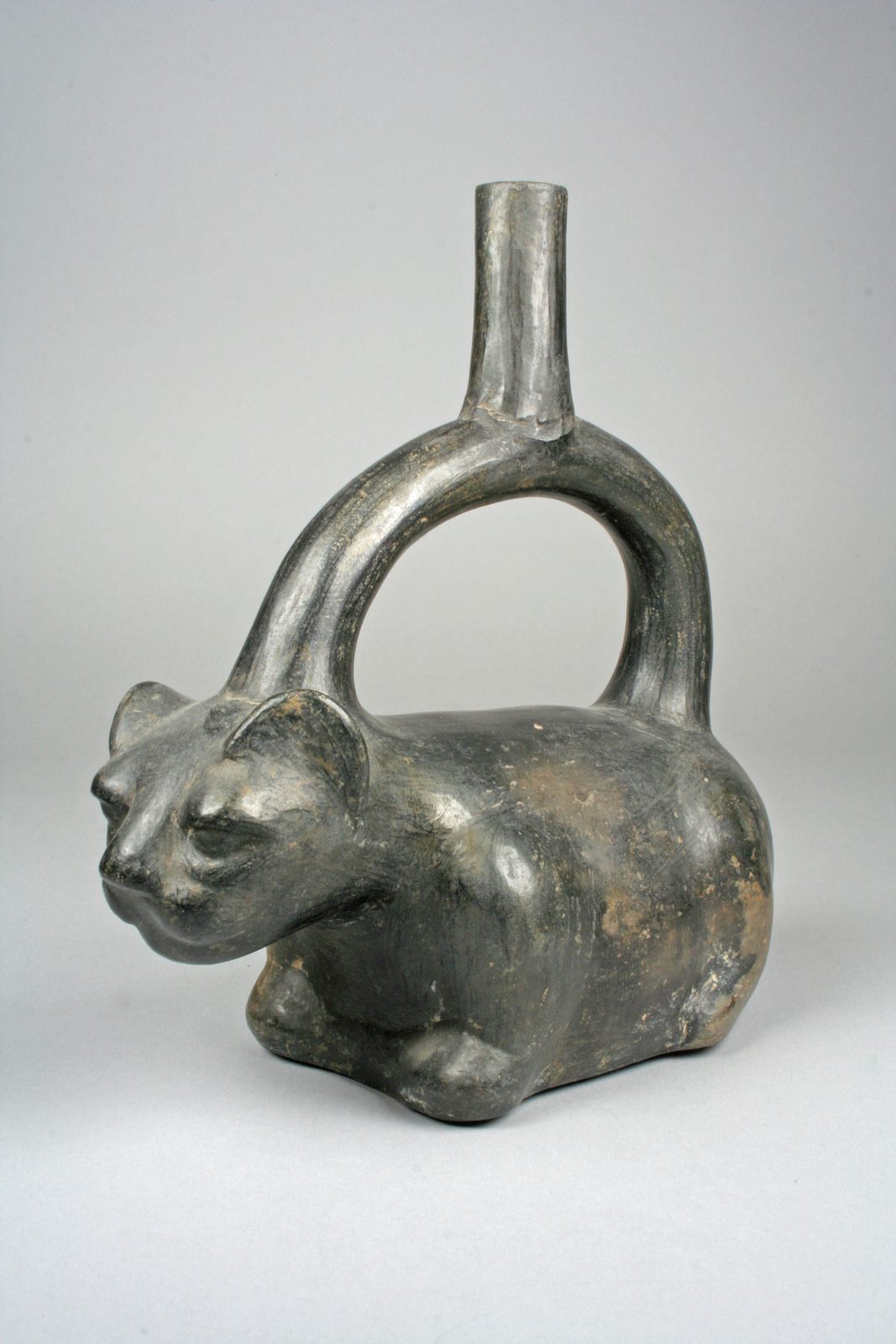
Stirrup Spout Bottle with Cat
Unknown maker, Moche
4th-7th century
The MetCC0
A Moche potter in Peru turned a crouching cat into a stirrup spout bottle sometime between the 4th and 7th centuries.
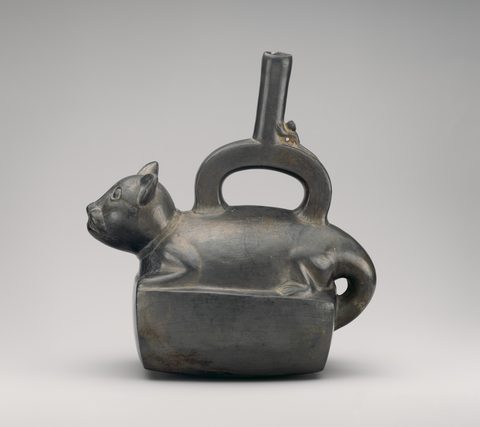
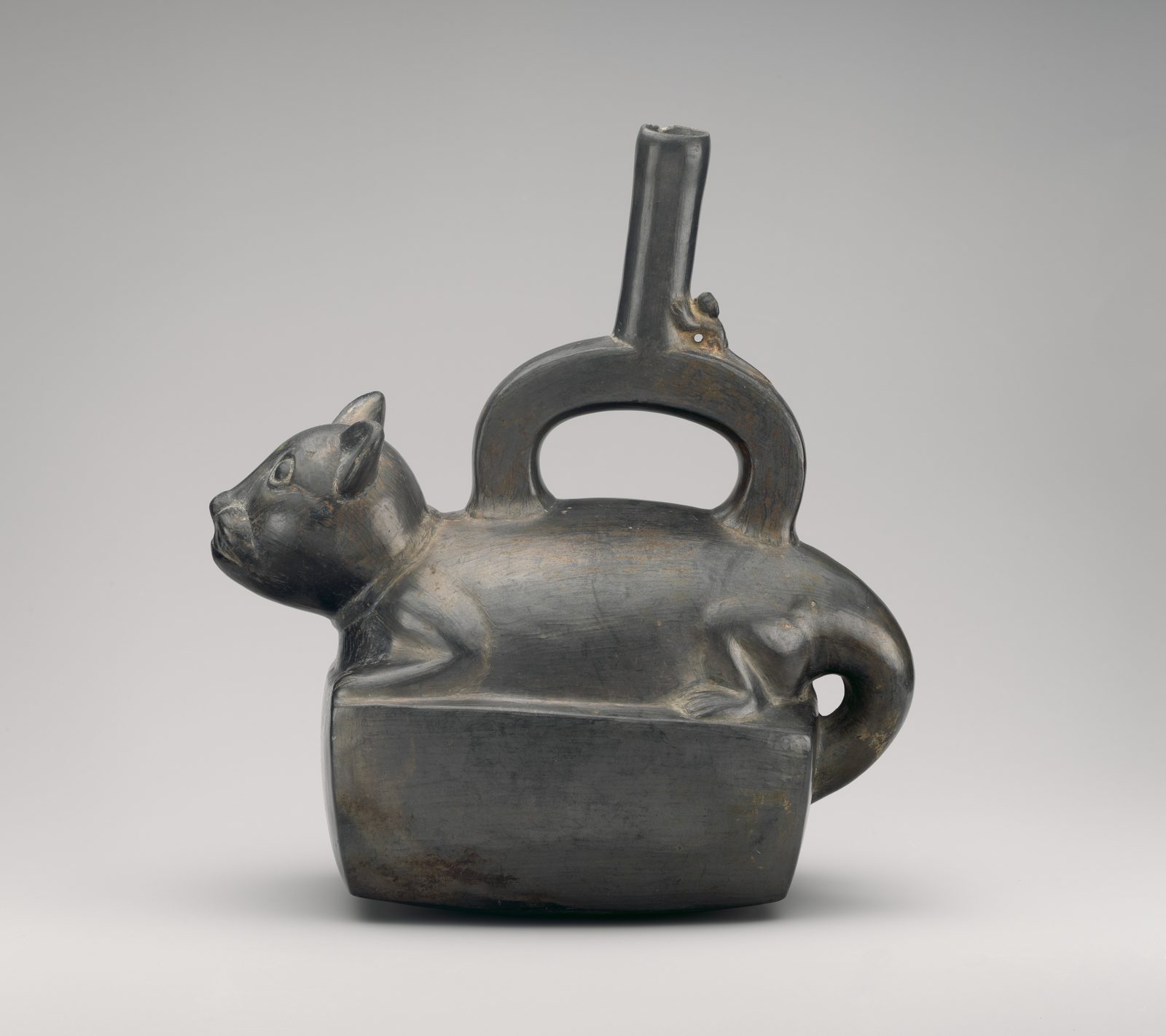
Stirrup-spout bottle with feline
Chimú artist(s)
1100-1470 CE
The MetCC0
Chimú artists shaped this ceramic stirrup-spout bottle with a feline stretched along the top, sometime between 1100 and 1470 CE.
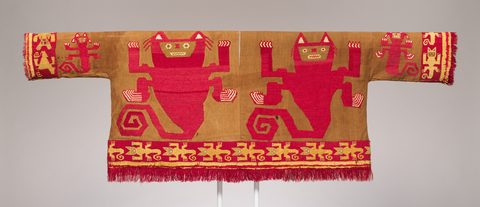
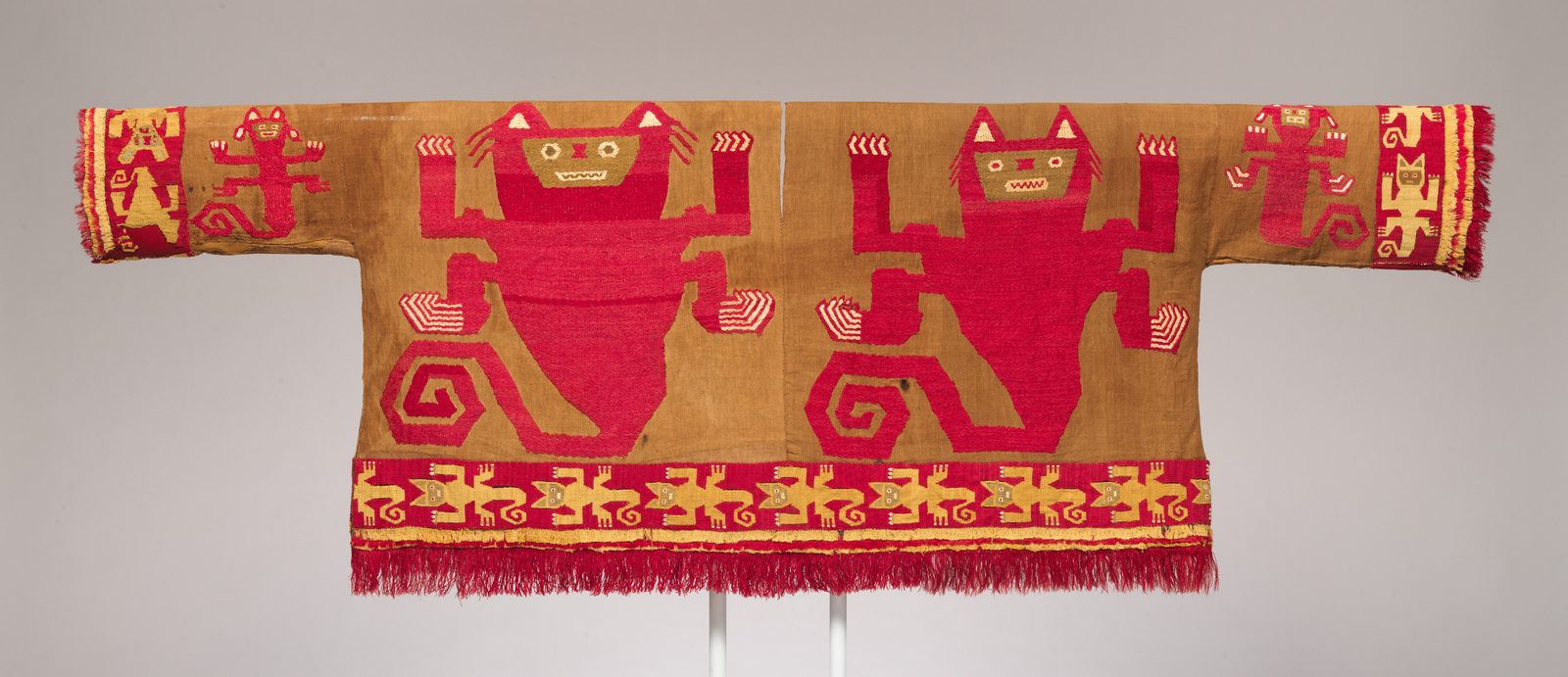
Tunic with Felines
Unknown maker, Chimú
1450-1550
The MetCC0
Chimú weavers in Peru made this cotton and camelid hair tunic between 1450 and 1550, and its big red felines steal the show.
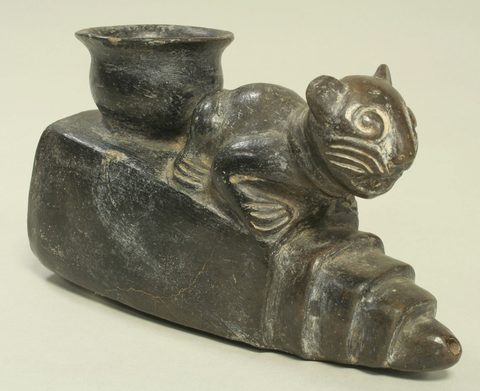
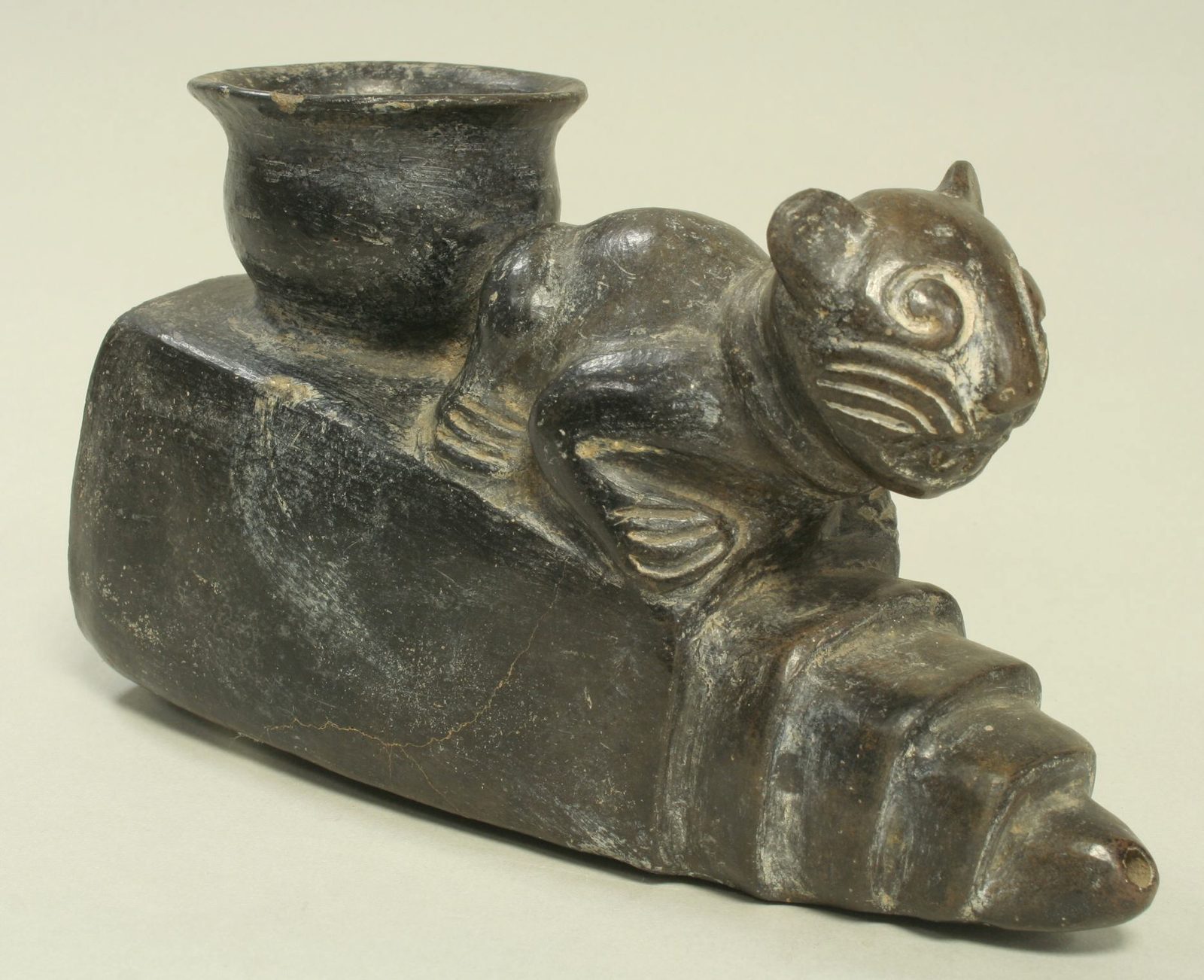
Blackware Paccha with Feline
Unknown maker, Inca
15th-early 16th century
The MetCC0
An Inca potter of the 15th or early 16th century gave this blackware paccha a crouching feline that looks ready to pounce.
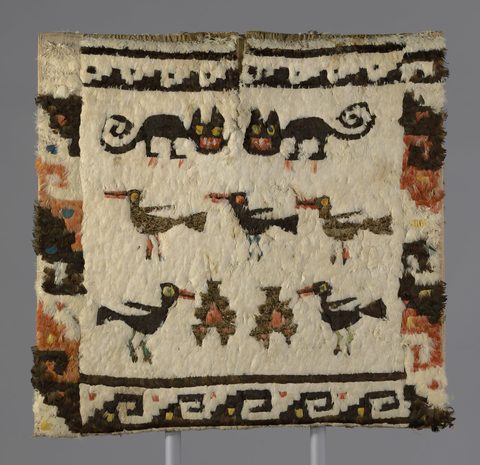
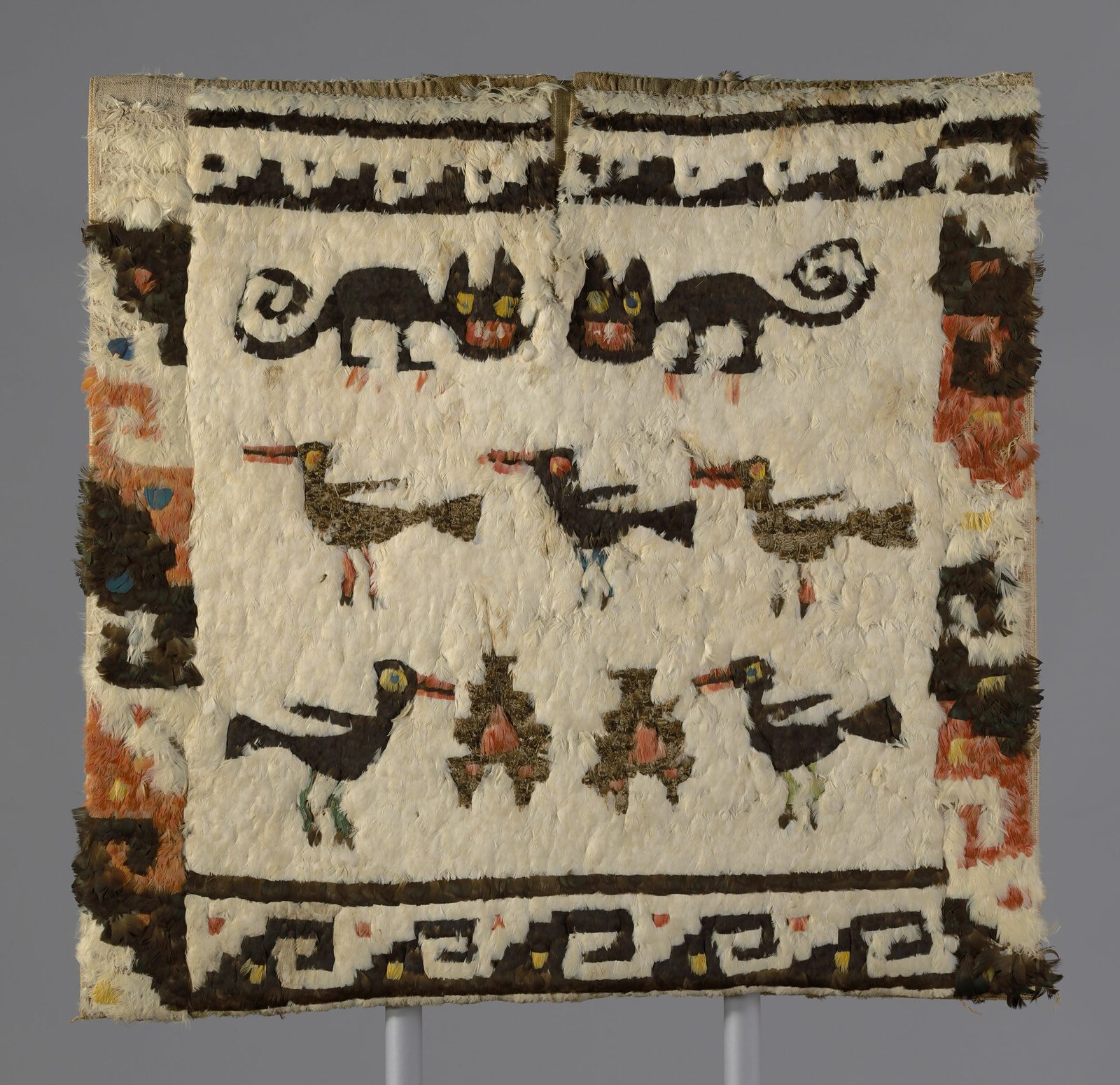
Feathered Tabard (Open-sided Tunic)
Chimú
1470-1532
Chimú makers attached feathers to cotton between 1470 and 1532 for this tunic, and two curly-tailed cats lead the parade of birds.
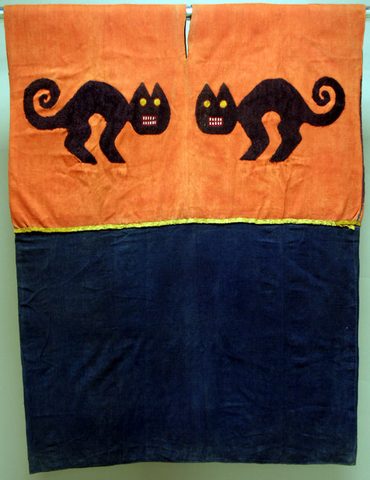
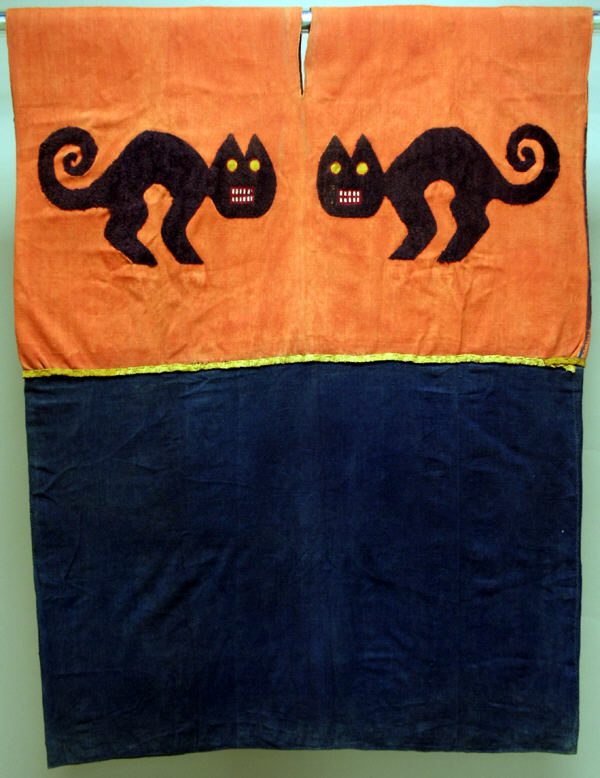
Sleeveless Tunic
Unknown maker, Inca
15th-early 17th century
The MetCC0
Two arched black cats with yellow eyes face off across the top of this Inca tunic of cotton and camelid hair, made between the 15th and early 17th centuries.
Portraits and paintings
Paintings from 1790 to the late 1800s: folk portraits of girls holding or playing with their cats, Bingham's fur traders with a cat at the prow, a Winslow Homer watercolor and two paintings in which the cats are the subject.
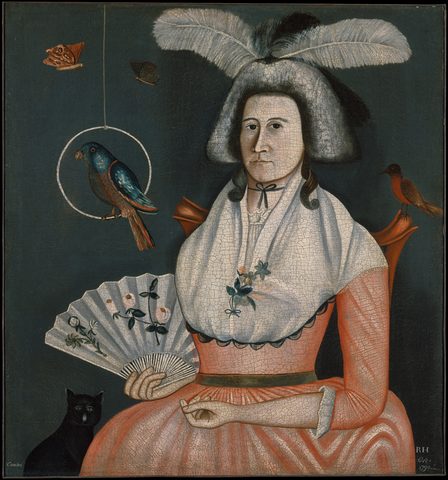
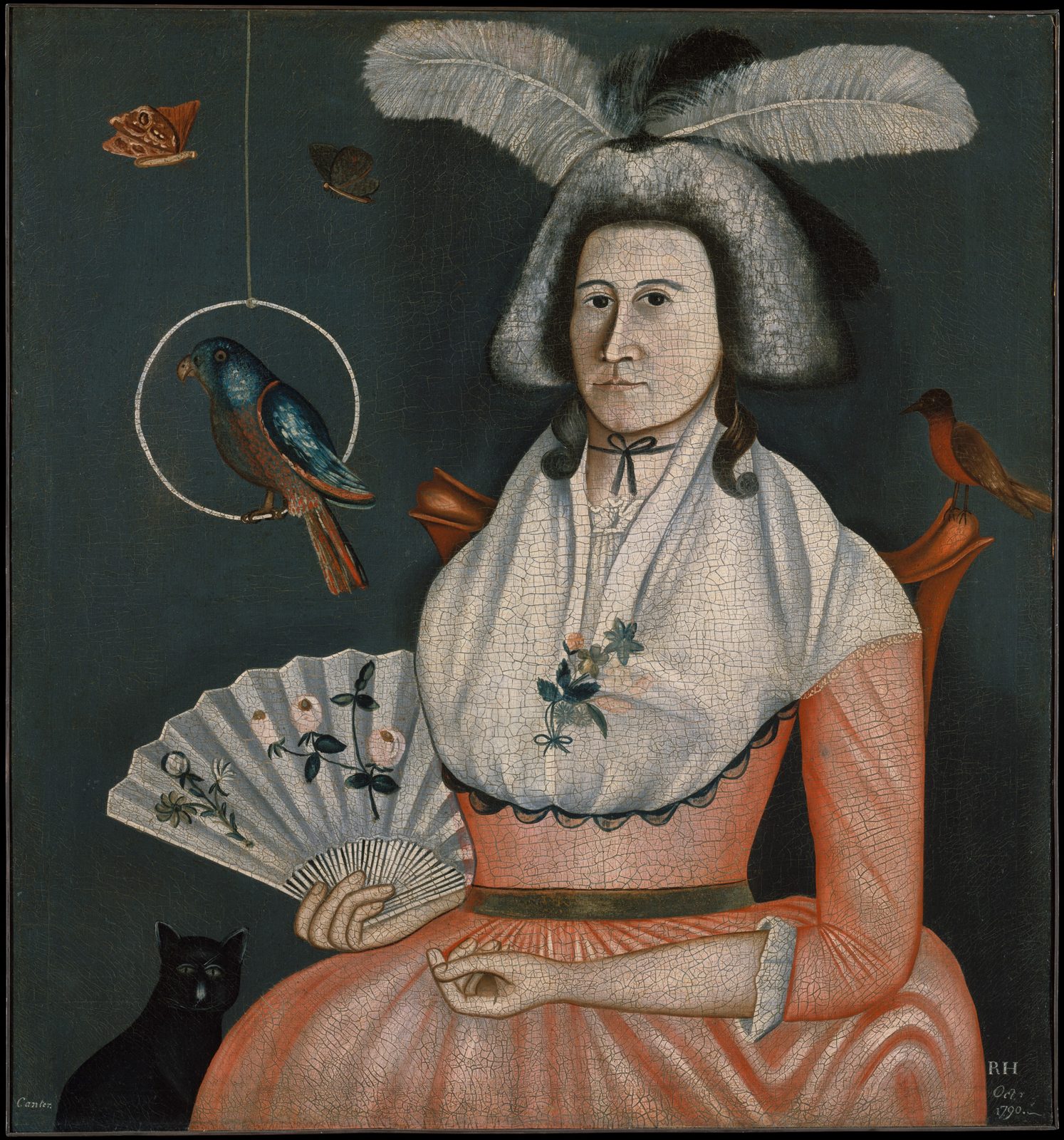
Molly Wales Fobes
Rufus Hathaway
1790
The MetCC0
Rufus Hathaway painted Molly Wales Fobes in 1790 with a parrot, butterflies and a bright-eyed black cat tucked into the corner.
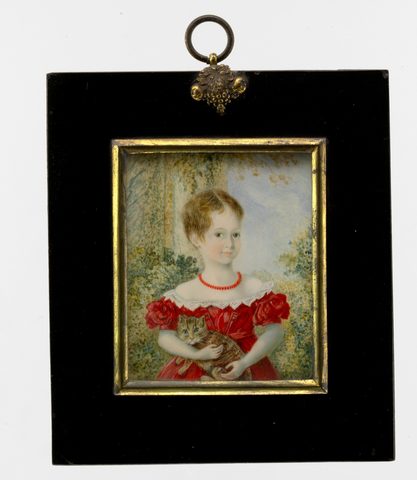
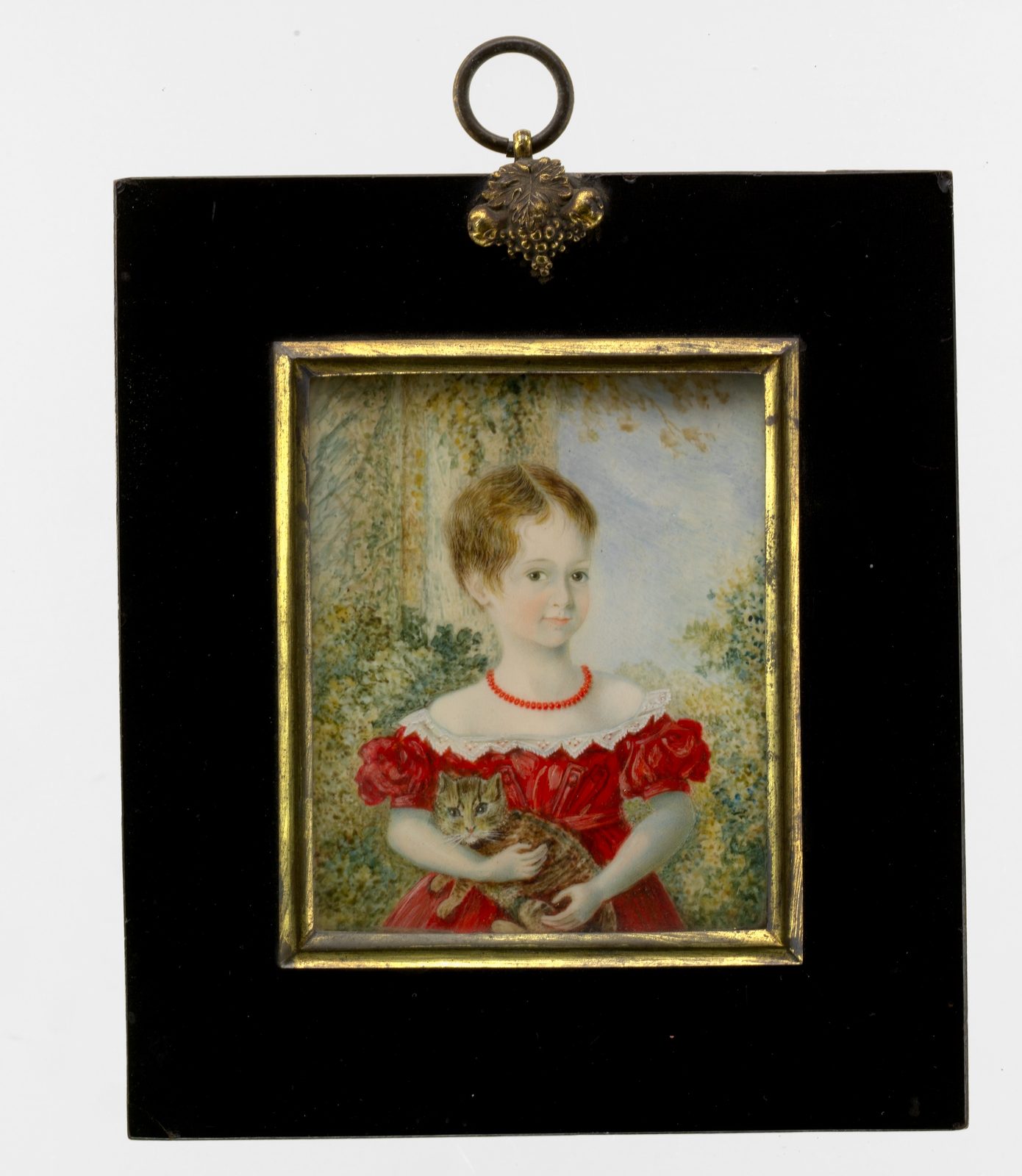
Mrs. Edward Loyd (C. Louisa Foster)
Mrs. Dove
ca. 1835
The MetCC0
Painted in watercolor on ivory around 1835 by an artist recorded only as Mrs. Dove, this tiny portrait still made room for a tabby.
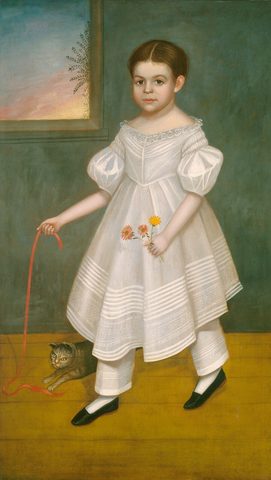
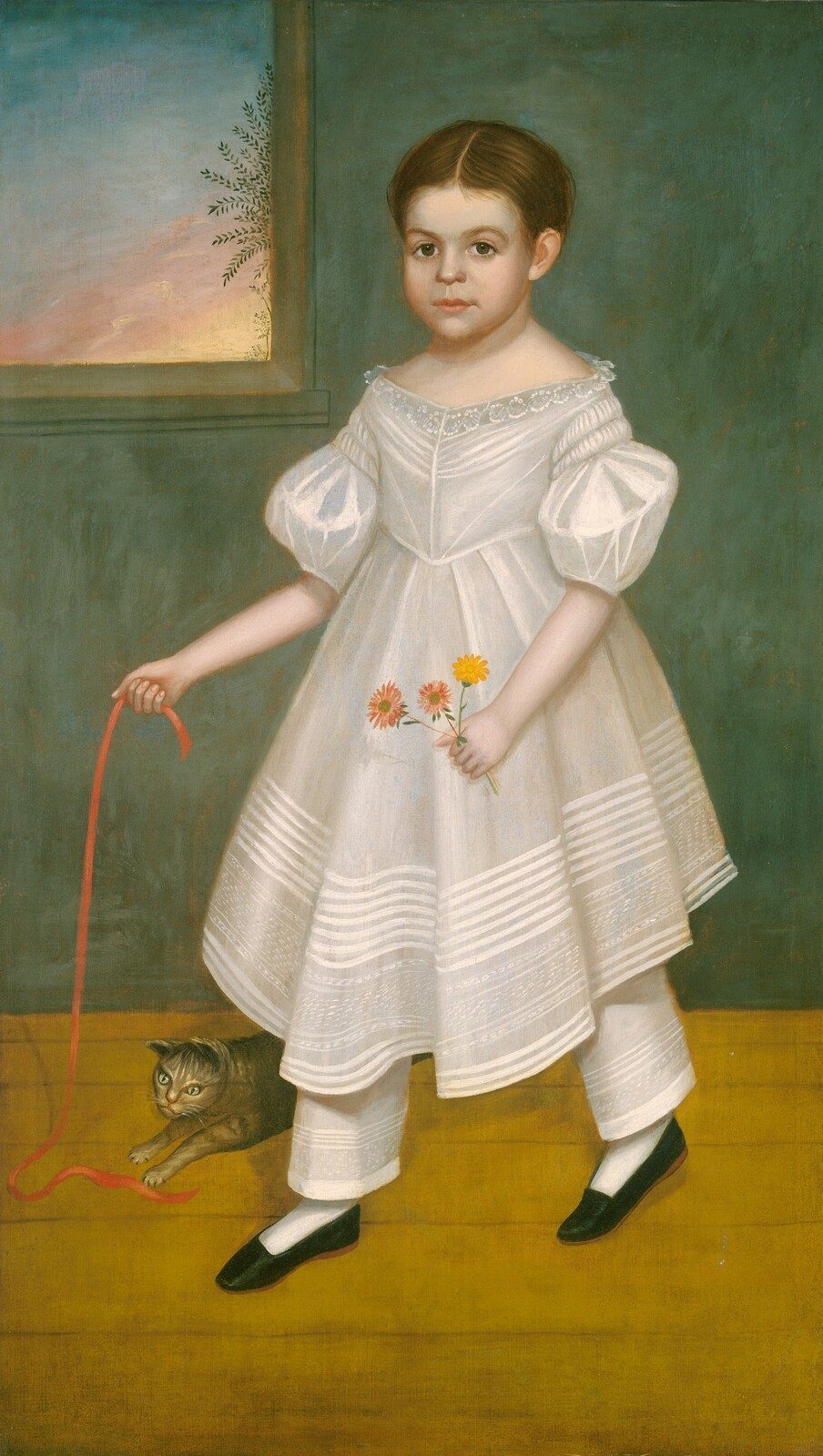
Girl with Kitten
Joseph Goodhue Chandler
c. 1836/1838
National Gallery of ArtPublic domain
Joseph Goodhue Chandler painted this girl around 1836 to 1838, and her kitten only has eyes for the red ribbon.
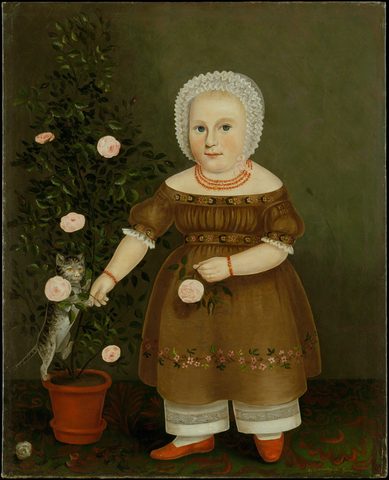
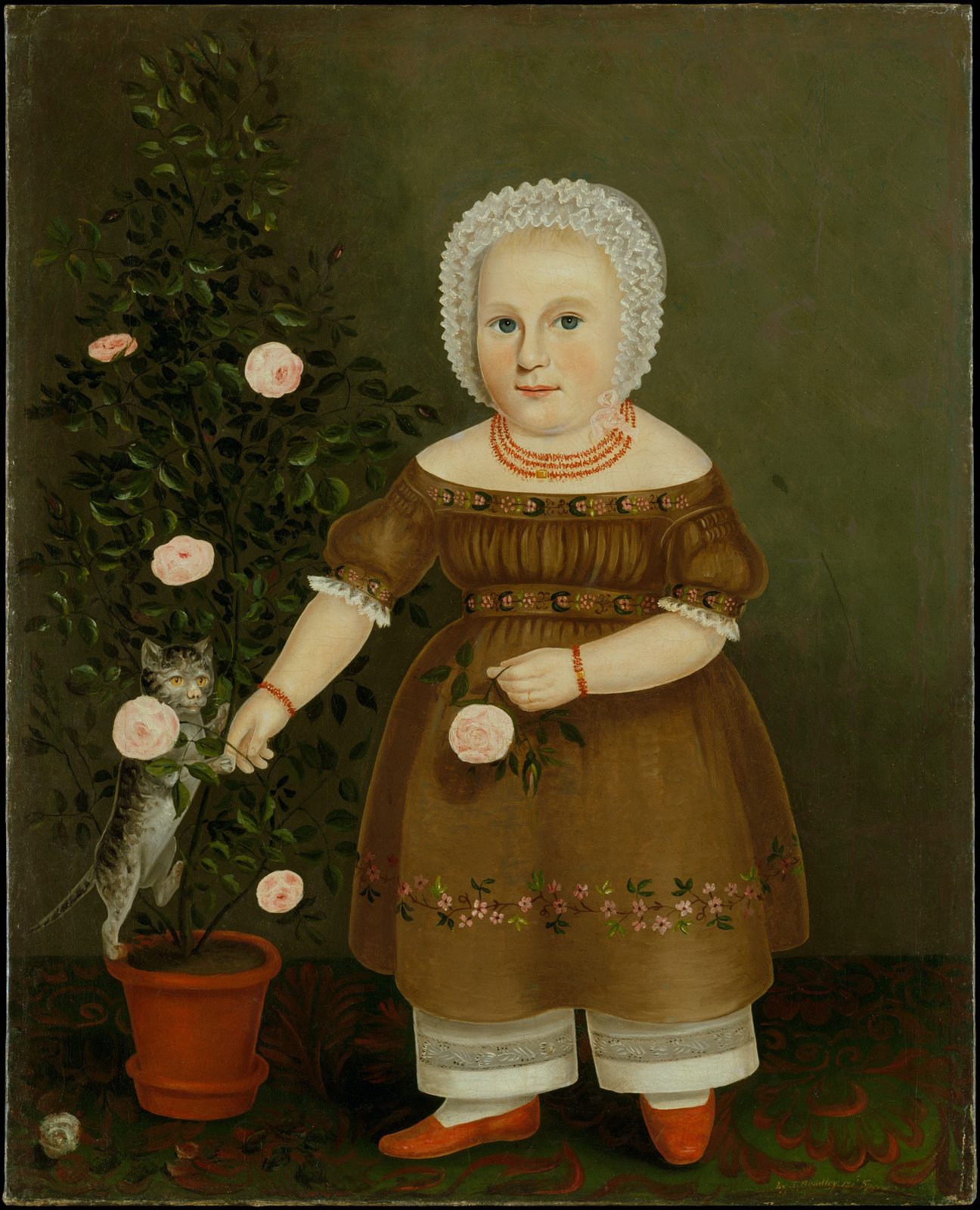
Emma Homan
John Bradley
ca. 1844
The MetCC0
John Bradley painted little Emma Homan around 1844, but the real scene stealer is the cat scaling the rose bush.
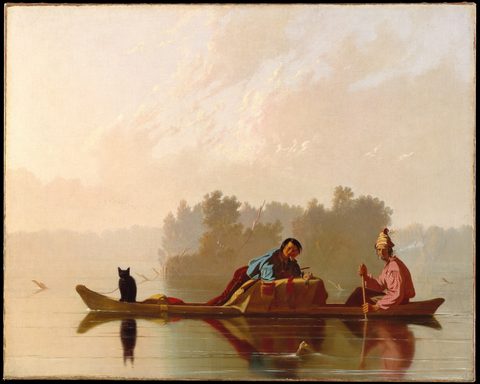
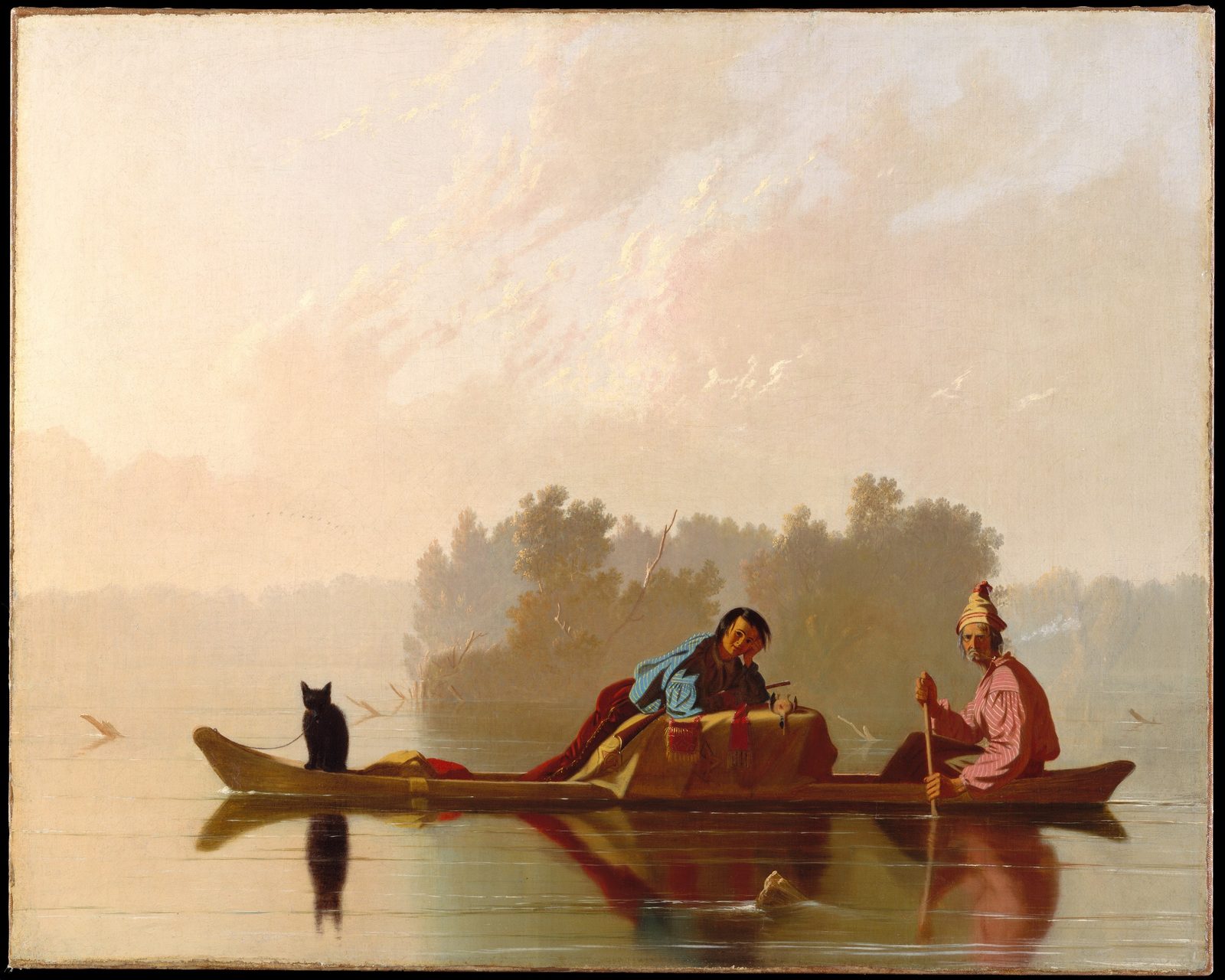
Fur Traders Descending the Missouri
George Caleb Bingham
1845
The MetCC0
Painted in oil in 1845, George Caleb Bingham's misty river trip gives its smallest passenger the best seat at the prow.
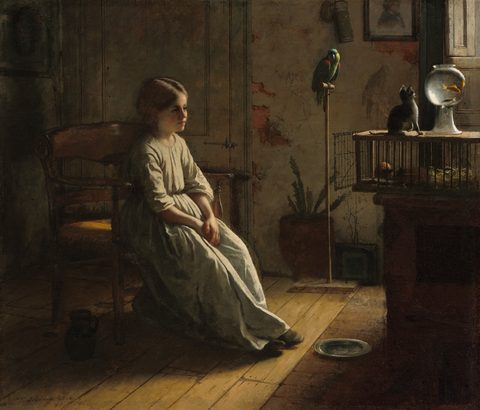
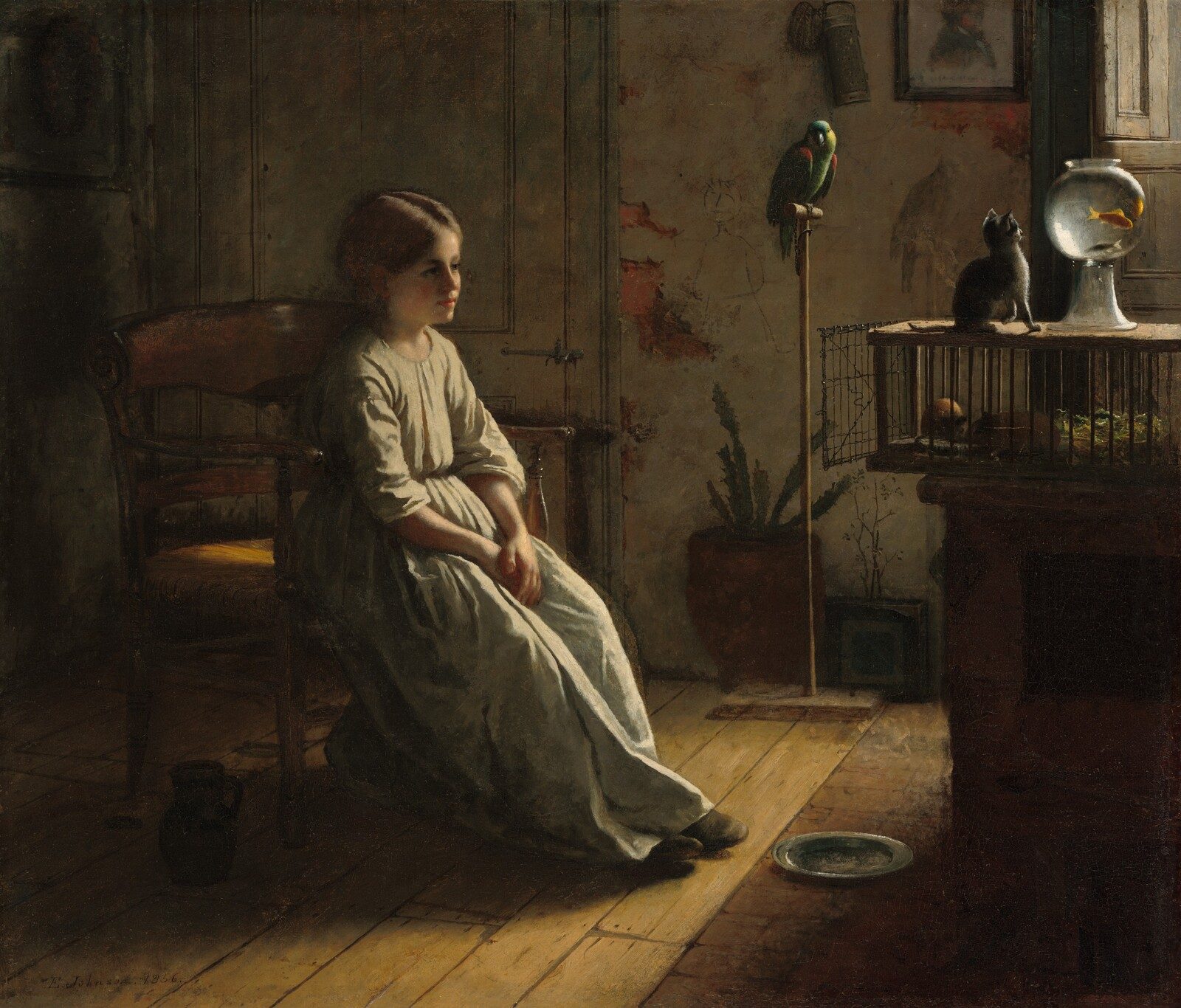
The Pets
Eastman Johnson
1856
National Gallery of ArtPublic domain
Eastman Johnson painted The Pets in 1856, and the kitten on the birdcage seems far more interested in the goldfish.
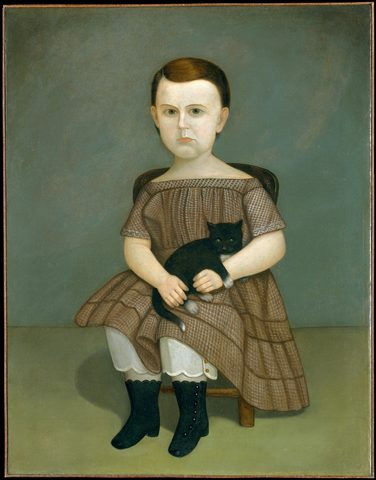
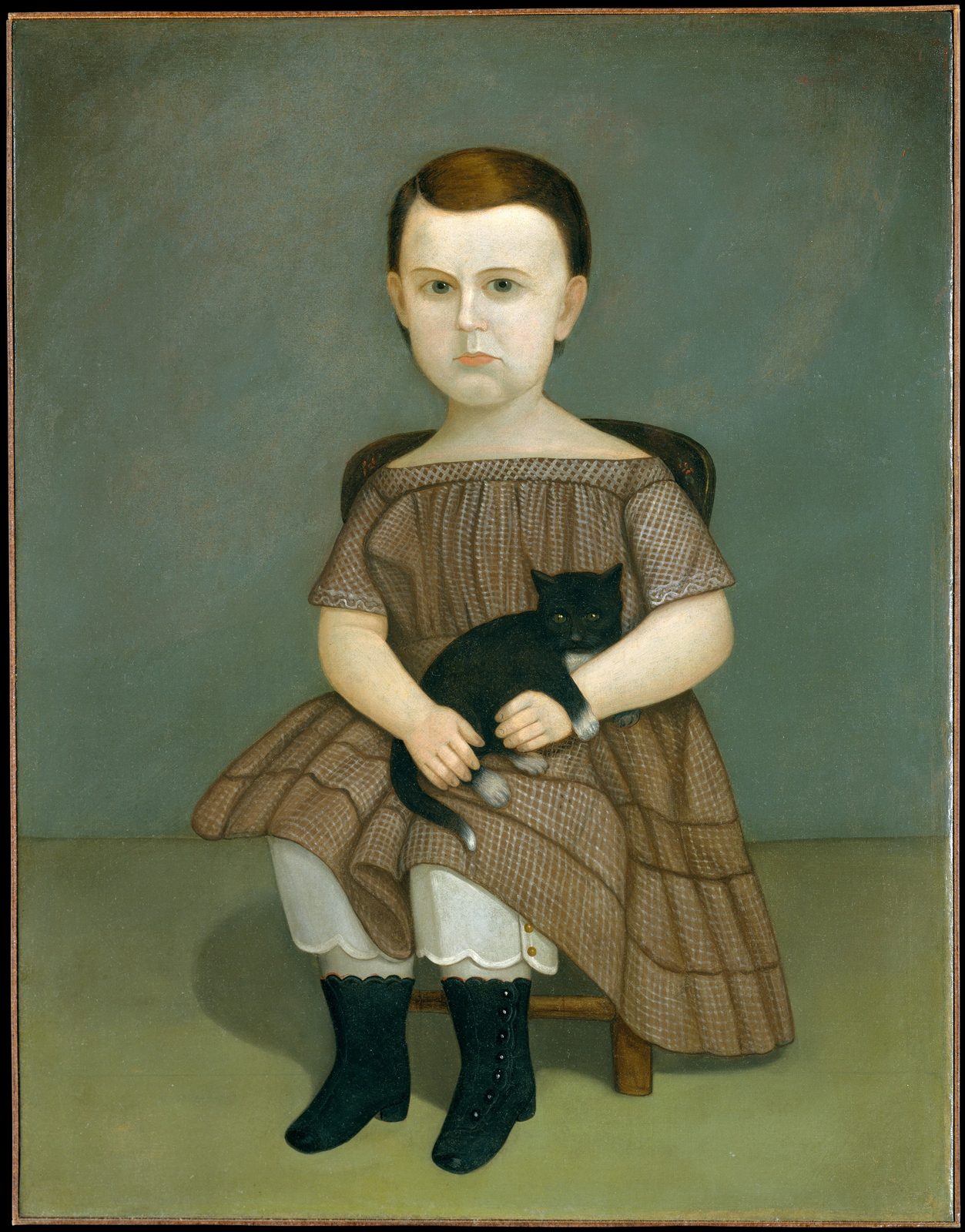
Martha Bartlett with Kitten
Unknown maker, American
ca. 1860
The MetCC0
Martha Bartlett holds a black kitten tight in this American oil portrait from about 1860.
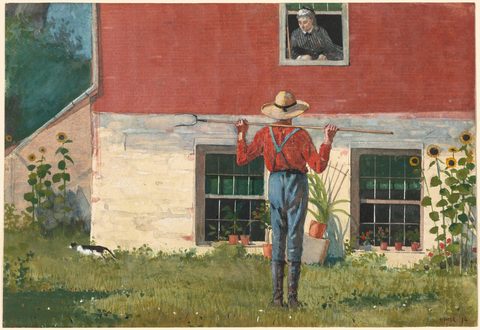
In the Garden (Rustic Courtship)
Winslow Homer
1874
National Gallery of ArtPublic domain
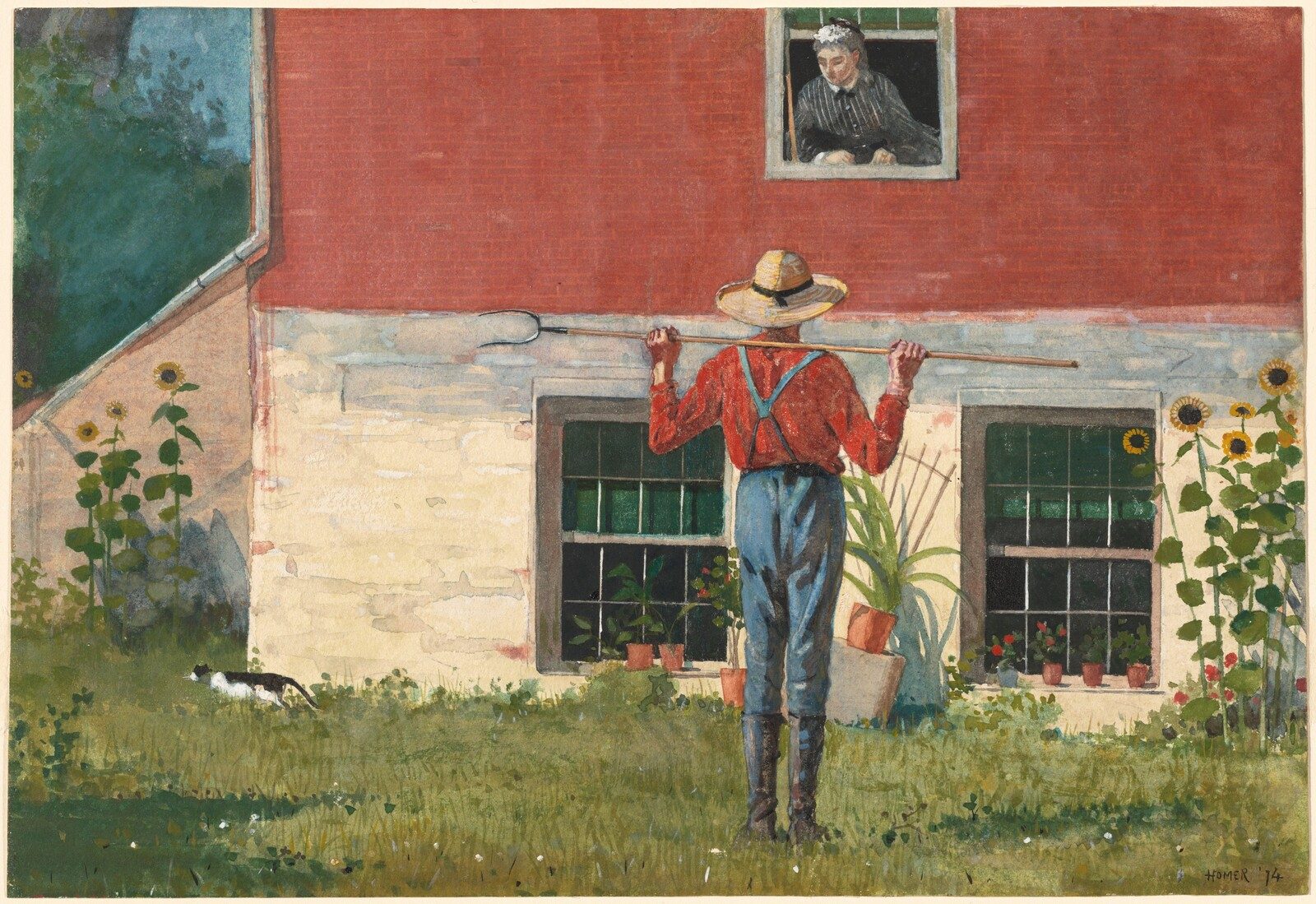
Winslow Homer painted this rustic courtship in 1874 in watercolor and gouache, and a black and white cat strolls through the grass.
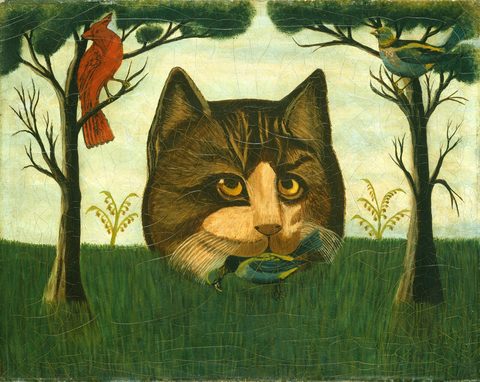
The Cat
American 19th Century
probably second half 19th century
National Gallery of ArtPublic domain
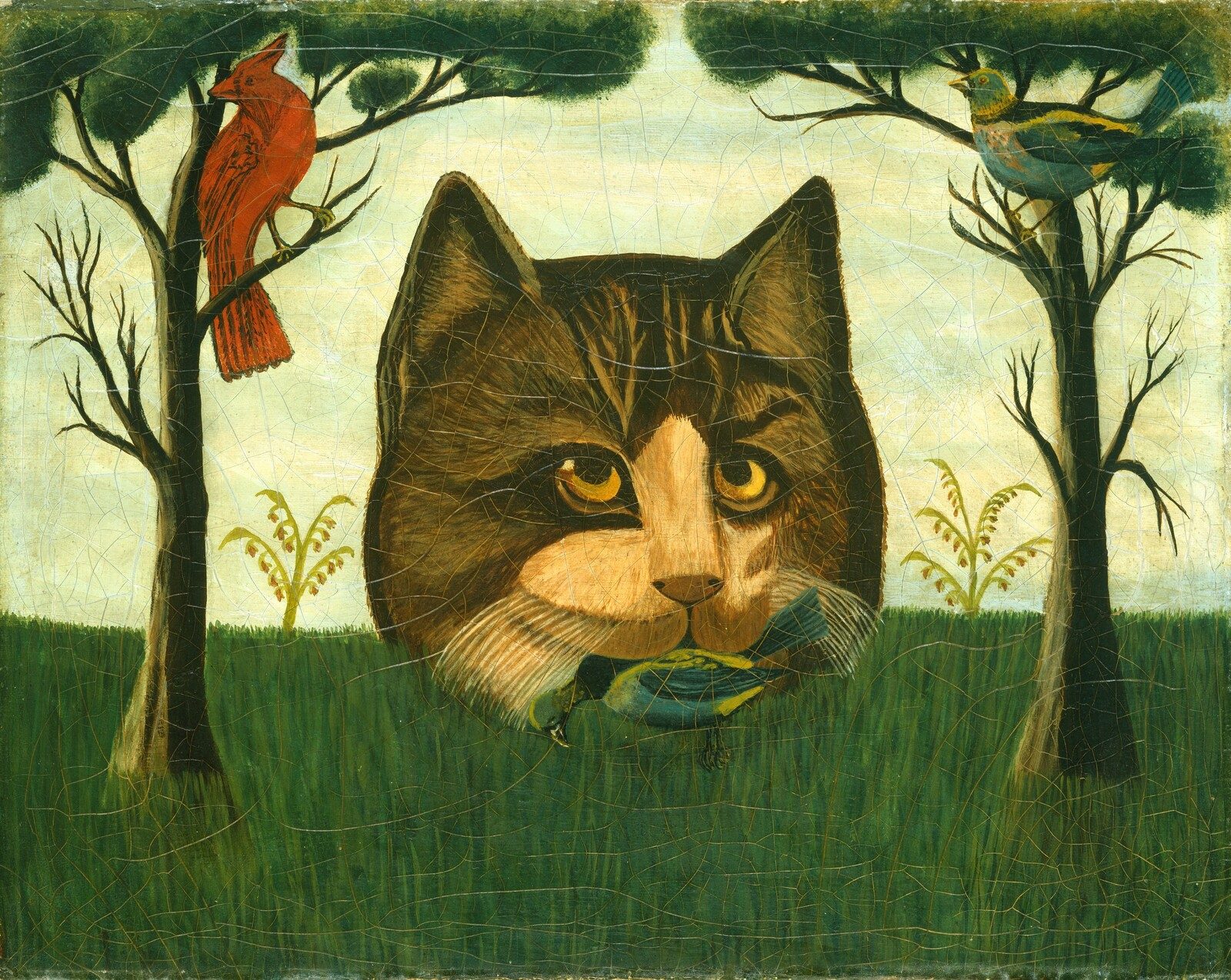
An American painter of the 19th century made this cat as big as the trees, with a bird in its mouth and two more birds keeping their distance.
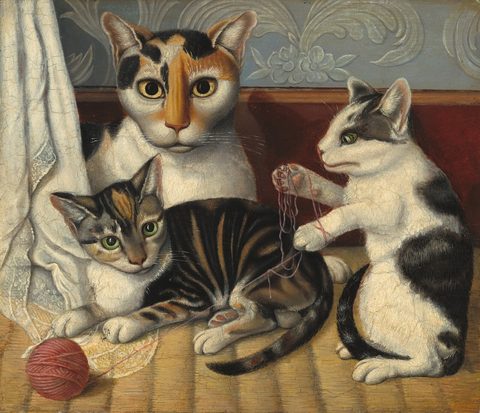
Cat and Kittens
American 19th Century
c. 1872/1883
National Gallery of ArtPublic domain
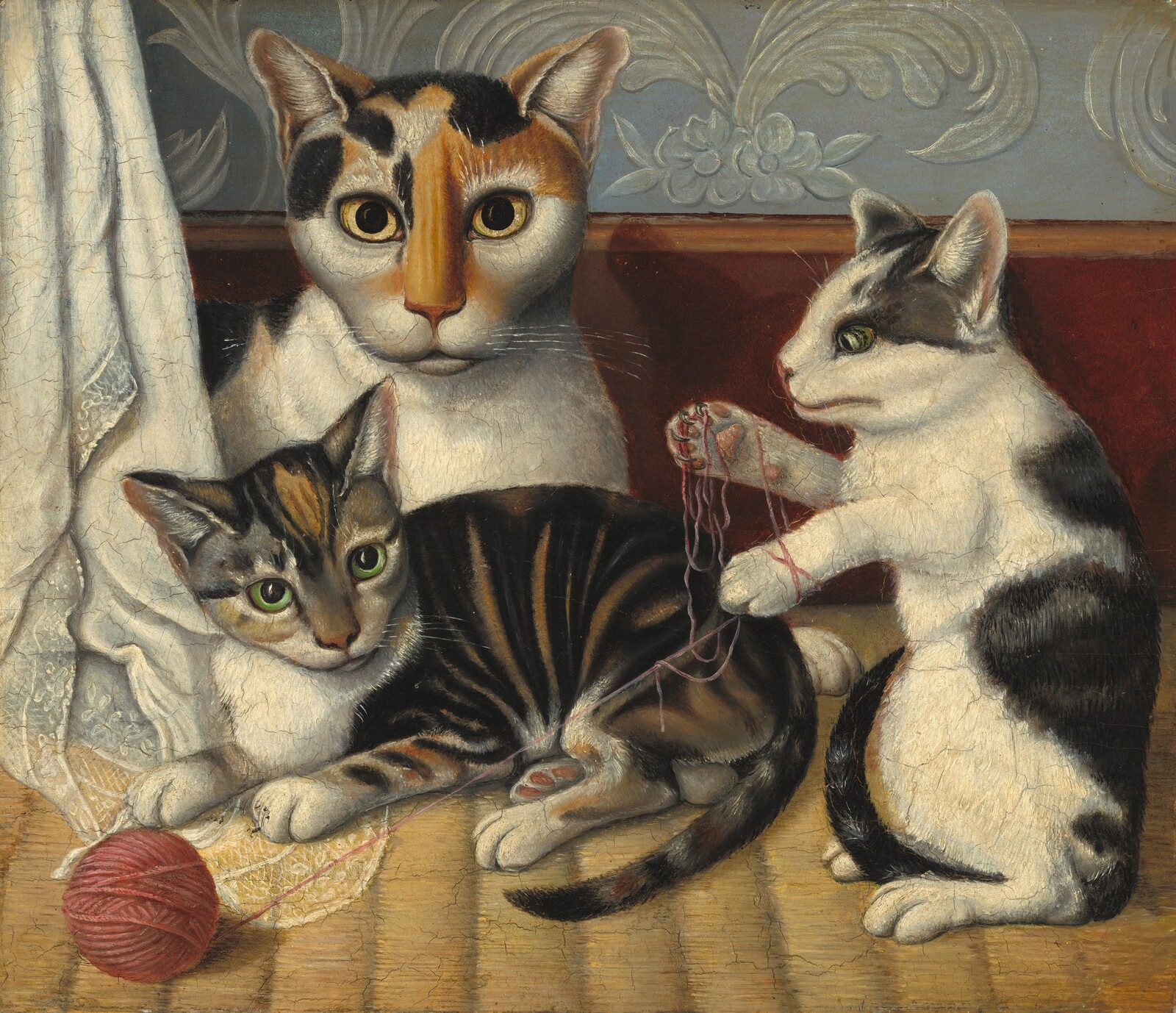
An American painter of the 1870s or 1880s gave this calico mom a stare that keeps watch over all the yarn mischief.
Early photographs
Daguerreotypes, an ambrotype, a cabinet card and a cigarette card, a platinum print by Thomas Eakins and two plates from Eadweard Muybridge's studies of a cat in motion.
"Charles Aaron and His Cat"
American 19th Century
c. 1848
National Gallery of ArtPublic domain
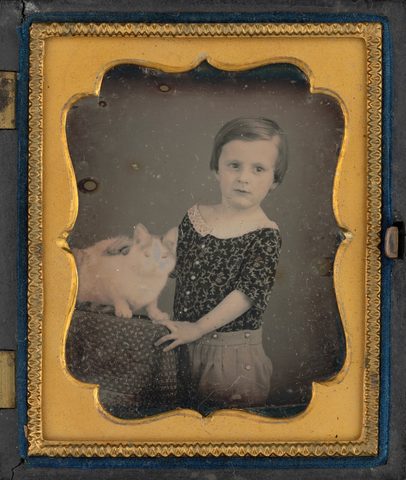
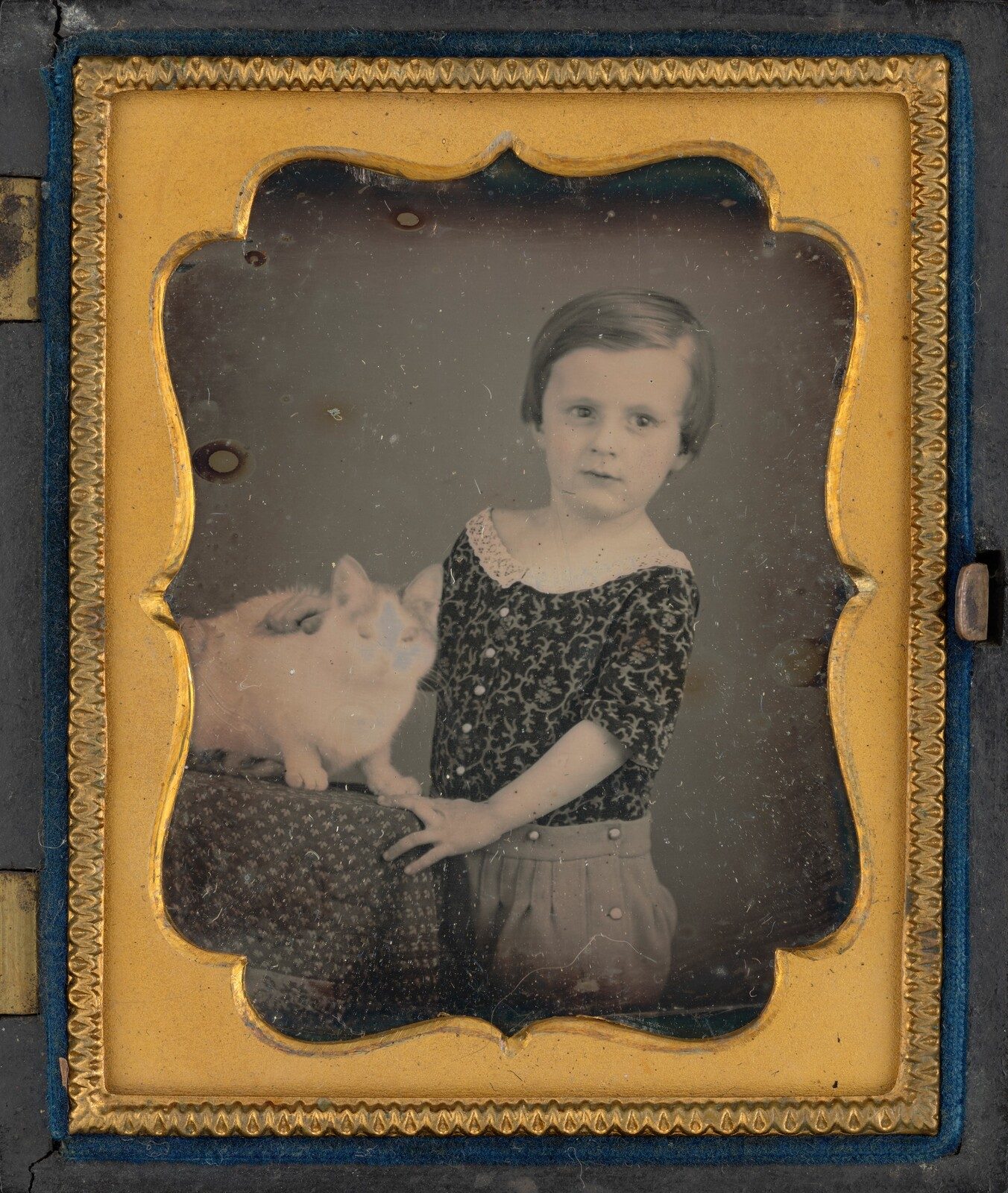
Around 1848 Charles Aaron and his fluffy cat sat together for this American daguerreotype.
Portrait of a Sleeping Cat
American 19th Century
1850s
National Gallery of ArtPublic domain
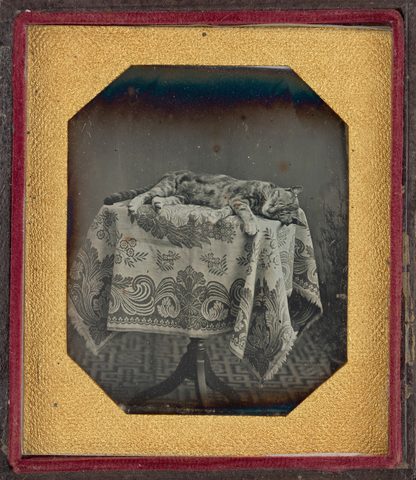
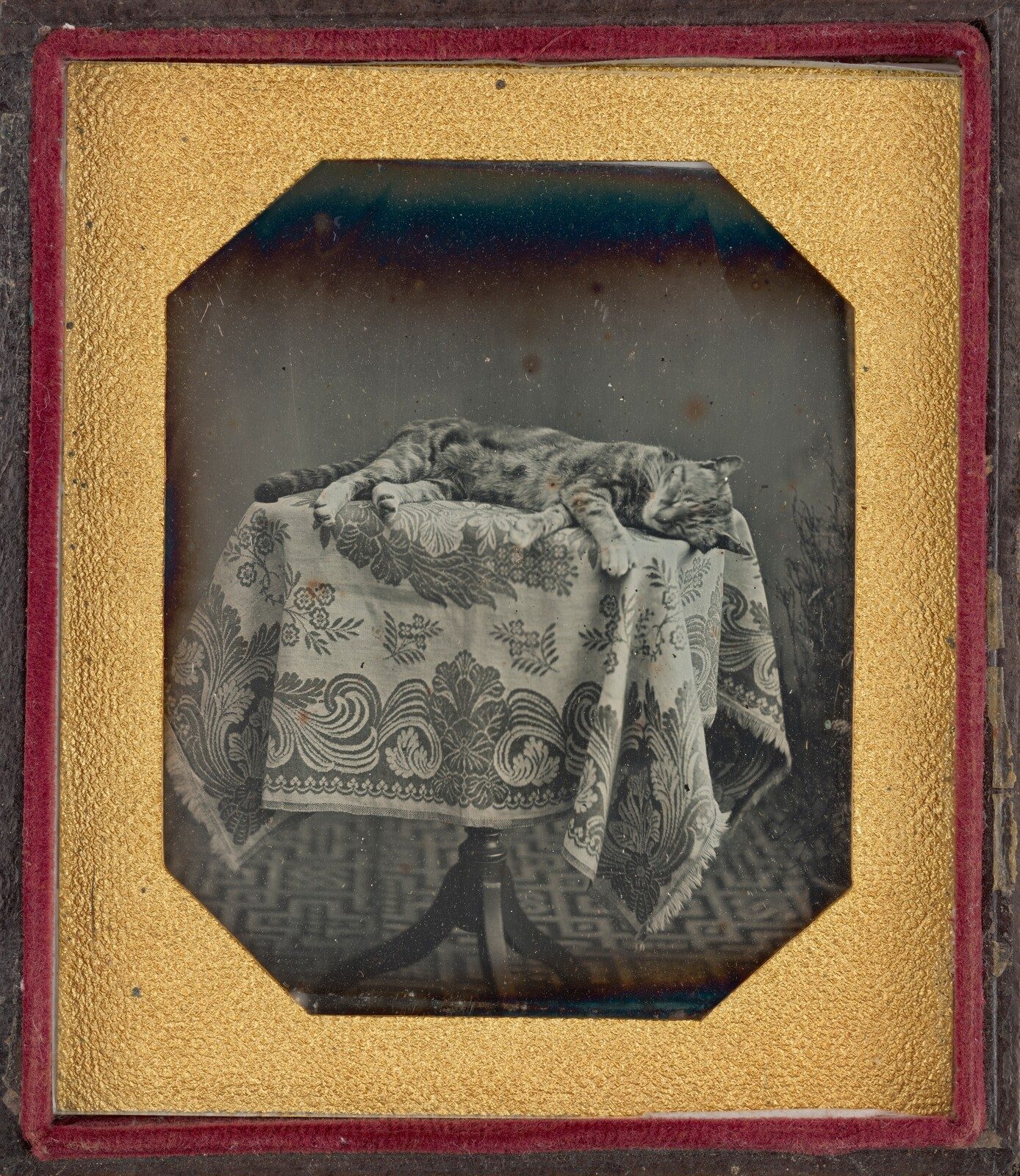
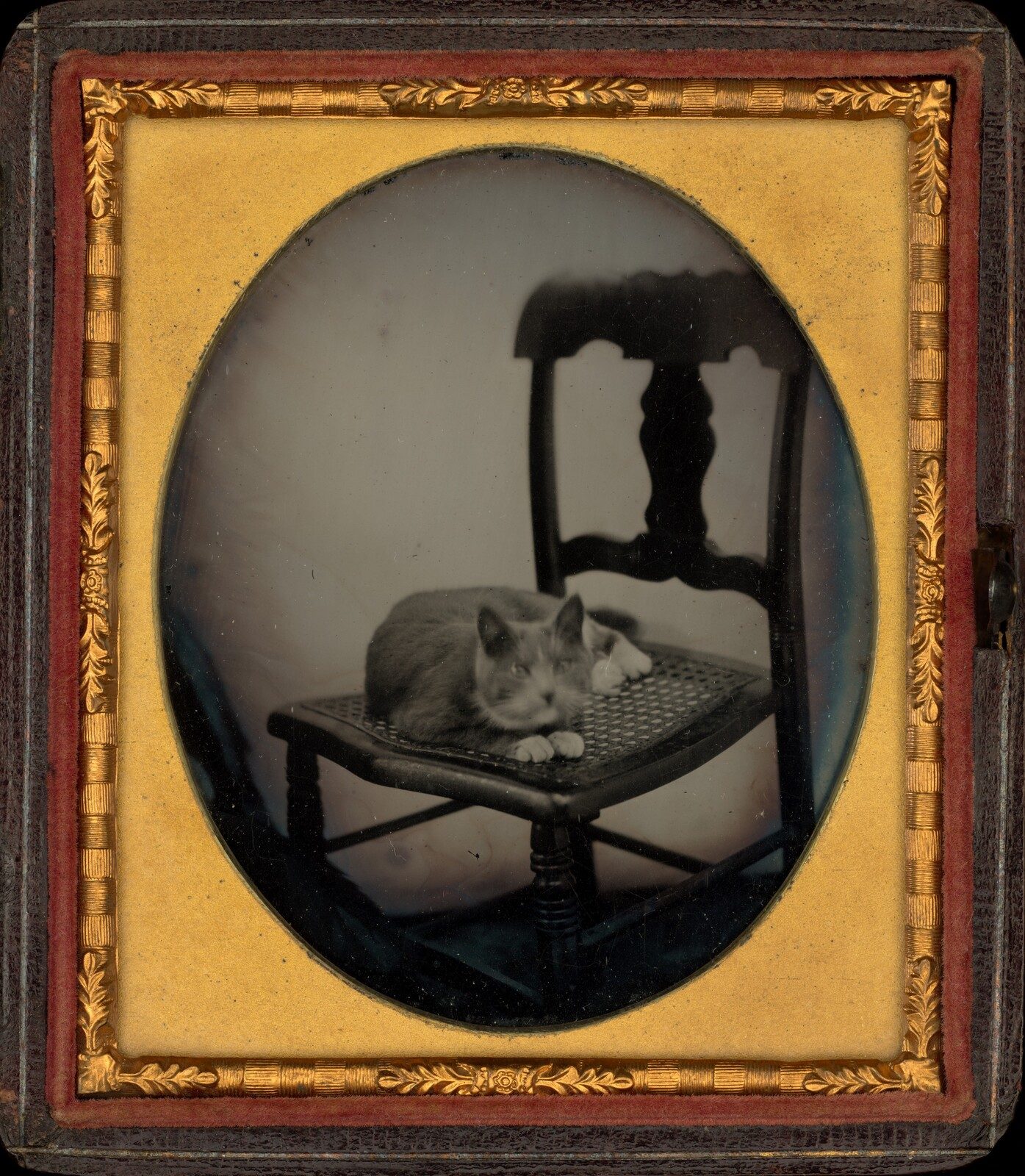
This 1850s daguerreotype is a true cat portrait: the sitter slept right through it.
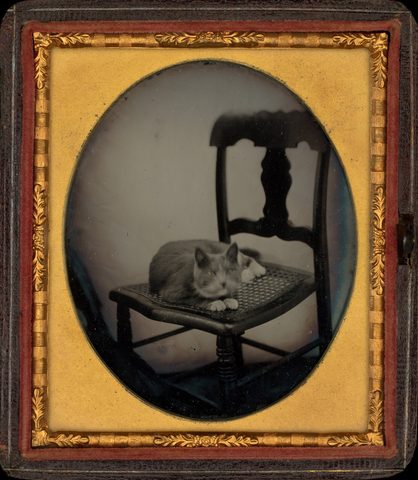
Portrait of a Cat
Glenalvin Goodridge
c. 1858
National Gallery of ArtPublic domain
Glenalvin Goodridge made this ambrotype portrait around 1858, giving one cat a whole chair and a gold frame.
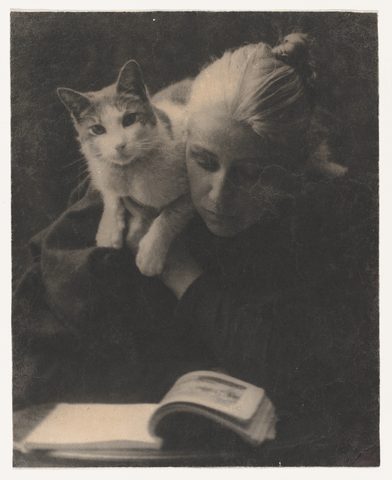
Amelia Van Buren
Thomas Eakins
late 1880s
The MetCC0
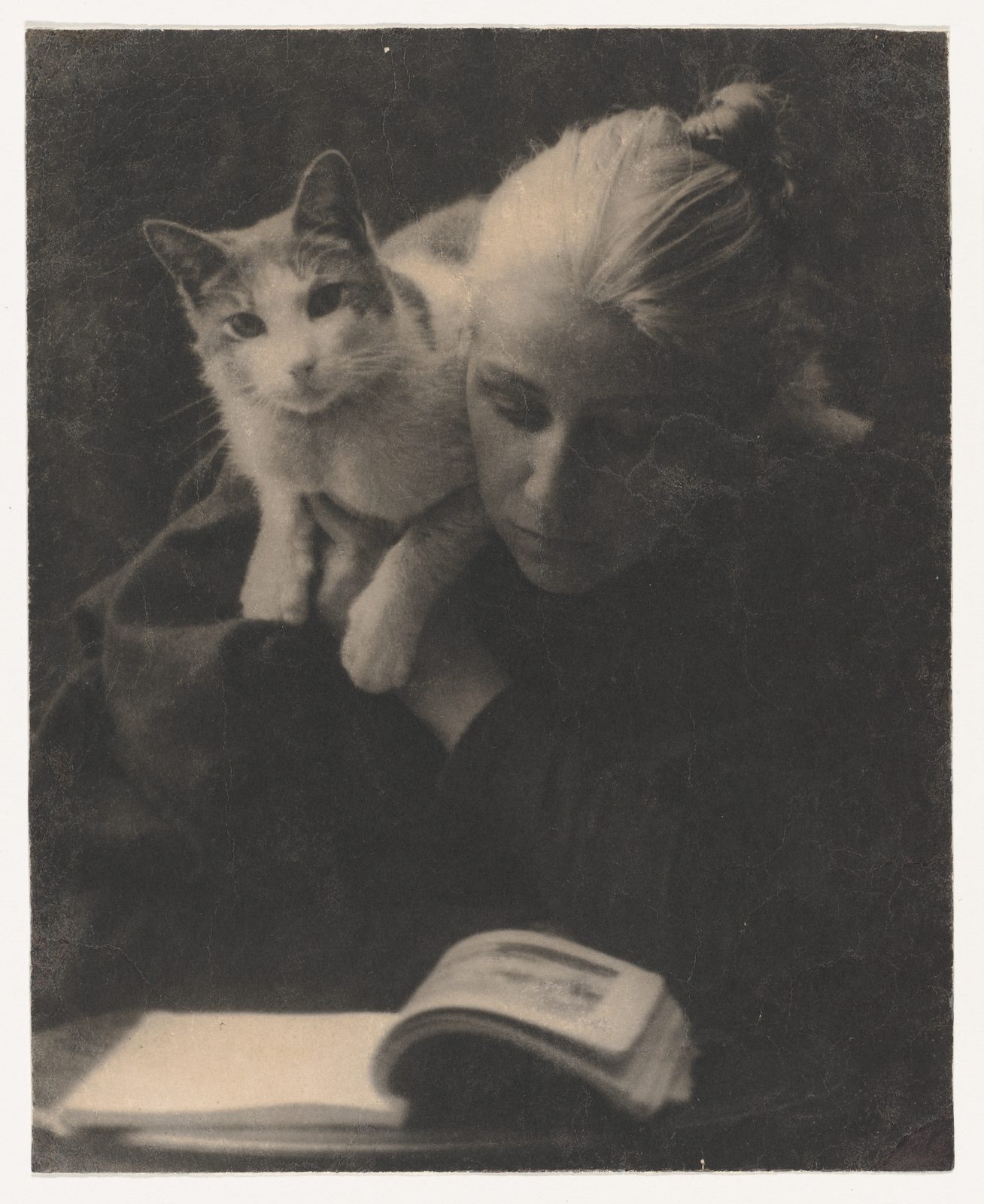
Thomas Eakins made this platinum print in the late 1880s, and the cat on Amelia Van Buren's shoulder steals the scene from her book.
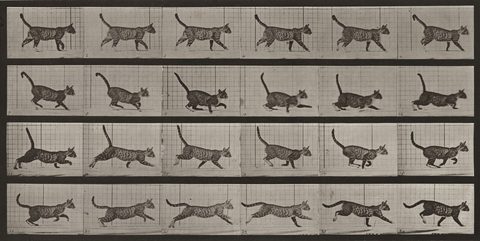
Plate Number 716. Cat; walking; change to galloping
Eadweard Muybridge
1887
National Gallery of ArtPublic domain
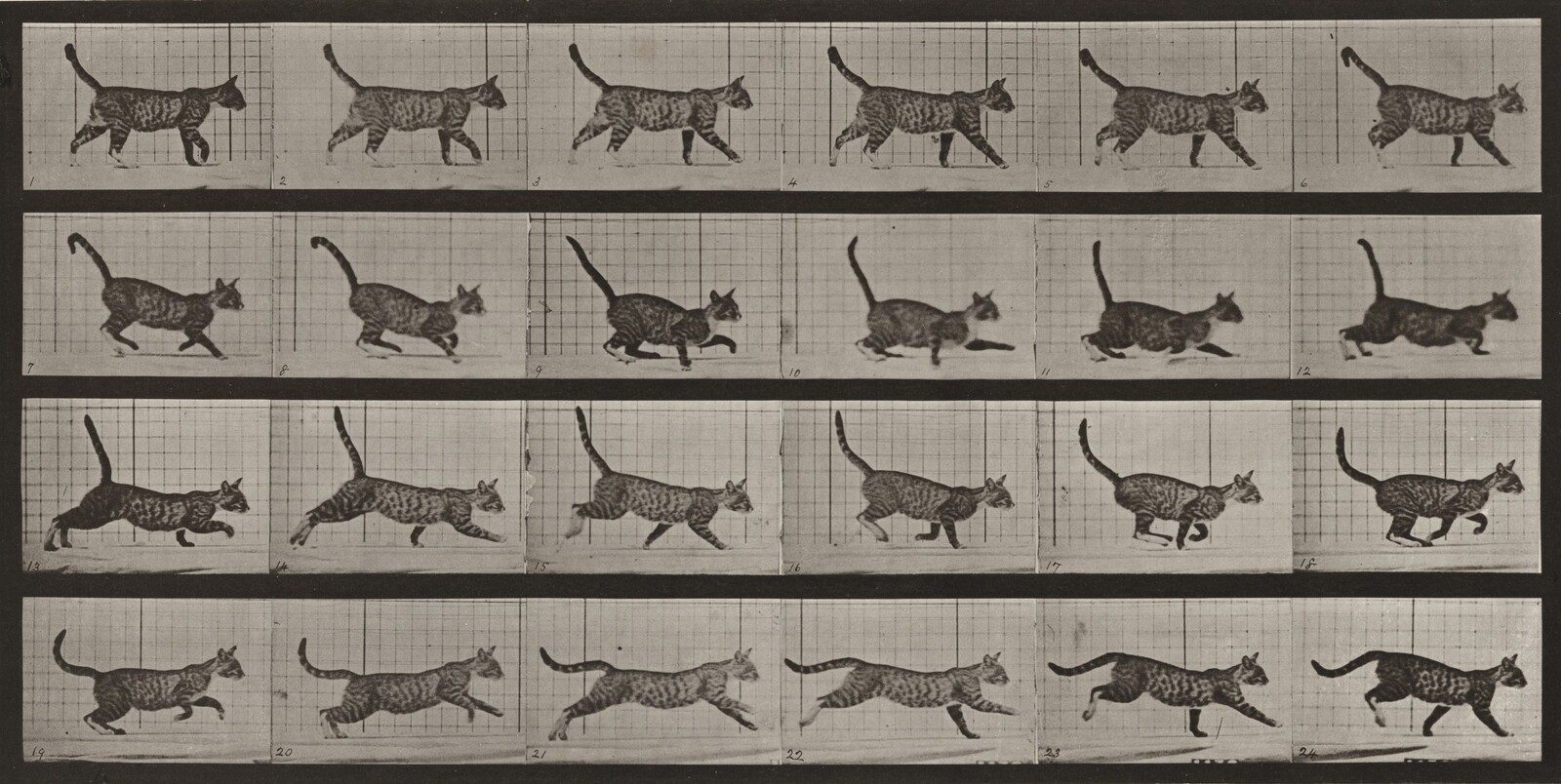
Eadweard Muybridge's 1887 plate 716 freezes a cat frame by frame as it shifts from a walk to a gallop.
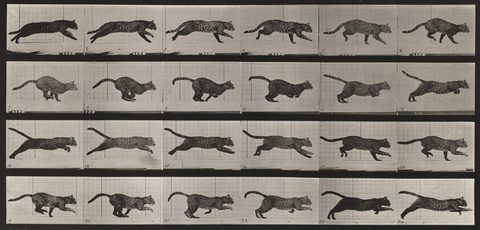
Plate Number 720. Cat; galloping
Eadweard Muybridge
1887
National Gallery of ArtPublic domain
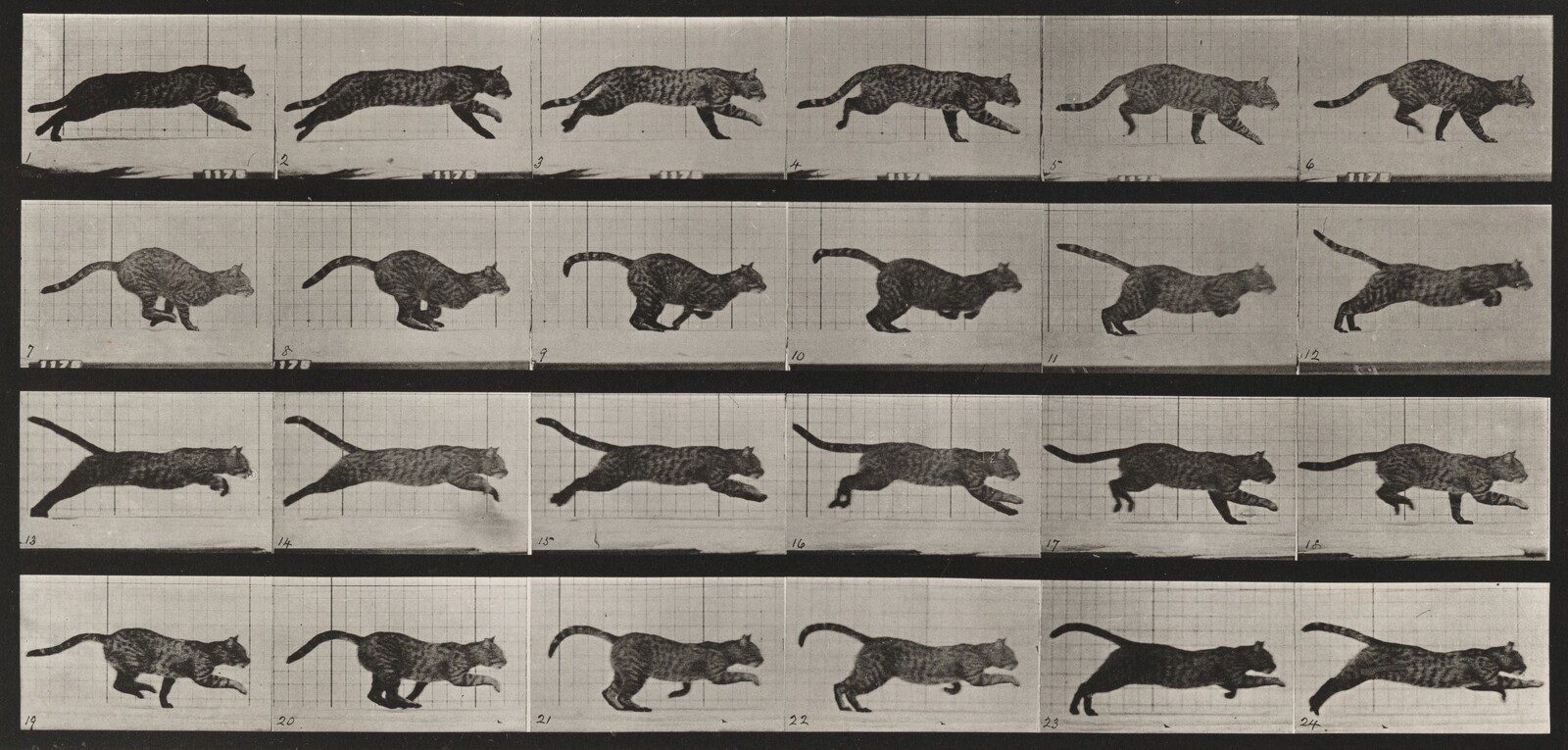
Eadweard Muybridge's 1887 Plate 720 slices one gallop into frames, so you can see exactly how a running cat moves.
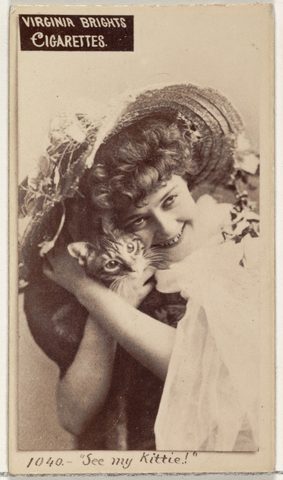
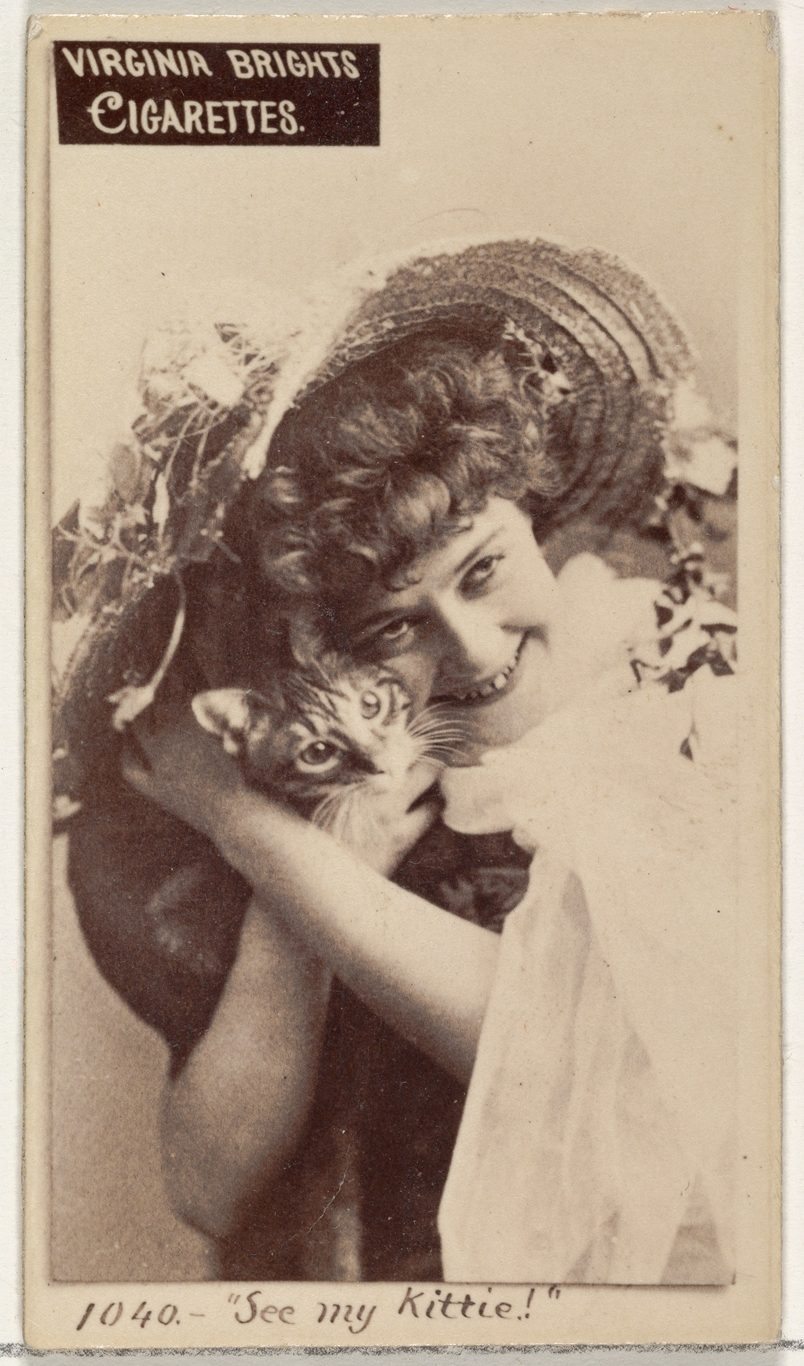
Card 1040, "See my Kittie!", from the Actors and Actresses series (N45, Type 2) for Virginia Brights Cigarettes
Allen & Ginter
ca. 1888
The MetCC0
Card 1040 from an Allen and Ginter actors and actresses series of about 1888, and the cat is clearly the real star.
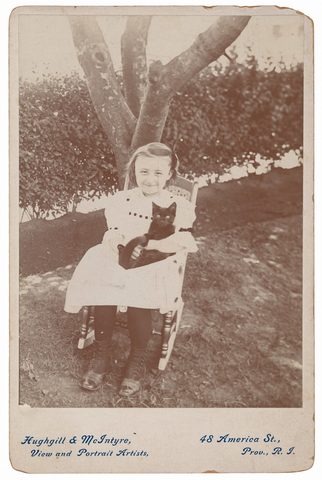
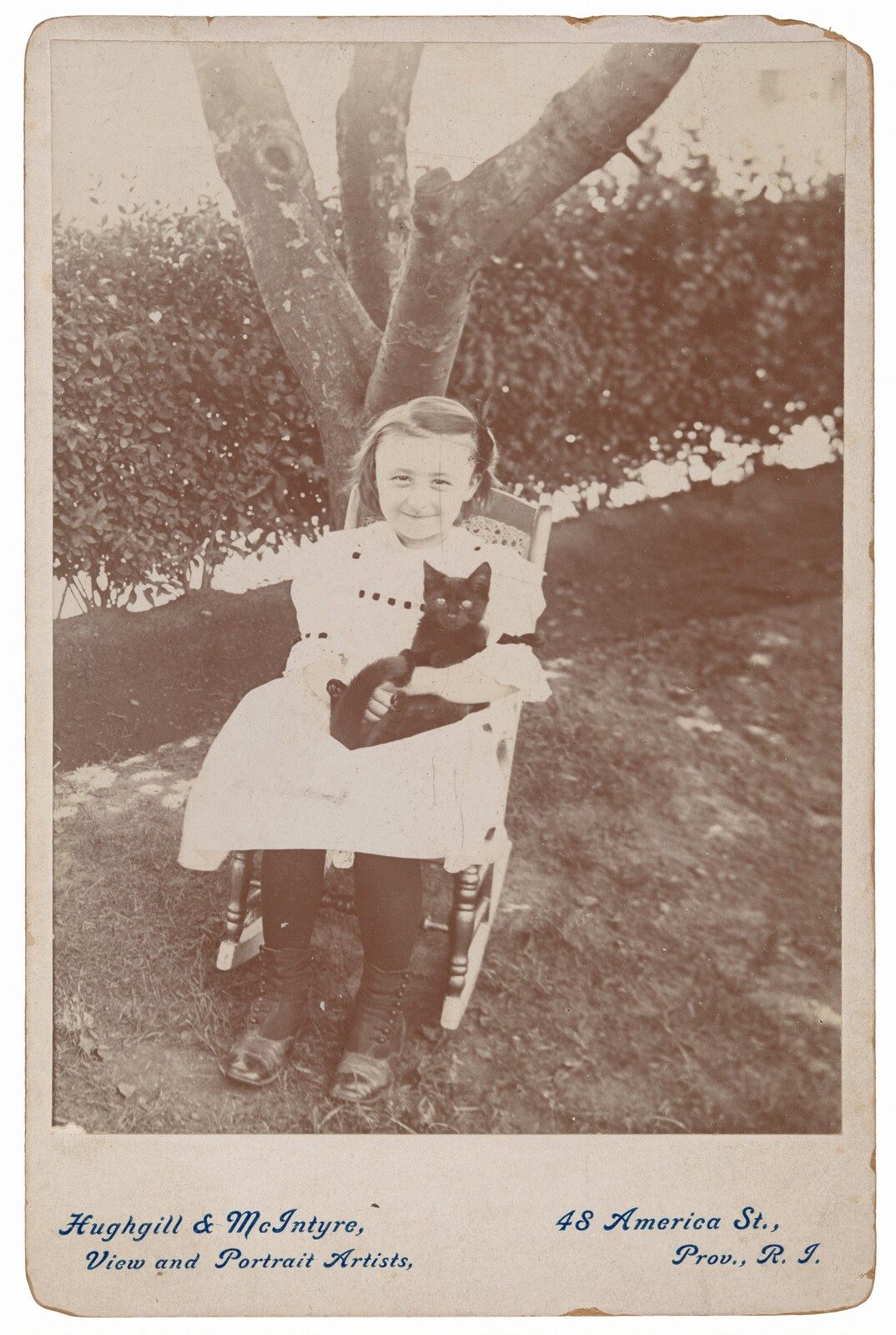
Portrait of a Girl and Cat
Hughgill & McIntyre
c. 1890
National Gallery of ArtPublic domain
Hughgill and McIntyre, view and portrait artists in Providence, made this cabinet card of a girl and her black cat around 1890.
The Index of American Design
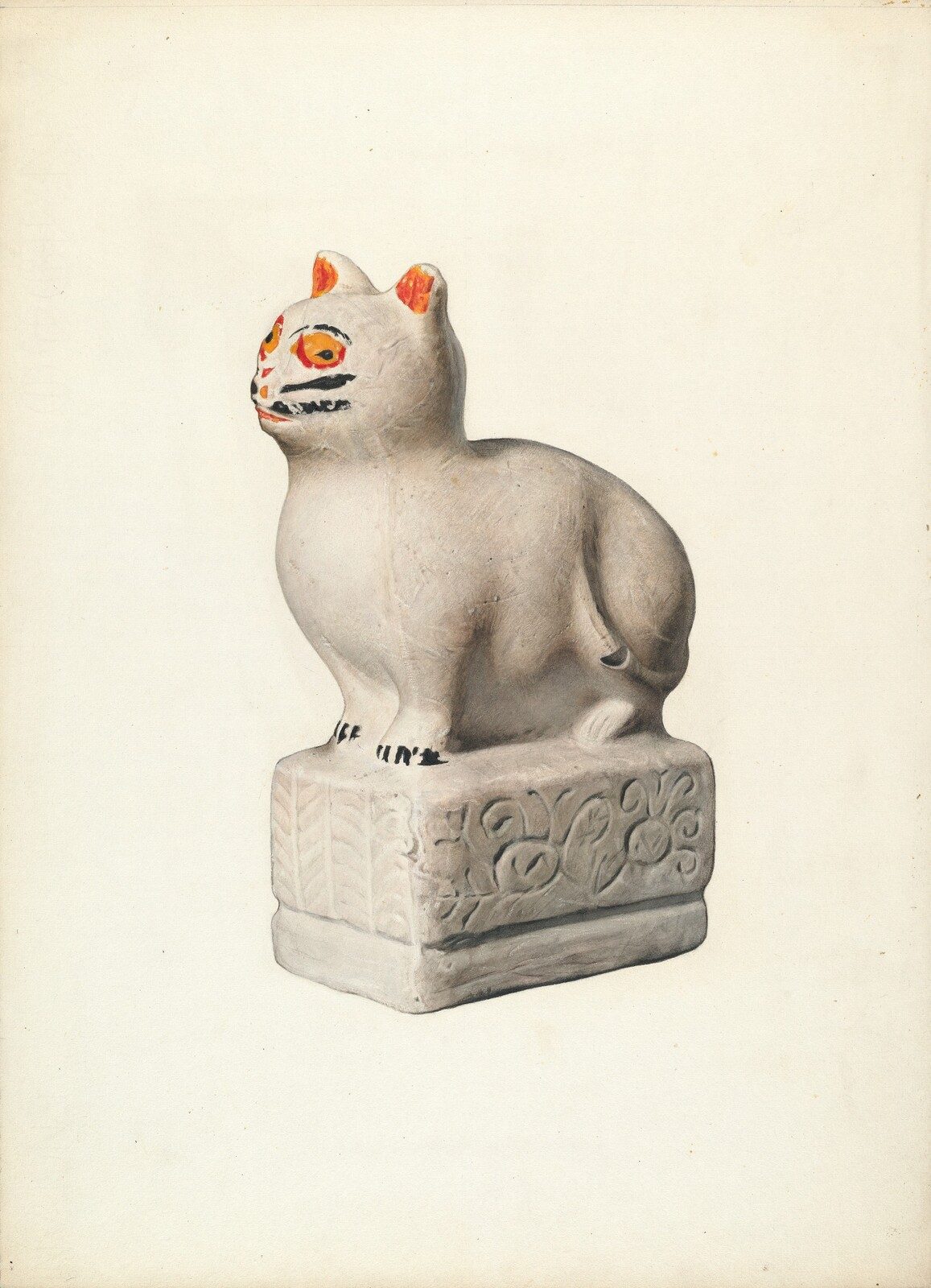
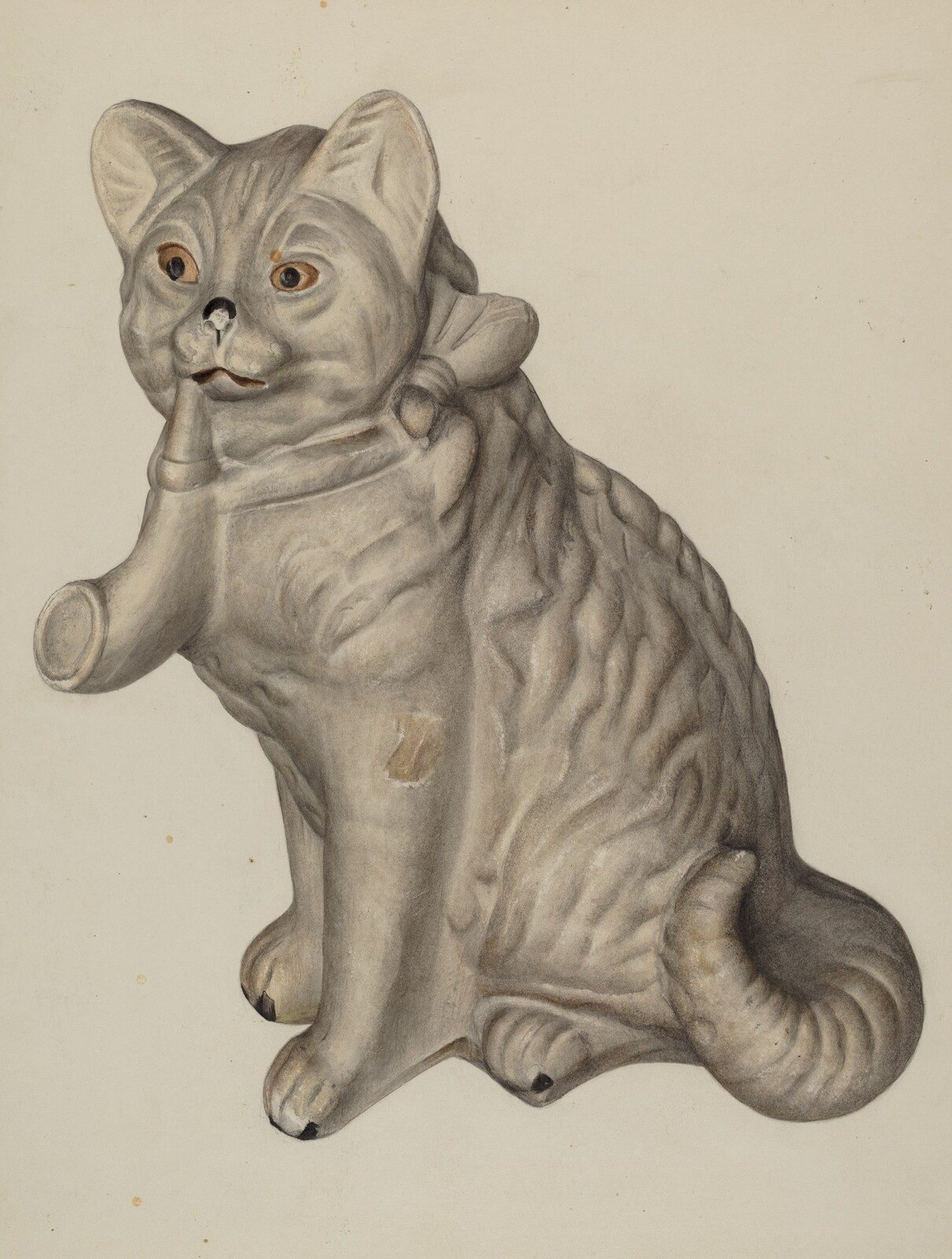
Six watercolors that the National Gallery of Art credits to the Index of American Design, recording chalkware cats, a cat-shaped bank, a squeak toy and a cat's head, made between about 1935 and 1942.
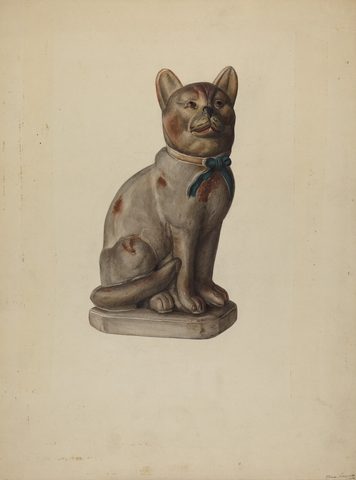
Pa. German Chalkware Cat with Mouse
Mina Lowry
c. 1938
National Gallery of ArtPublic domain
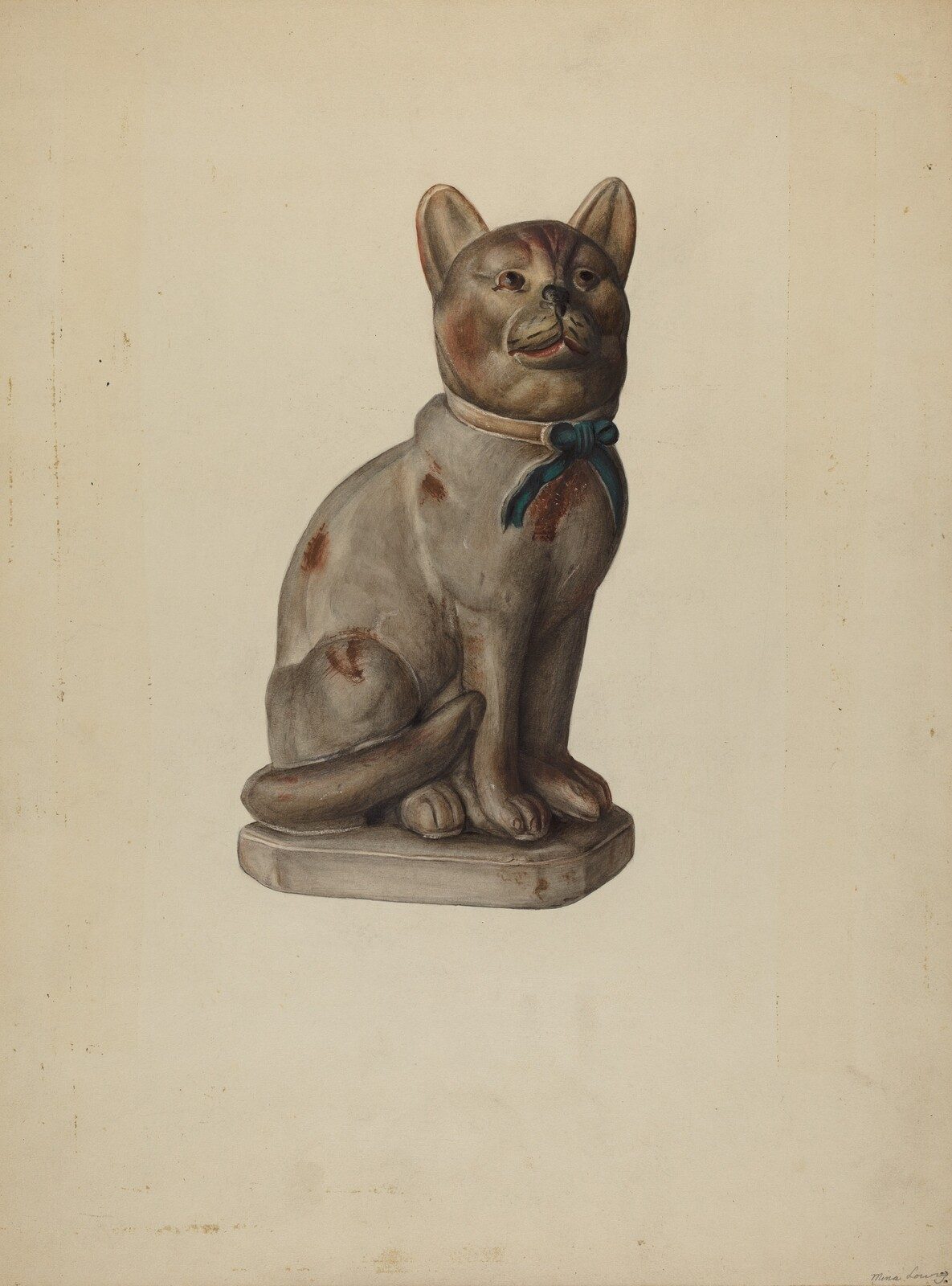
Mina Lowry painted this Pennsylvania German chalkware cat around 1938 in watercolor, graphite and ink, right down to the blue bow.
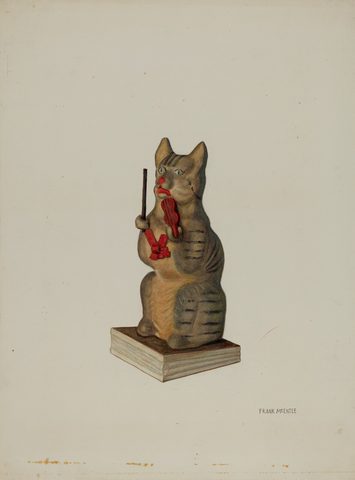
Squeak Toy Kitten
Frank McEntee
c. 1938
National Gallery of ArtPublic domain
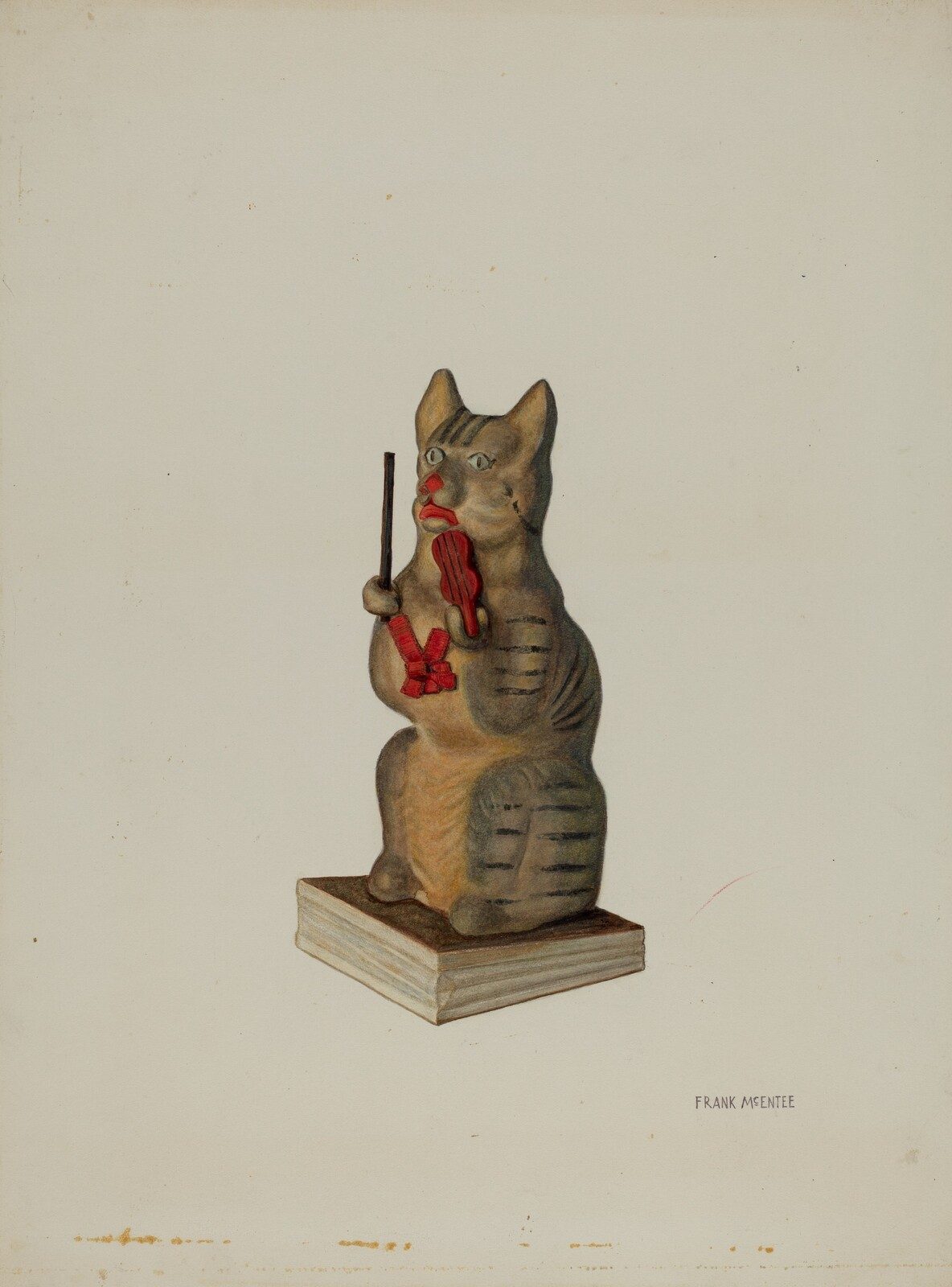
Frank McEntee painted this fiddle-playing squeak toy kitten around 1938 for the Index of American Design.
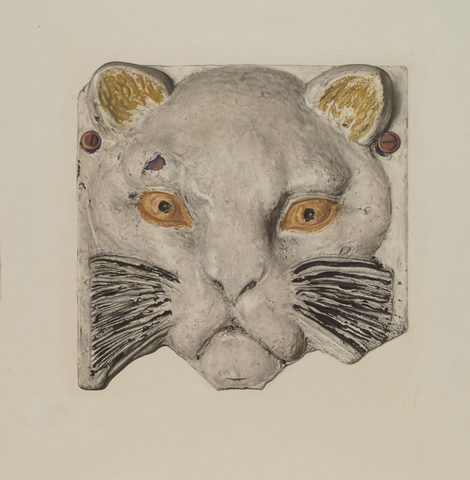
Cat's Head
Harriette Gale
c. 1938
National Gallery of ArtPublic domain
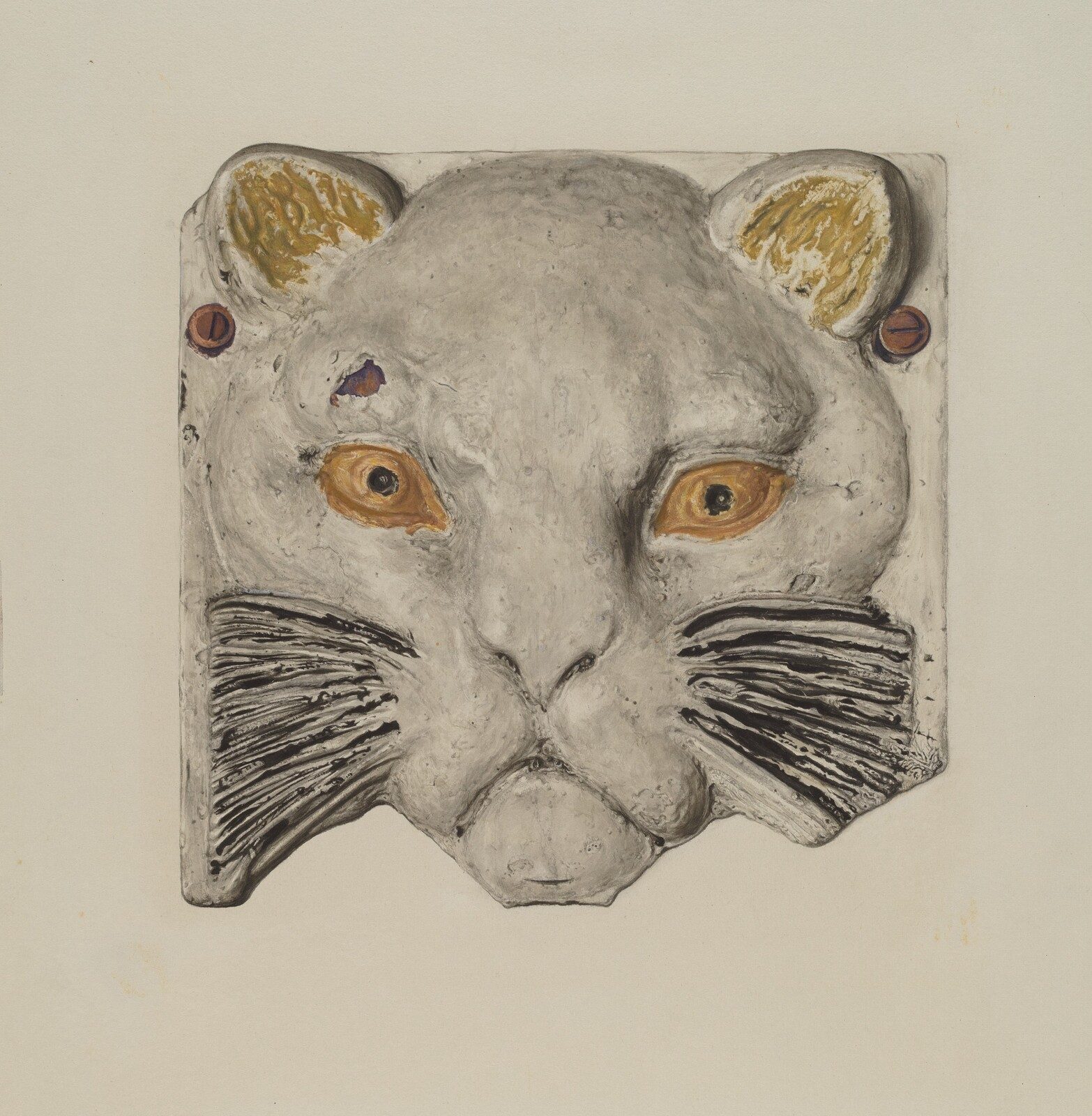
Harriette Gale captured this whiskered cat's head in watercolor and graphite around 1938.
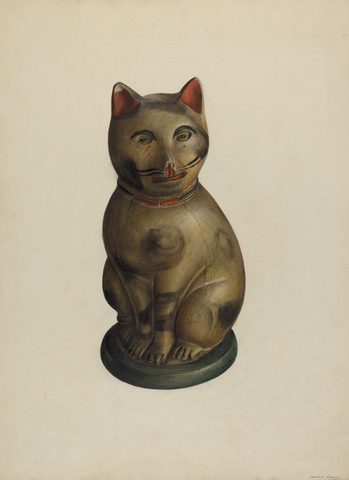
Pa. German Seated Chalkware Cat
Mina Lowry
1935/1942
National Gallery of ArtPublic domain
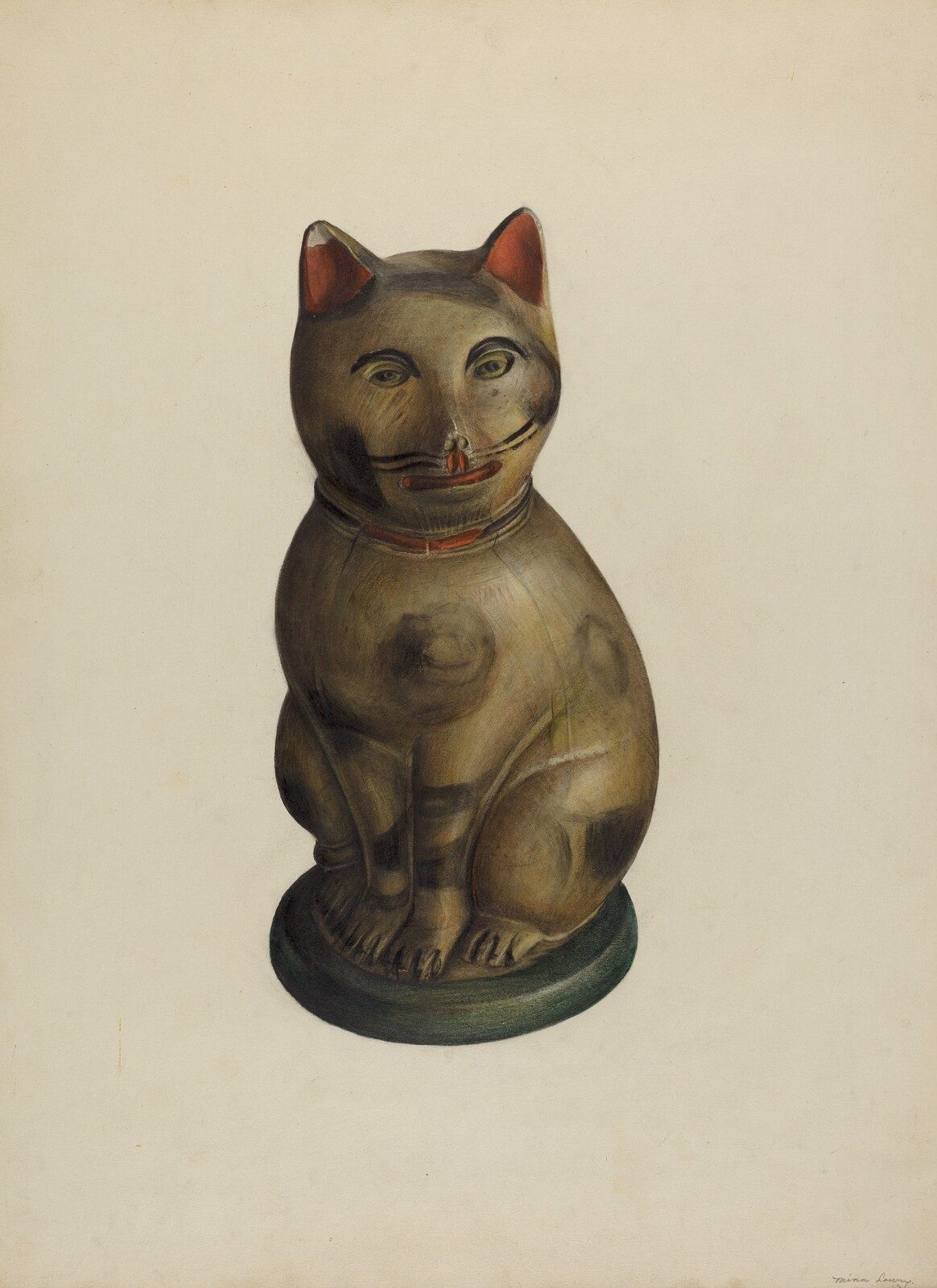
Mina Lowry painted this Pennsylvania German chalkware cat for the Index of American Design sometime between 1935 and 1942.
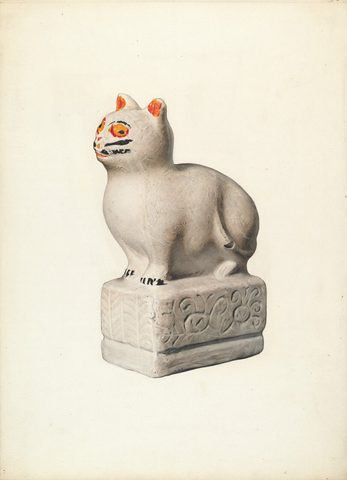
Chalkware Cat
Gertrude Koch
c. 1940
National Gallery of ArtPublic domain
Gertrude Koch painted this chalkware cat in watercolor around 1940 for the Index of American Design.
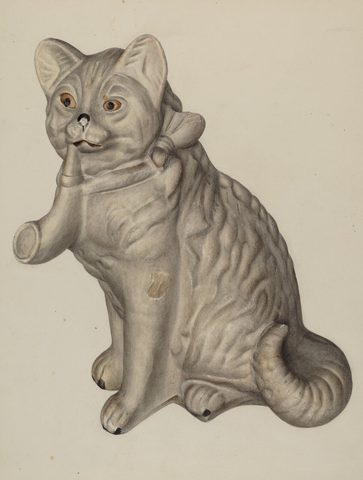
Cat Saving Bank
Mina Lowry
c. 1940
National Gallery of ArtPublic domain
Mina Lowry painted this cat-shaped saving bank around 1940 for the Index of American Design.
Prints, cards and sculpture
A Currier lithograph, a Thomas Nast cartoon, a cigarette card wild cat and two cat sculptures.
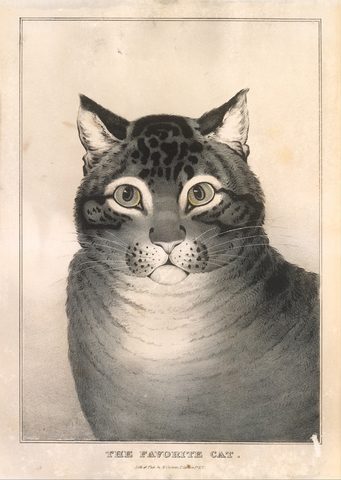
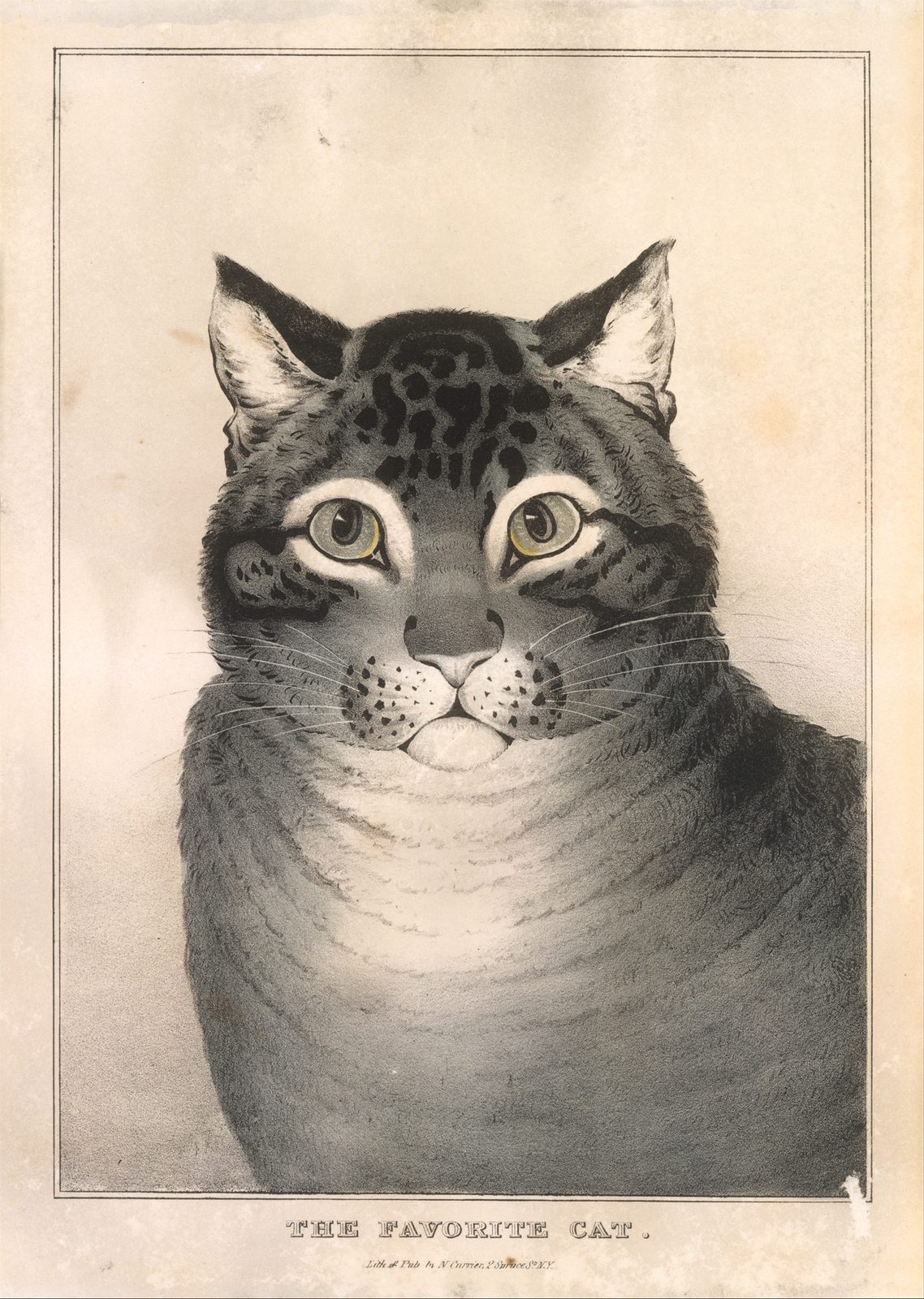
The Favorite Cat
Nathaniel Currier
1838-48
The MetCC0
Nathaniel Currier's hand-colored lithograph The Favorite Cat, from 1838 to 1848, stares straight at you and does not blink.
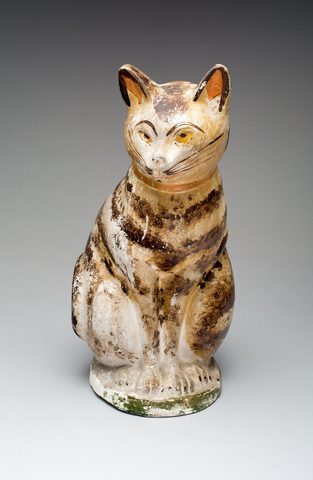
Seated Cat
Unknown maker, Pennsylvania
c. 1875
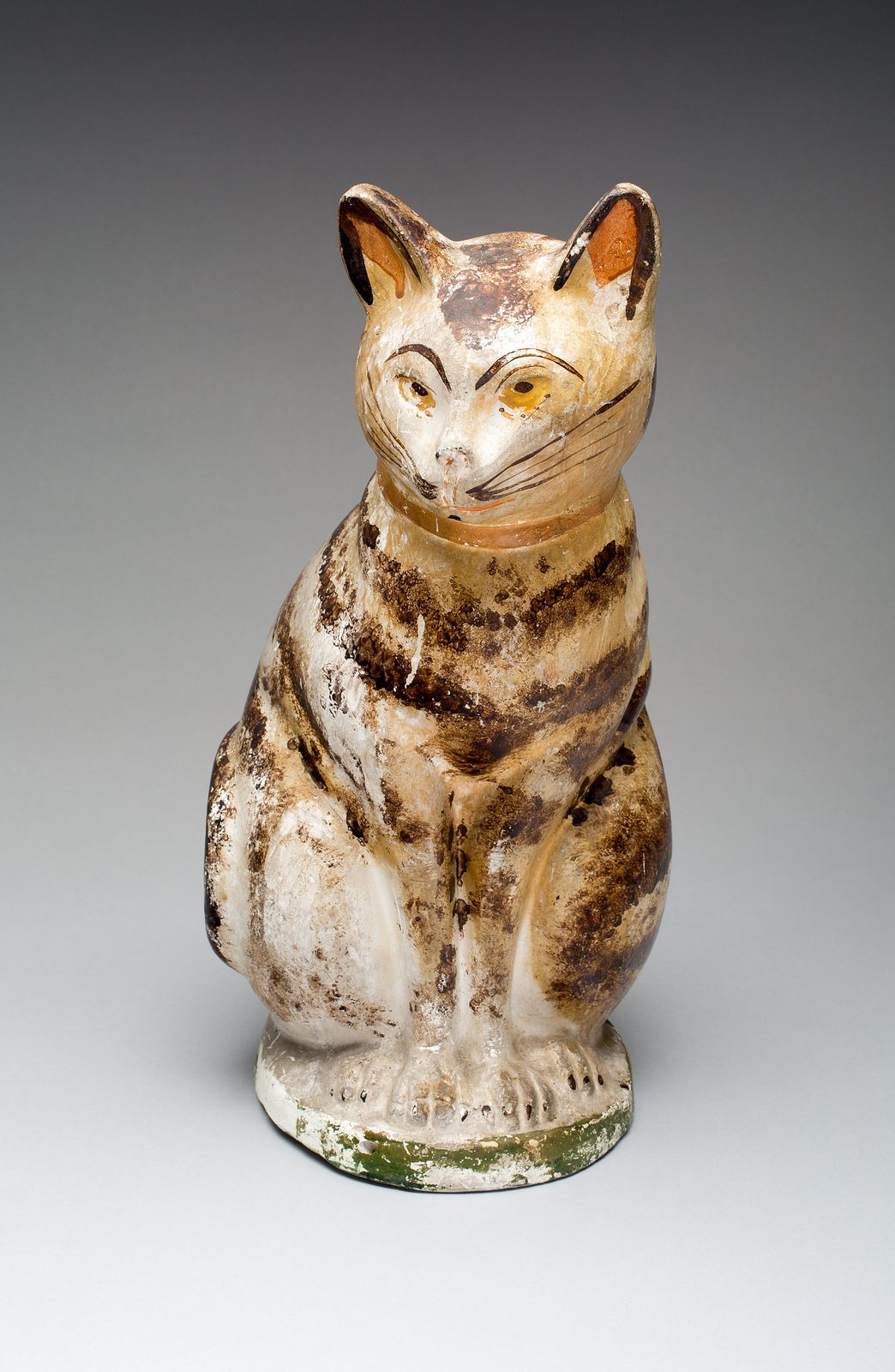
An unknown maker painted this plaster cat around 1875 with bold stripes and a friendly face.
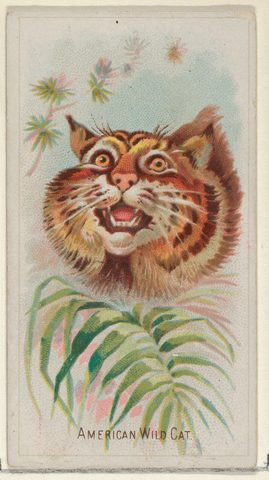
American Wild Cat, from the Wild Animals of the World series (N25) for Allen & Ginter Cigarettes
Allen & Ginter
1888
The MetCC0
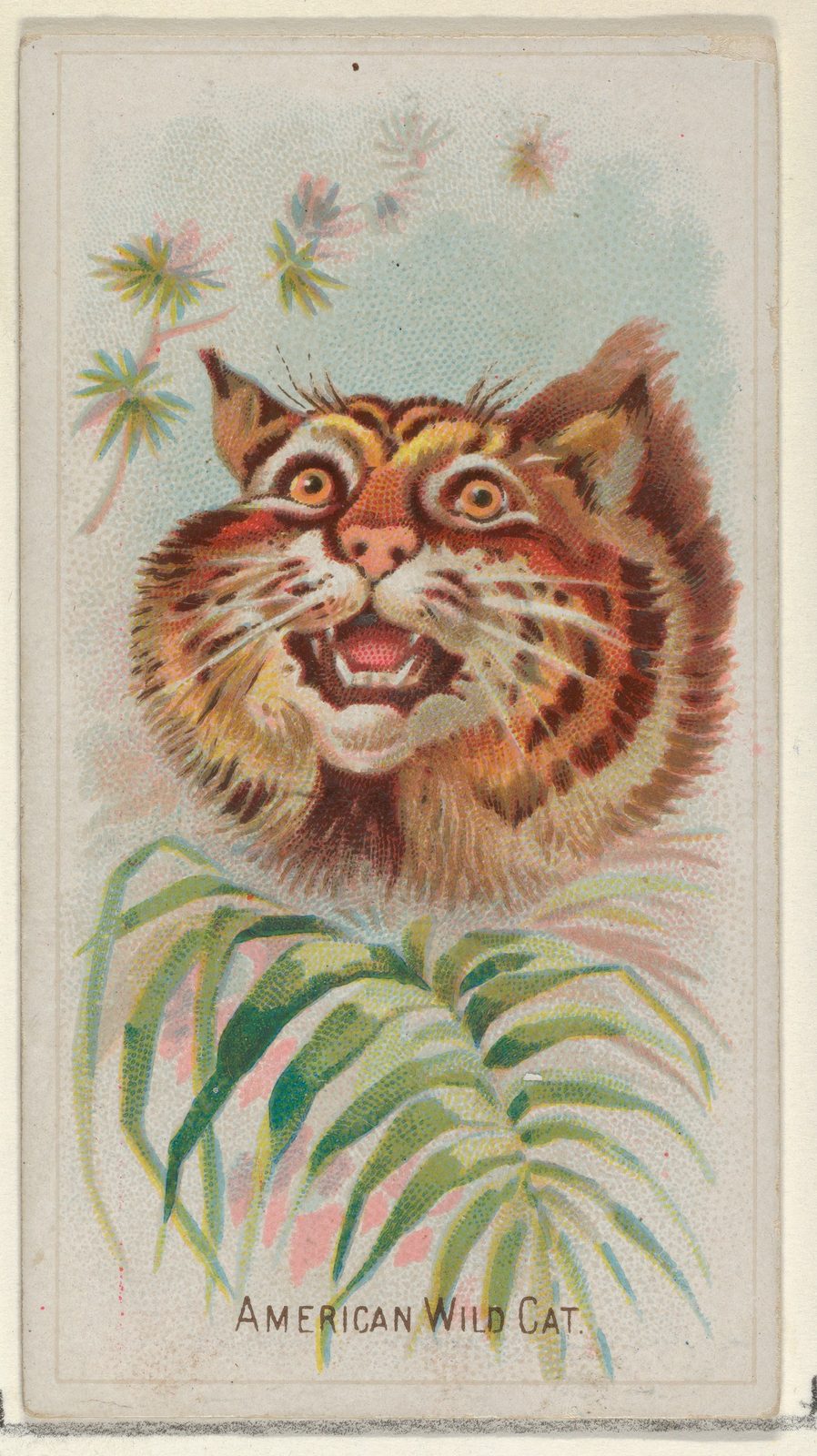
This American wild cat comes from Allen & Ginter's 1888 Wild Animals of the World cigarette card series, and it clearly has opinions.
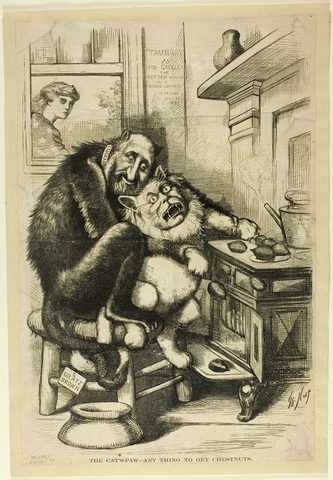
The Cat's-Paw, Any Thing to Get Chestnuts
Thomas Nast
published July 18, 1892
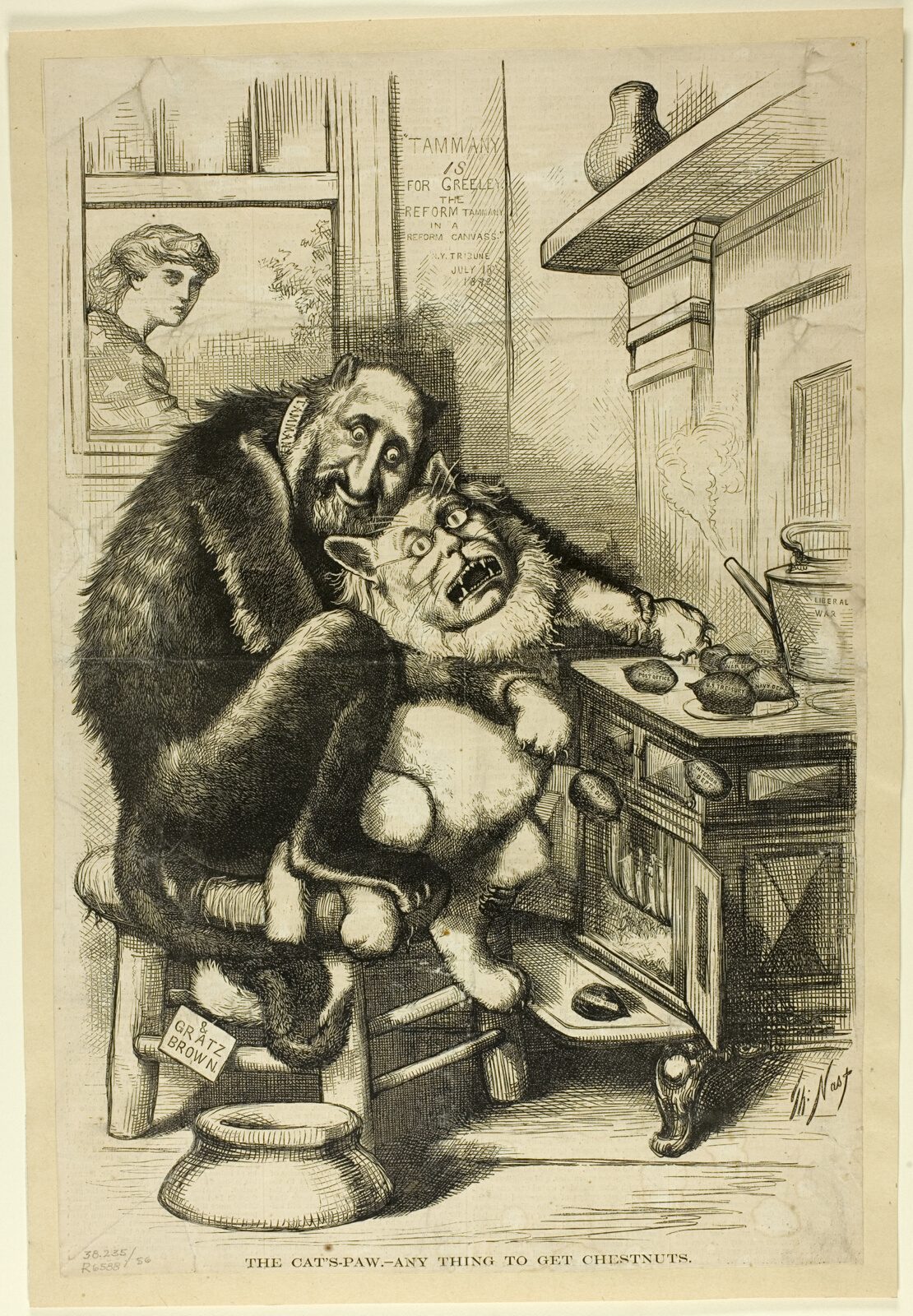
Thomas Nast's lithograph, published July 18, 1892, acts out the phrase cat's-paw quite literally, chestnuts and all.
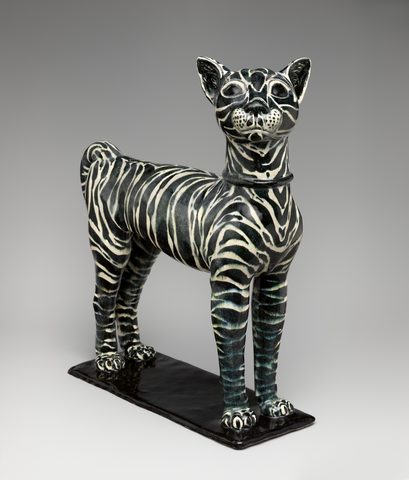
Cat in Tall Grass
Carl Walters
1939
The MetCC0
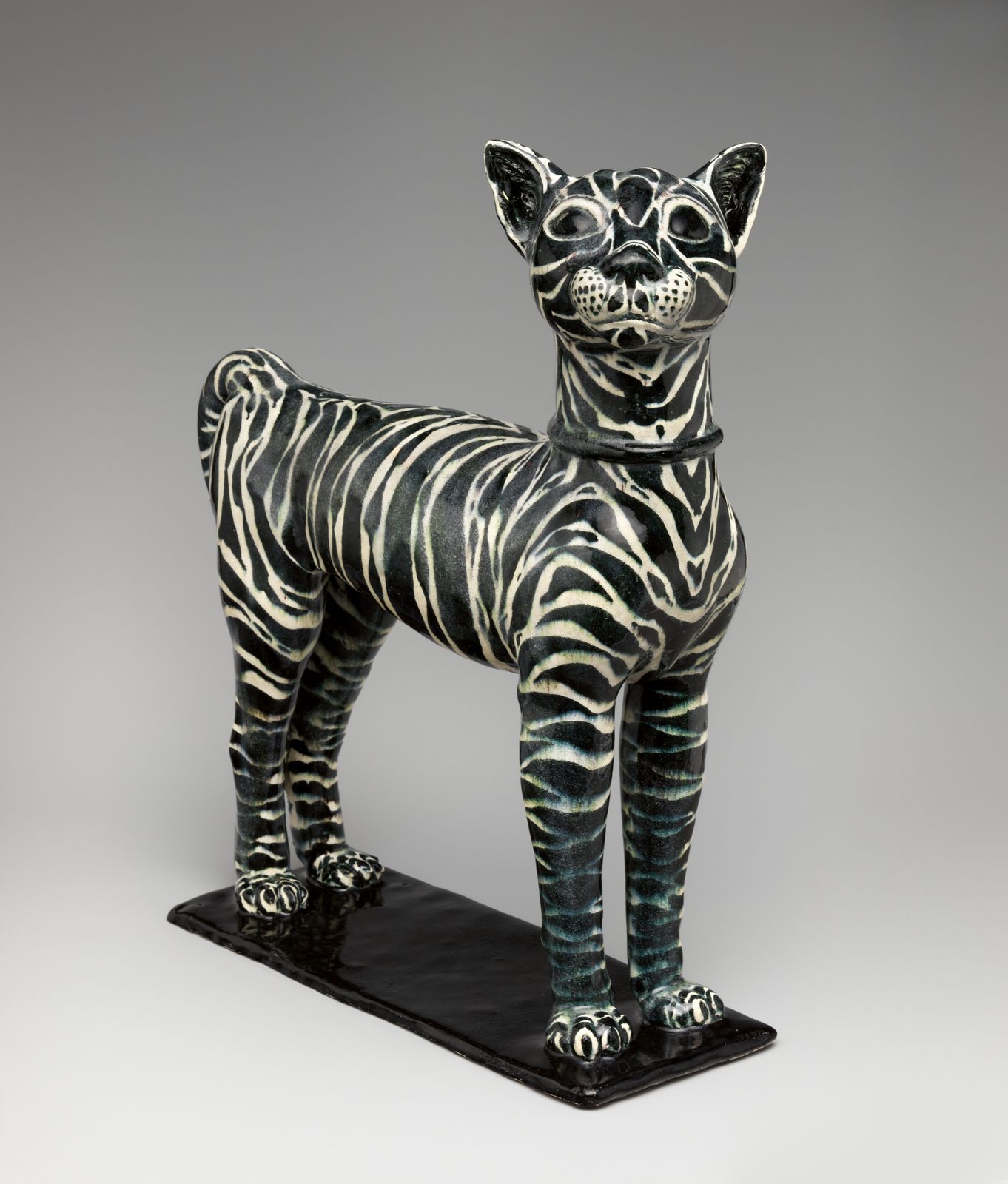
Carl Walters glazed this 1939 earthenware cat in wild black and white stripes, so it hardly needs tall grass to hide in.
About these pictures
The pictures come from the open-access collections of the Metropolitan Museum of Art1, the National Gallery of Art2 and the Art Institute of Chicago3, which mark them CC04 or public domain5. Titles, artists and dates are copied from each museum's record, and the notes are mine, written from those records and the pictures. Tap a picture for a larger copy, or the museum's name for its full record.
More from the Cat Museum
- Guess the centuryTen artworks, four centuries each. Some are from this gallery.
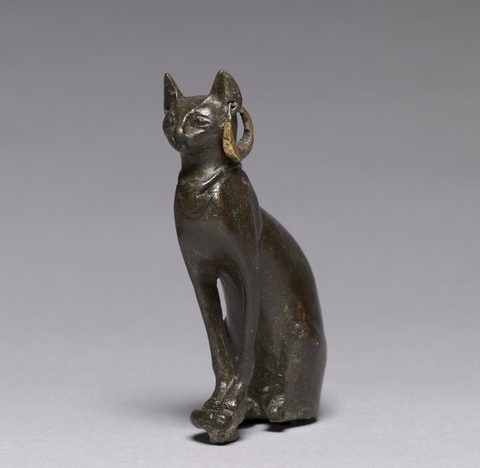 Ancient Egyptian catsBronze cats, cat coffins and amulets, 21 objects in all.
Pictured on the cards: Cat, Unknown maker, Egypt, 664-30 BCE OR 664-330 BCE, Cleveland Museum of Art, CC0.
Frequently asked questions
What is the oldest work here?
The ceramic Cat Vessel at the Met, dated to the 10th century BCE. The museum lists its culture as Olmec with a question mark.1
What do the Muybridge plates show?
A cat in motion, photographed in a row of frames. The National Gallery of Art holds plate 716, a cat walking and changing to a gallop, and plate 720, a cat galloping, both from 1887.2
Christopher writes and runs Cat Trivia Games. Every picture here links to the museum record it comes from, and the sources are listed below. How the site is made and corrected is on the editorial policy page. More about the author.
References
- The Metropolitan Museum of Art. Open Access dataset, released under CC0; collection images covered by the policy carry the CC0 icon. back
- National Gallery of Art. Open data program; its data dictionary flags open access images, which have no usage restrictions. back
- Art Institute of Chicago. Open Access Images: works believed to be in the public domain, under CC0. back
- Creative Commons. CC0 1.0 Universal (public domain dedication). back
- Creative Commons. Public Domain Mark 1.0. back
Written by Christopher Fox under our editorial policy. Artworks and records belong to the museums named on each card; this site is not connected with them.