 Cat Trivia Games
iOS App
Cats in European Art History: Paintings, Prints and More
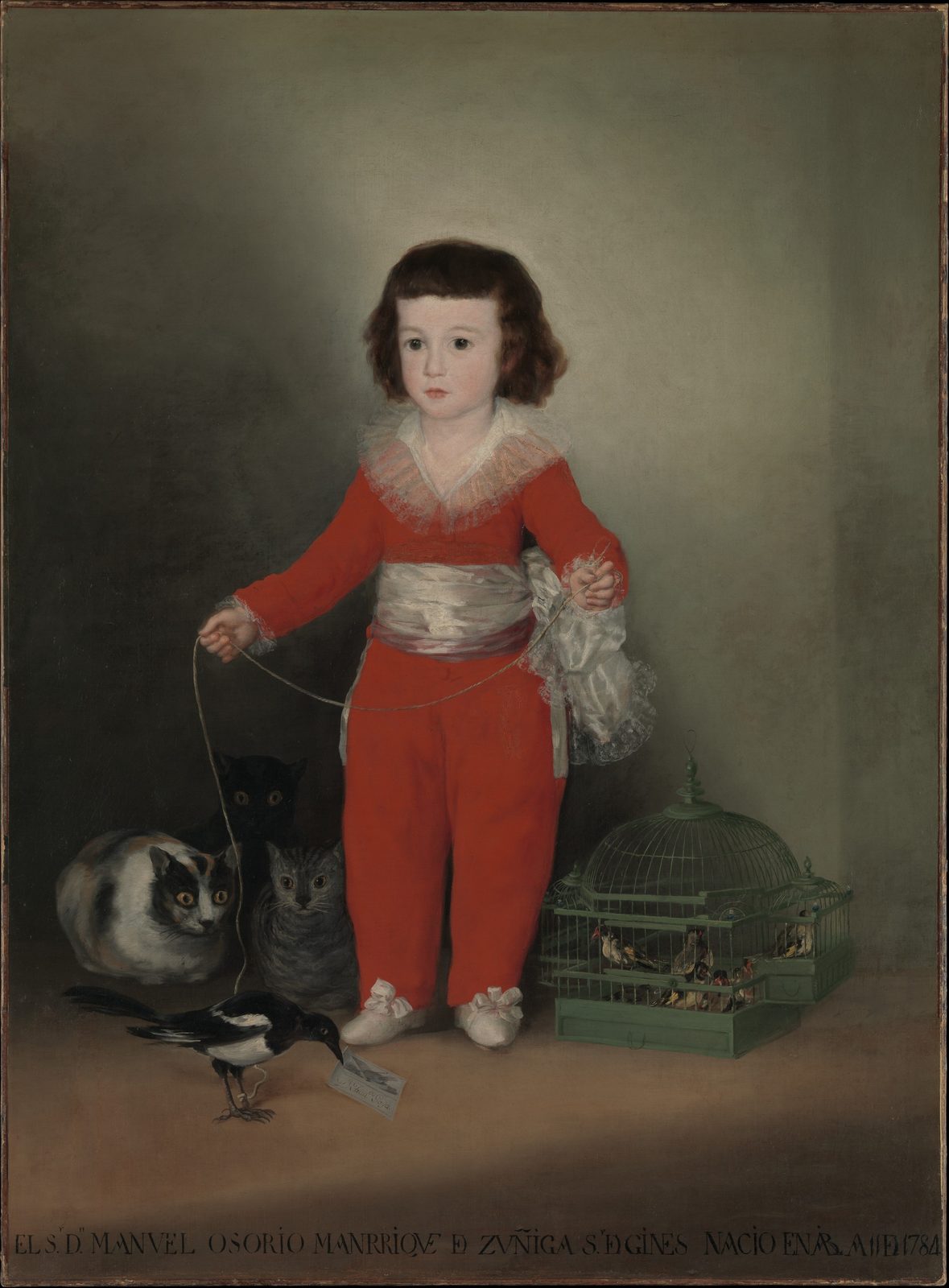
These 40 works follow cats through European art from about 1495 to 1930. They include Albrecht Dürer's Adam and Eve, a Rembrandt etching, Goya's portrait of a boy whose pet bird three cats are watching, Gainsborough's chalk studies, Renoir's woman holding a tabby, Manet's rooftop cats and Steinlen's Chat Noir poster.
Cats in the 1400s and 1500s
Engravings and etchings, plus one drawing, from the decades around 1500 onward. In several the cat is a small figure at the edge of a bigger story.
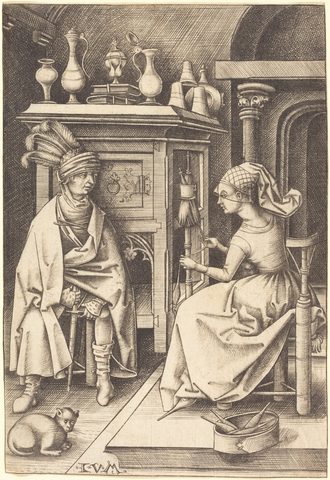
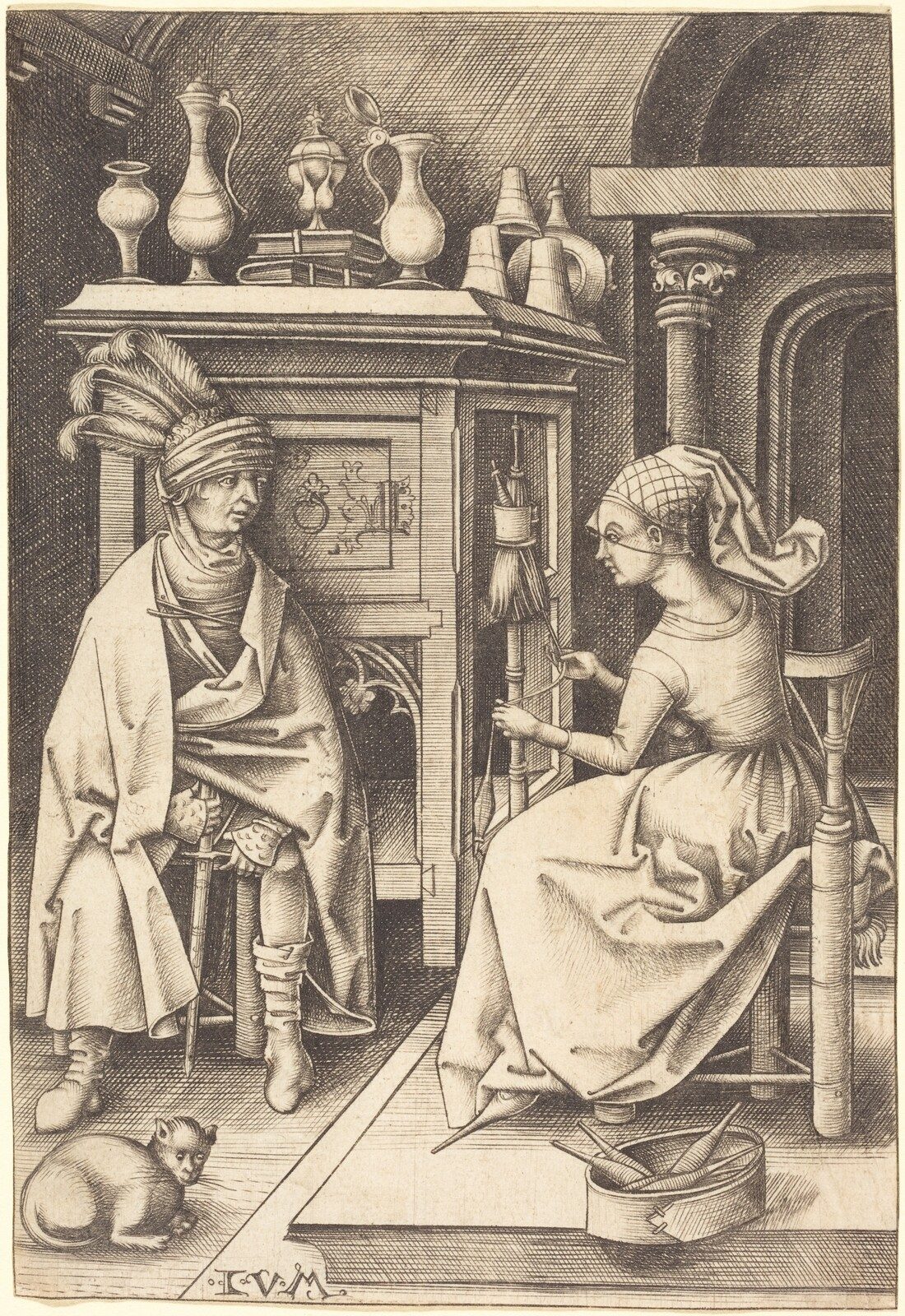
The Visit to the Spinner
Israhel van Meckenem
c. 1495/1503
National Gallery of ArtPublic domain
Israhel van Meckenem engraved this visit around 1495 to 1503, and a cat settles in on the floor to join it.
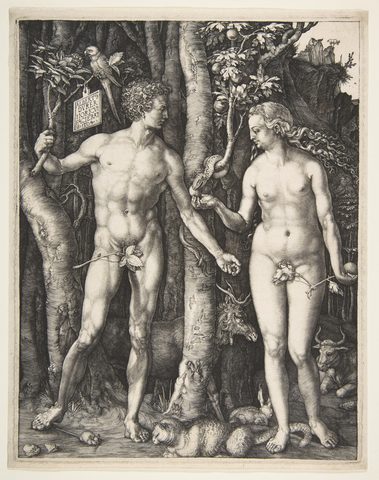
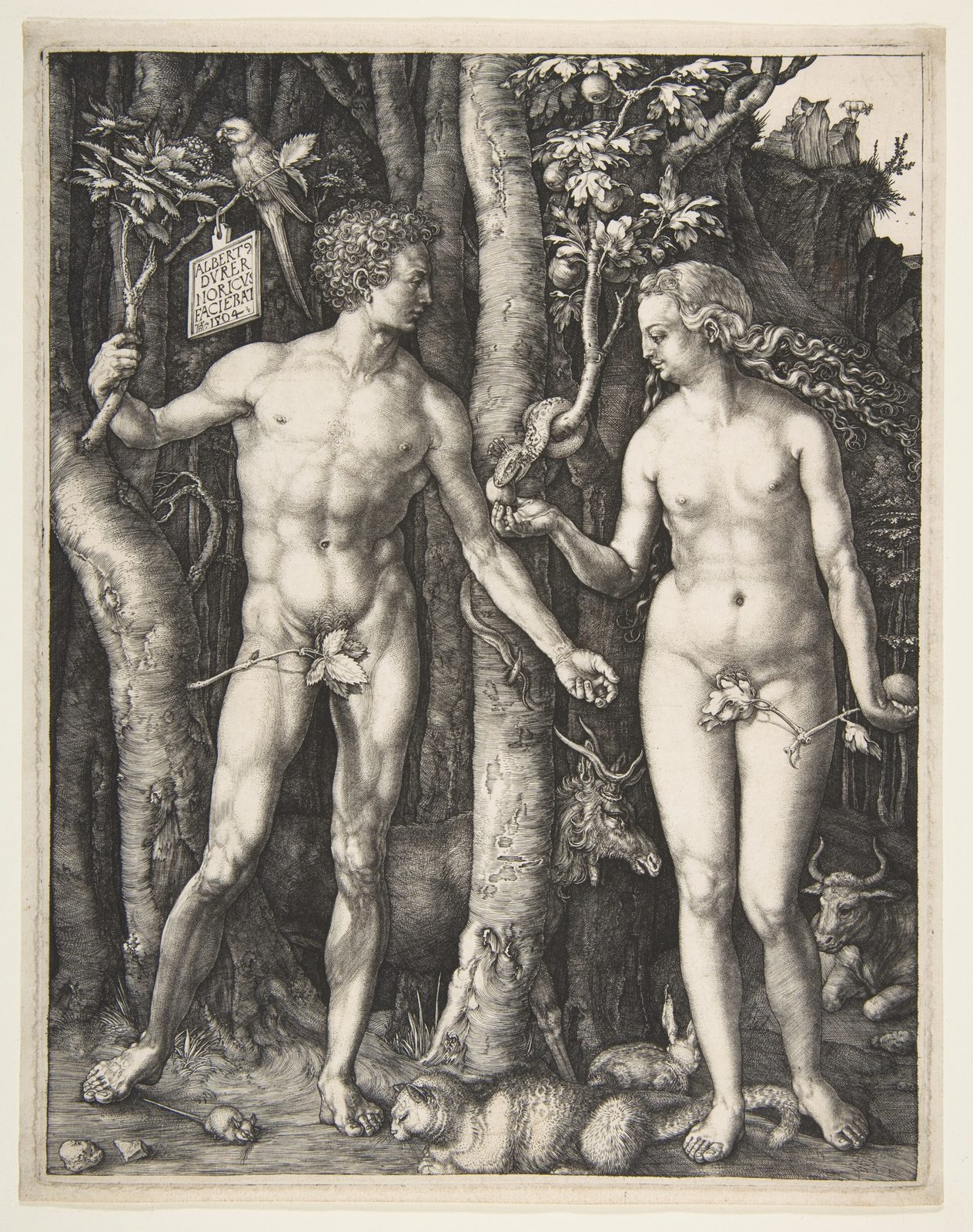
Adam and Eve
Albrecht Dürer
1504
The MetCC0
In Albrecht Dürer's 1504 engraving, look down: a cat lies at Adam and Eve's feet with a mouse just a pounce away.
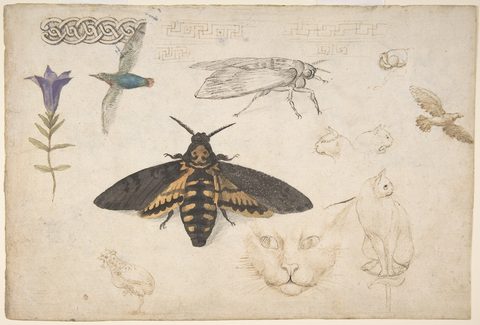
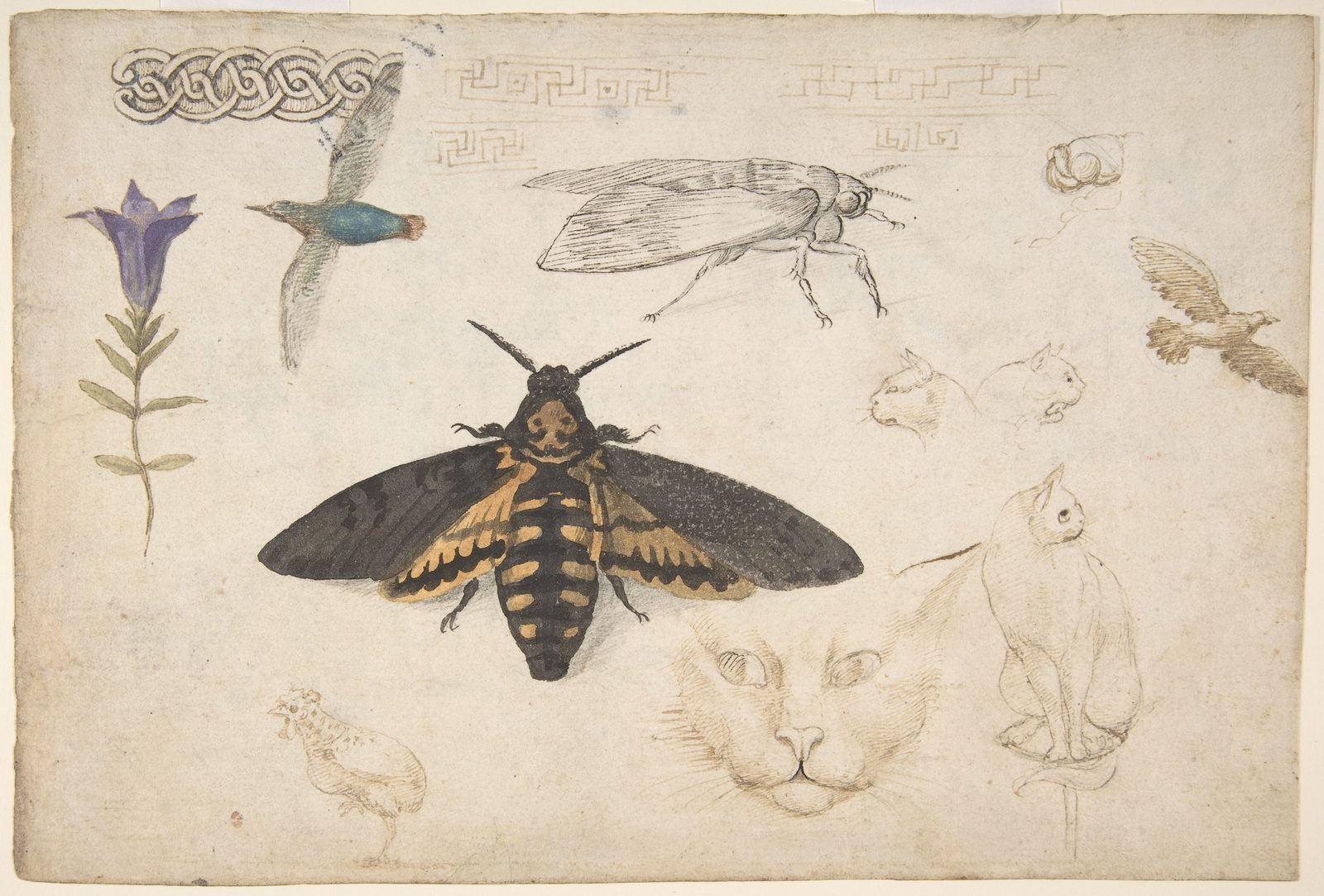
Studies of a Gentian, Moth, Birds, Cats, Interlacing Motif, and Greek Frets (recto); Ornamental Studies with Figures (verso)
Giorgio di Giovanni ("Giorgio da Siena")
1530-40
The MetCC0
Giorgio di Giovanni packed a gentian, a moth, birds and cats onto one page around 1530 to 1540, a Renaissance doodle sheet with excellent priorities.
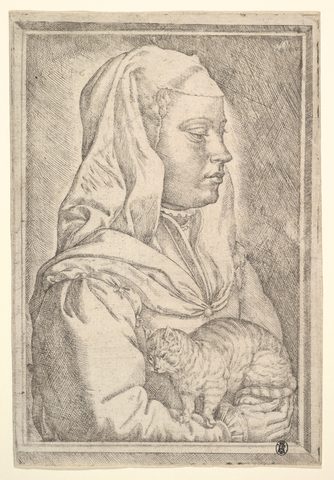
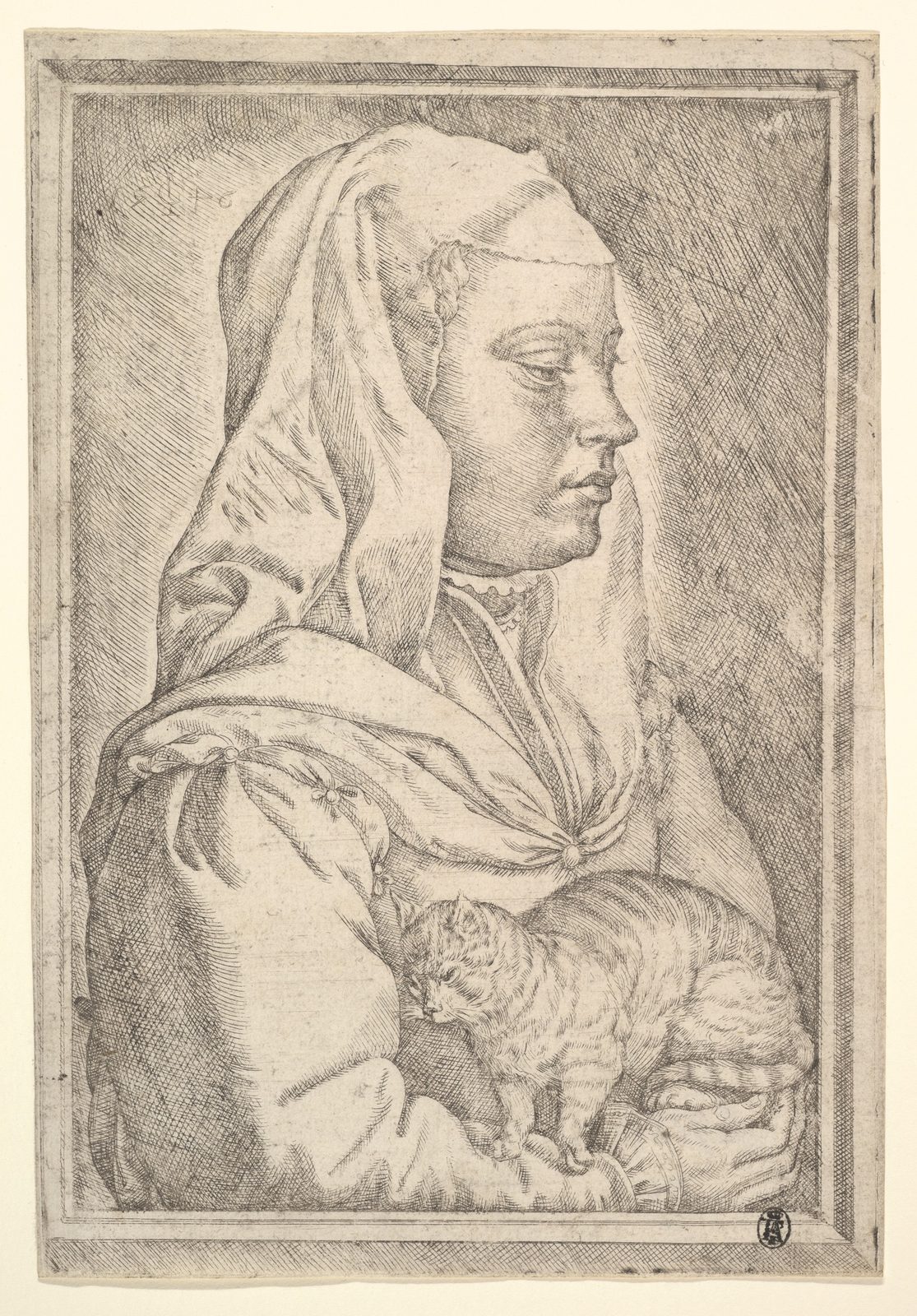
Girl with a Cat
Jan Cornelisz Vermeyen
1546
The MetCC0
In 1546 Jan Cornelisz Vermeyen etched this calm young woman with a tabby cat that looks straight out at us.
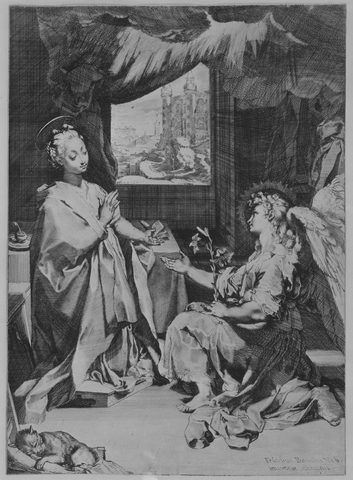
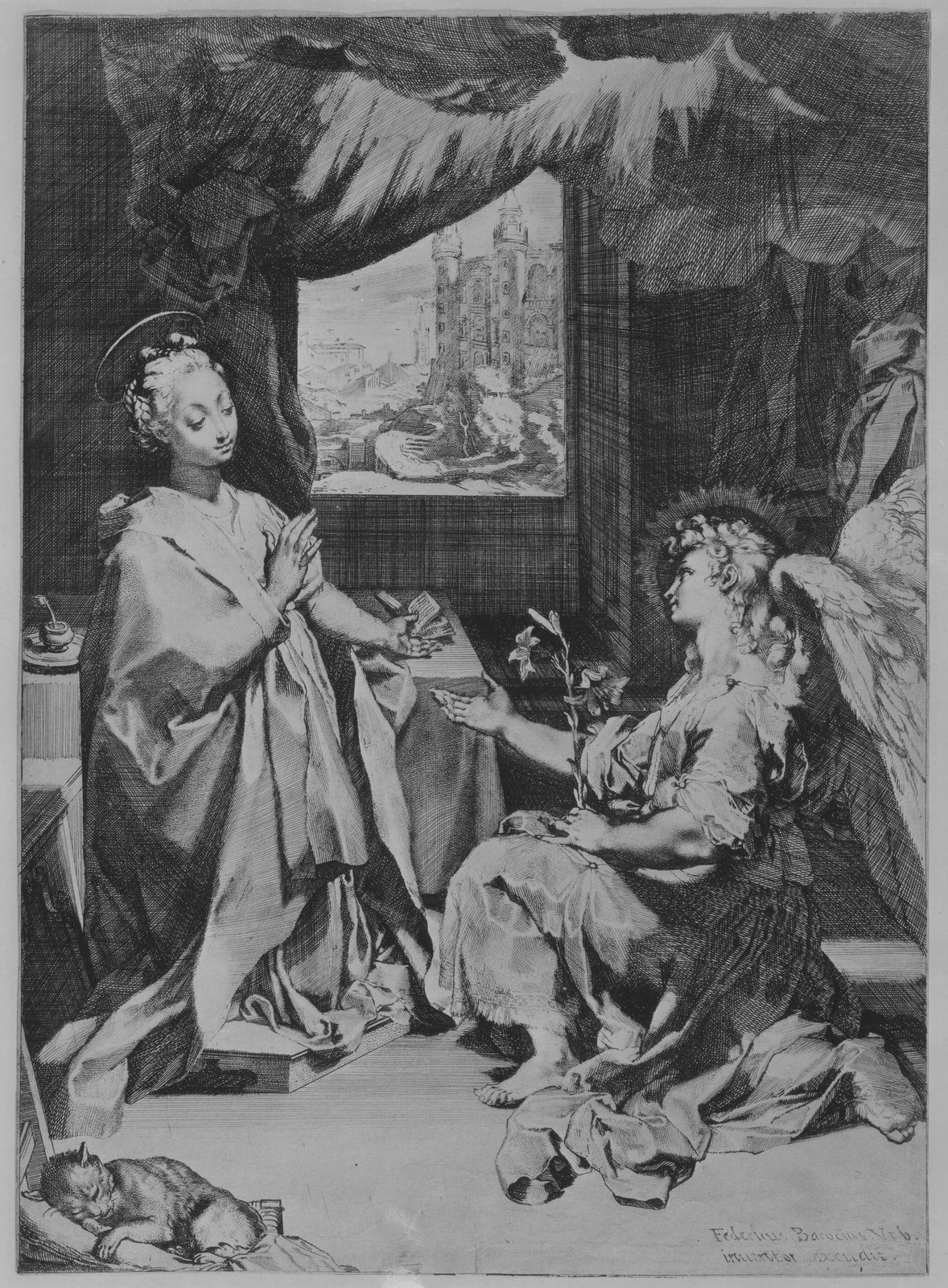
The Annunciation
Federico Barocci
ca. 1585
The MetCC0
Federico Barocci's Annunciation of about 1585 is a very big moment, yet the cat in the corner sleeps right through it.
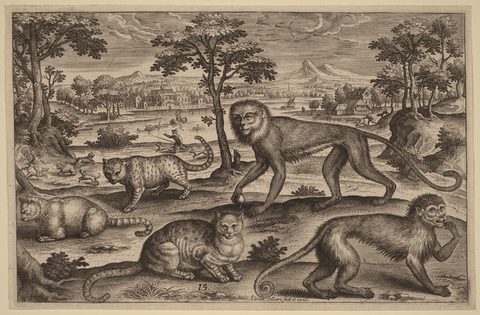
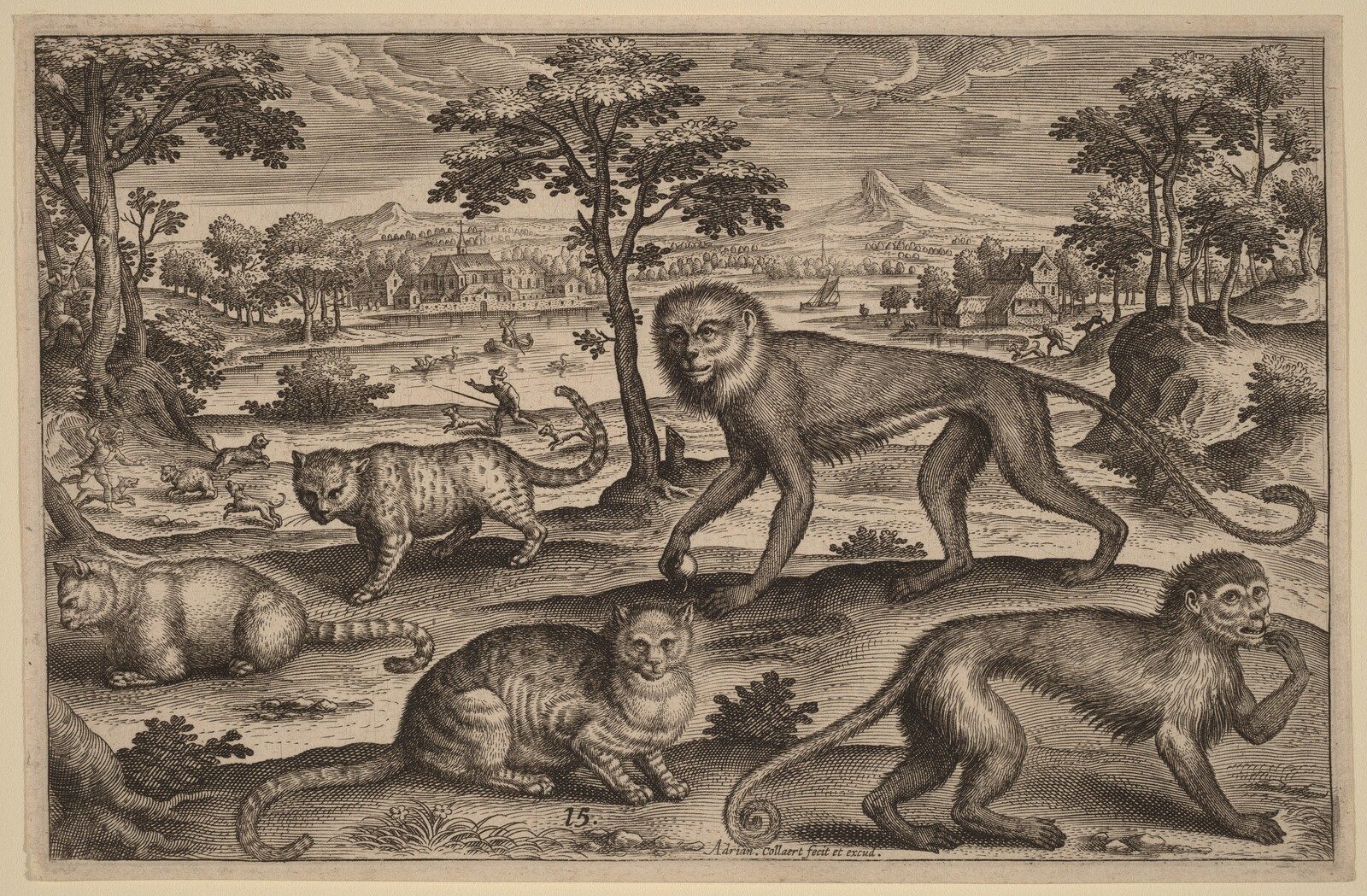
Three Cats and Two Monkeys
Adriaen Collaert
c. 1597
National Gallery of ArtPublic domain
Adriaen Collaert engraved this animal lineup around 1597: three cats and two monkeys sharing one landscape.
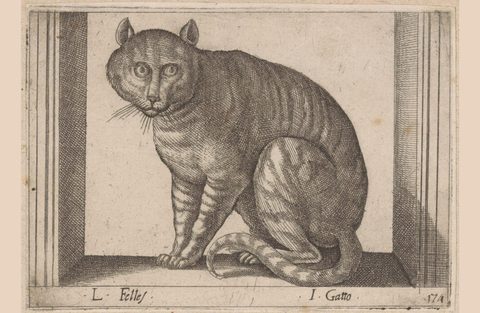
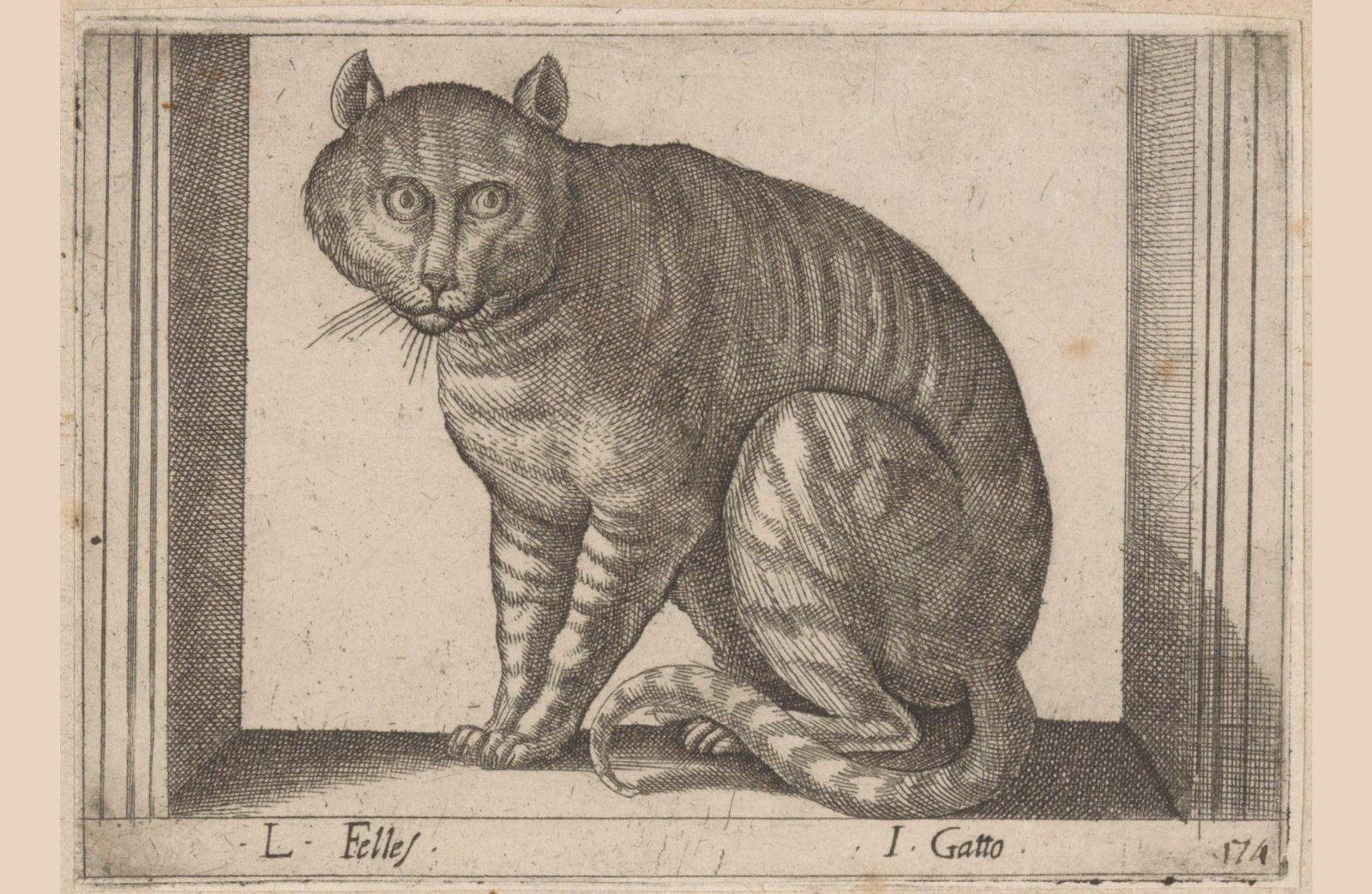
KatIn English: Cat
Antonio Tempesta
1565 - 1630
RijksmuseumPublic domain
Antonio Tempesta labeled this etched cat twice, Felis and Gatto, so nobody could mistake it for anything else.
Cats in the 1600s
Judith Leyster's laughing children, Gabriël Metsu's woman feeding a begging tabby, Jan Steen's dancing lesson, a Rembrandt etching and an oil sketch of a cat peering down from a ledge. A pearl jewel from Spain or south Germany turns a cat into something to wear.
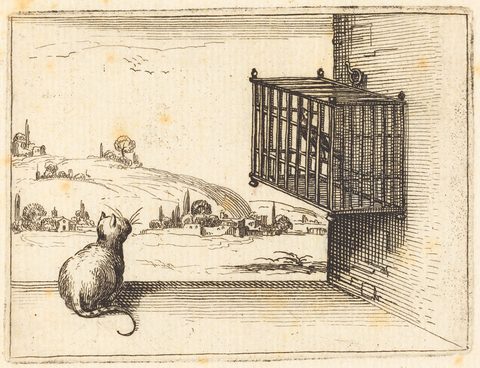
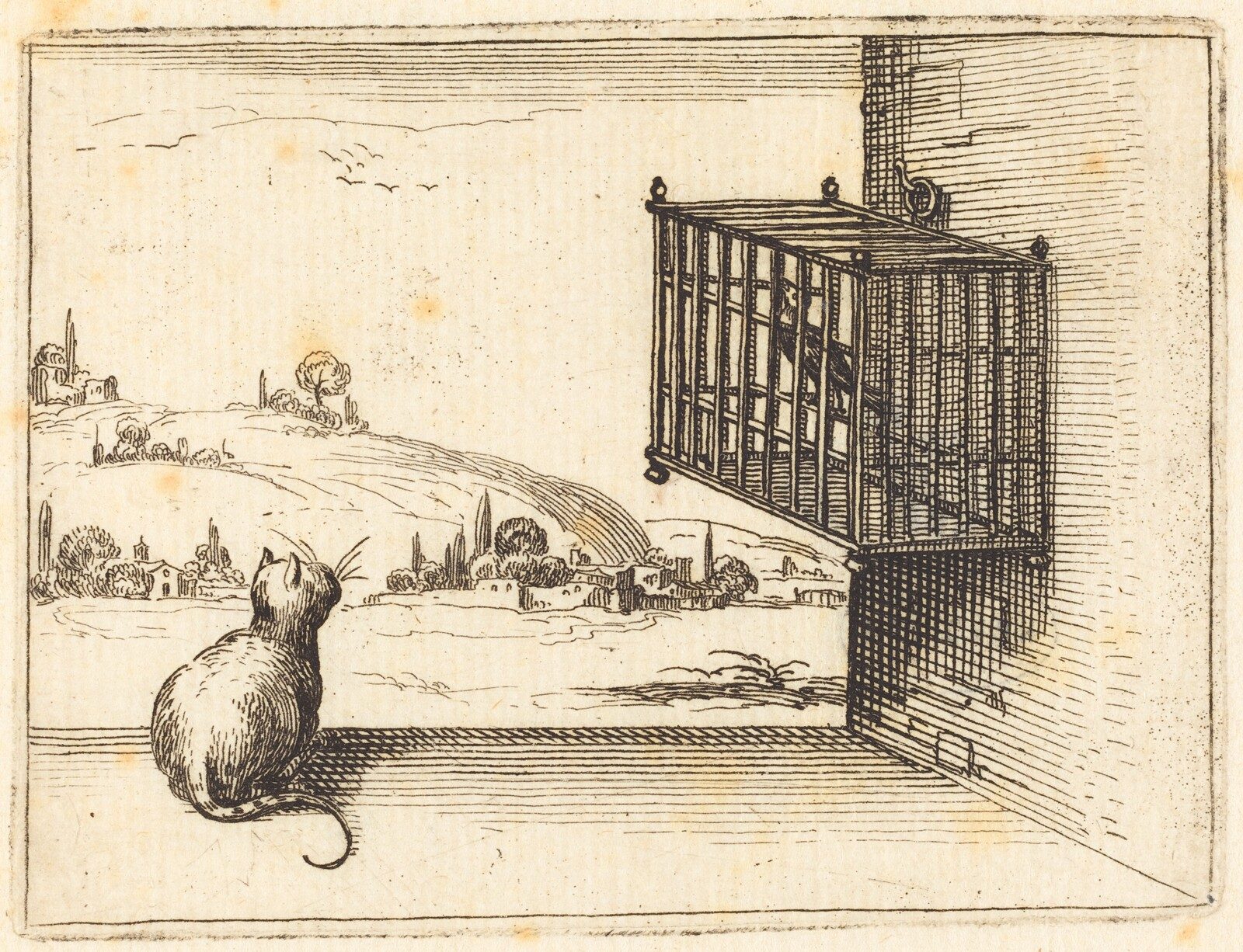
Cat Watching Caged Bird
Jacques Callot
1628
National Gallery of ArtPublic domain
Jacques Callot etched this hopeful cat in 1628, staring up at a caged bird just out of reach.
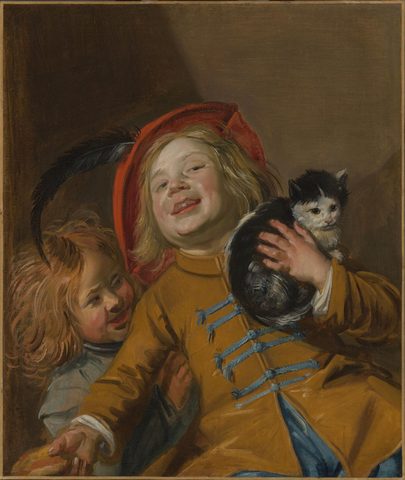
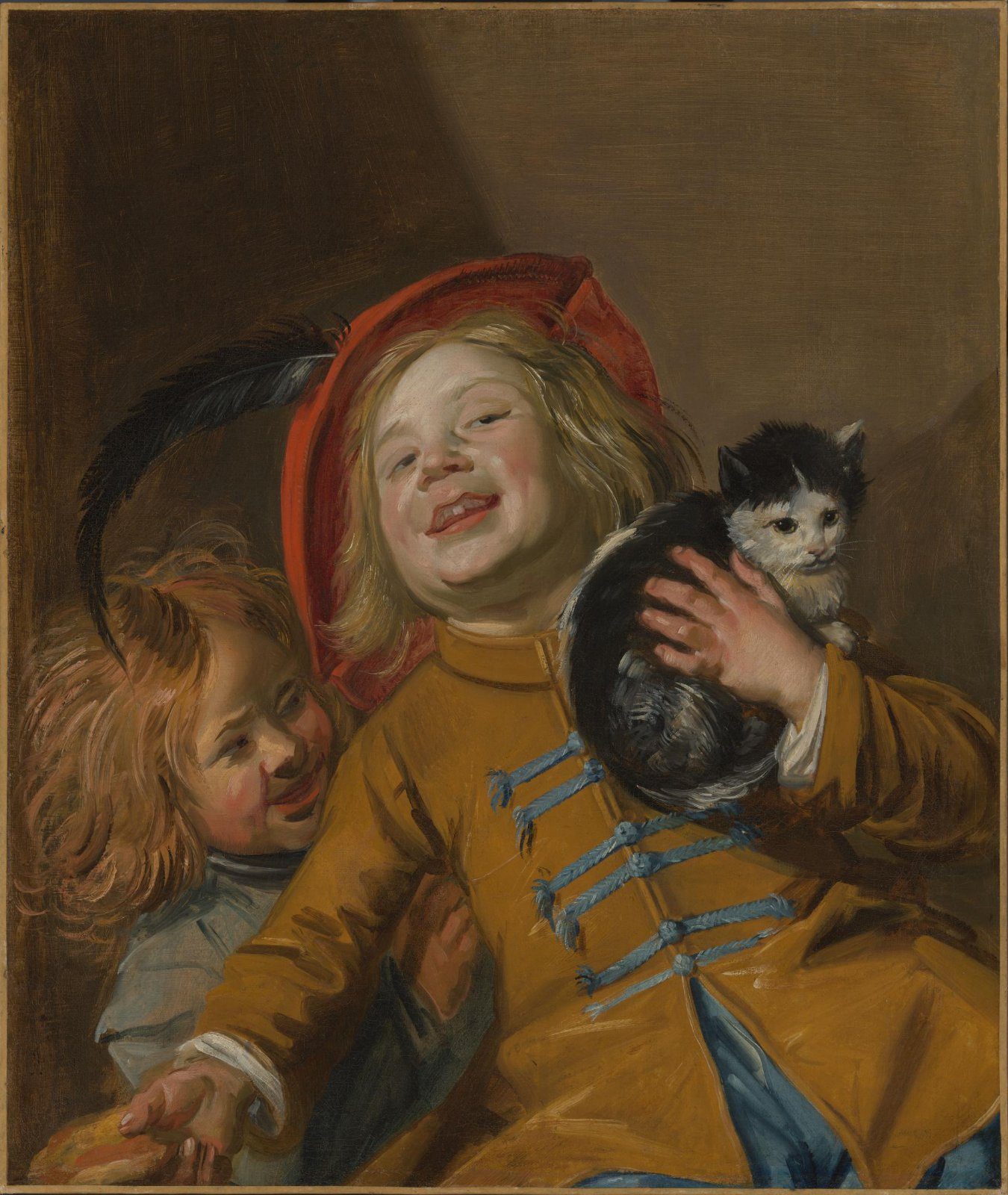
Two Children with a Cat
Judith Leyster
c. 1630
RijksmuseumPublic domain
Judith Leyster painted these two laughing children around 1630, and the kitten looks far less sure about the joke.
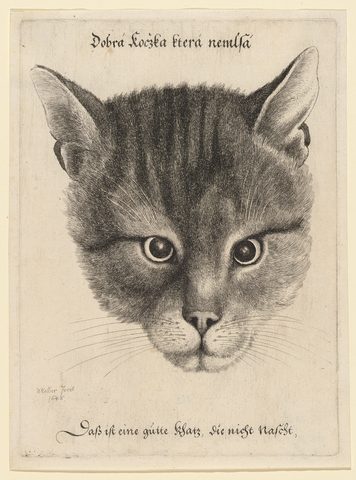
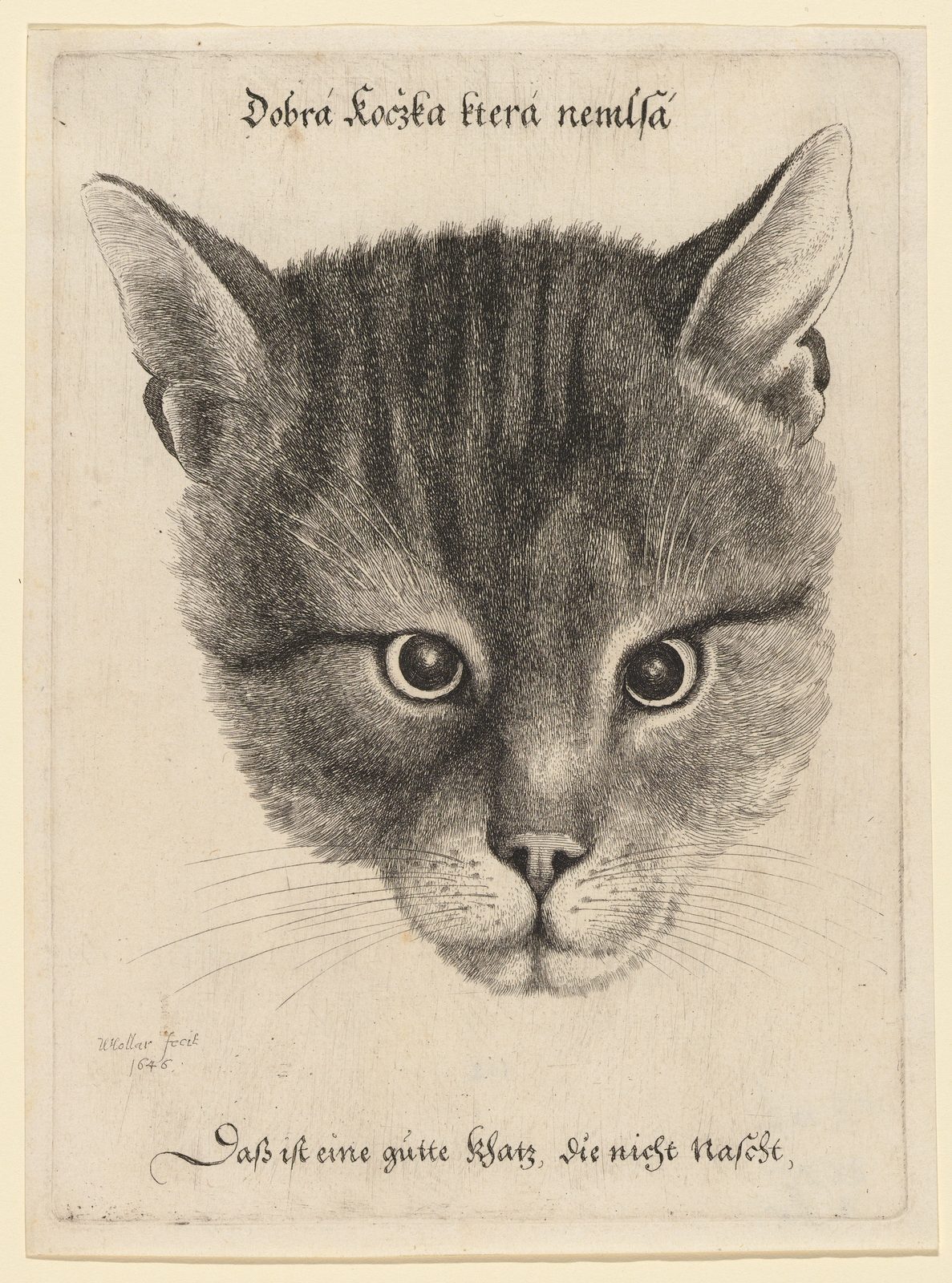
Head of a Cat (Middle Size)
Wenceslaus Hollar
1646
The MetCC0
Wenceslaus Hollar etched this wide-eyed cat in 1646; the German line underneath praises a good cat that does not sneak treats.
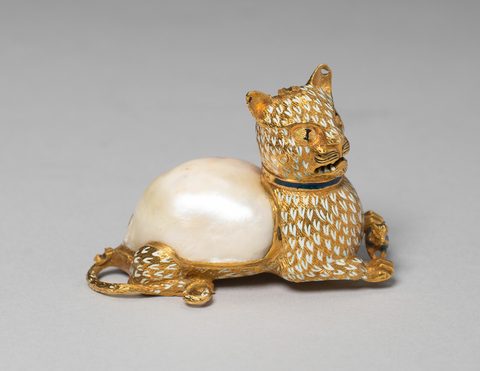
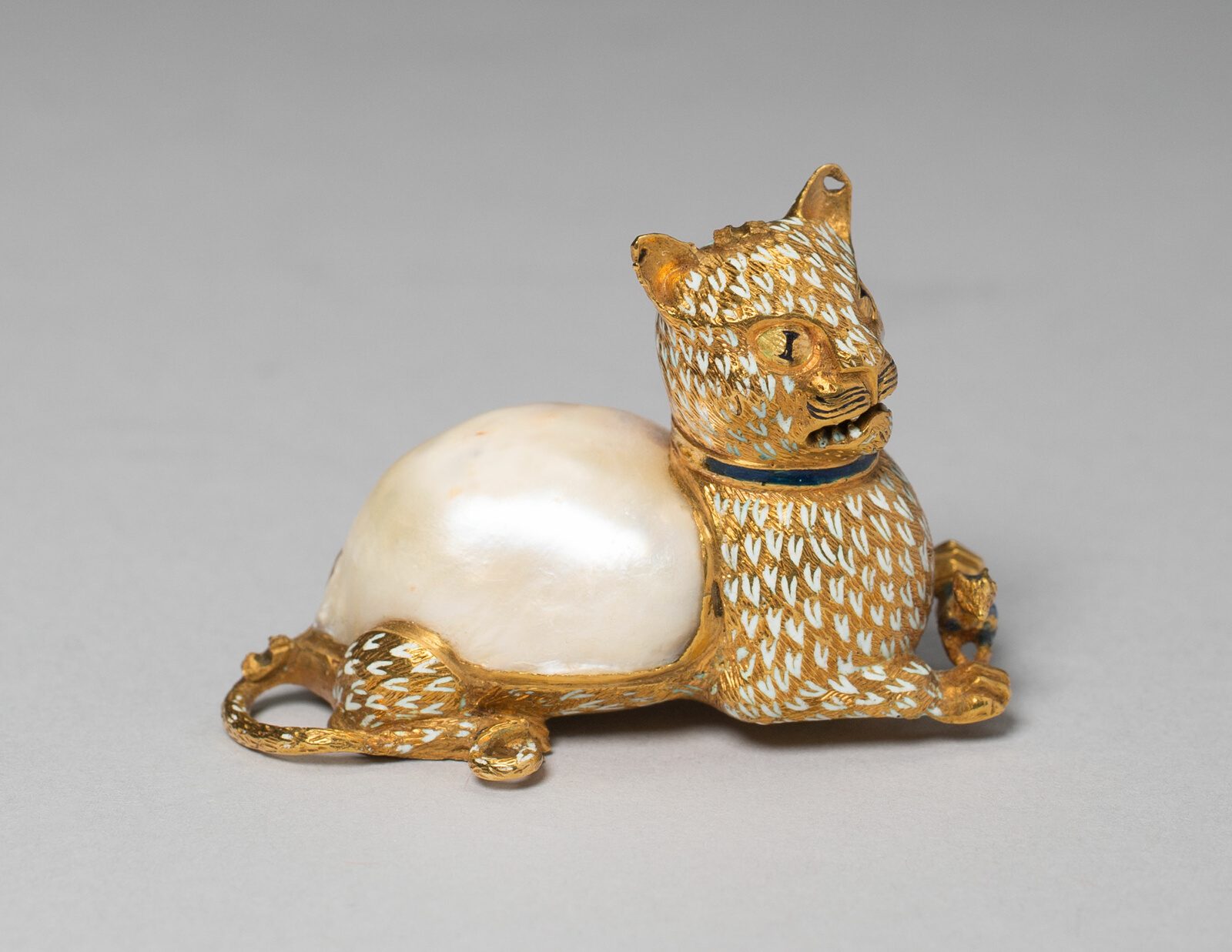
Baroque Pearl Mounted as a Cat Holding a Mouse
Spanish or south German
17th century
A 17th century jewel from Spain or south Germany turns a lumpy baroque pearl into a cat's body, complete with a gold head and a mouse to catch.
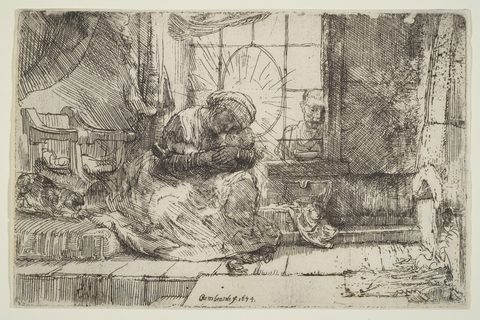
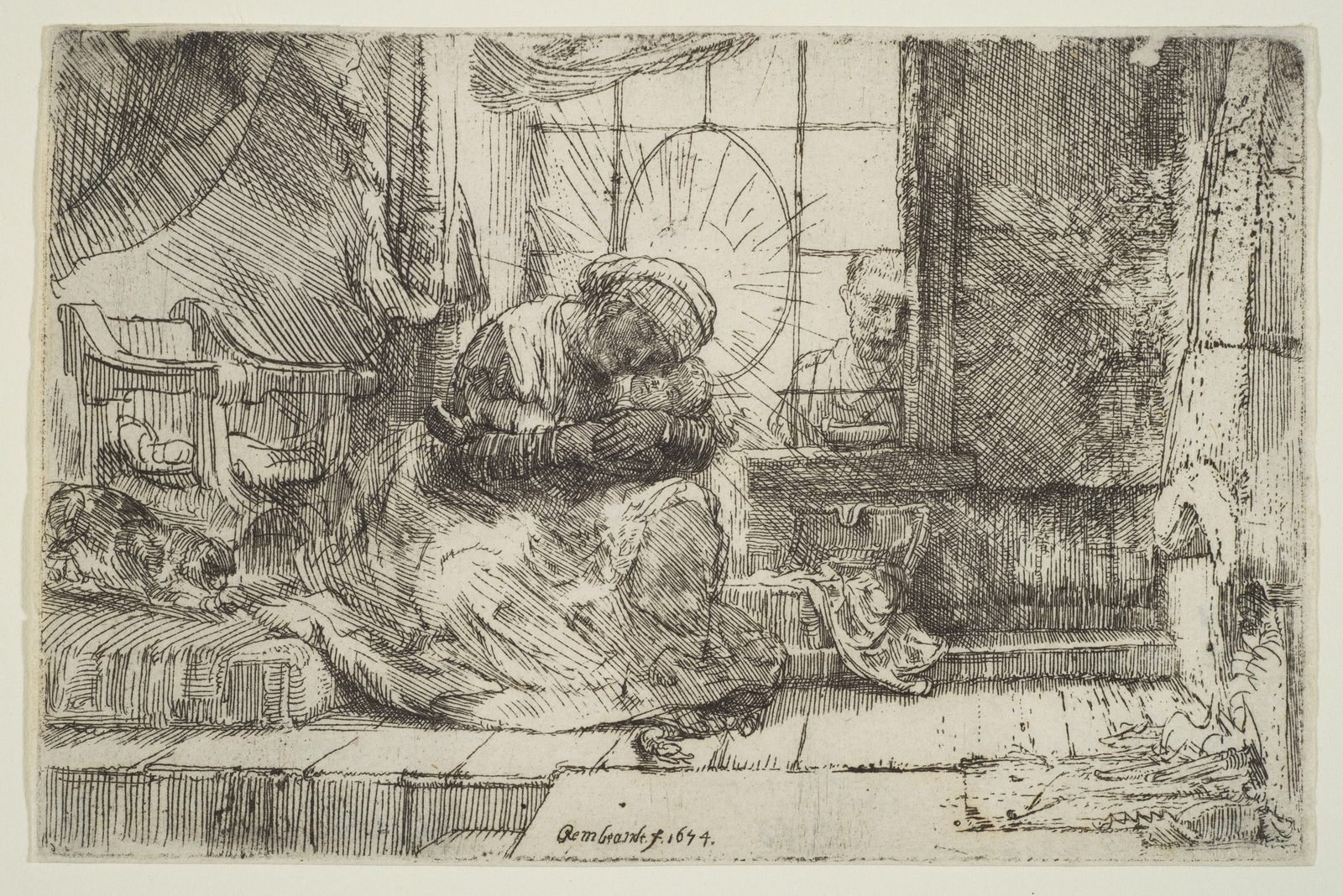
Virgin and Child with the Cat: and Joseph at the Window
Rembrandt (Rembrandt van Rijn)
1654
The MetCC0
Rembrandt etched this quiet family scene in 1654, and the title makes sure the cat gets billing right alongside Joseph.
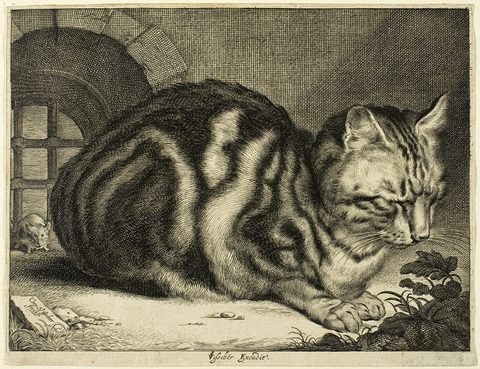
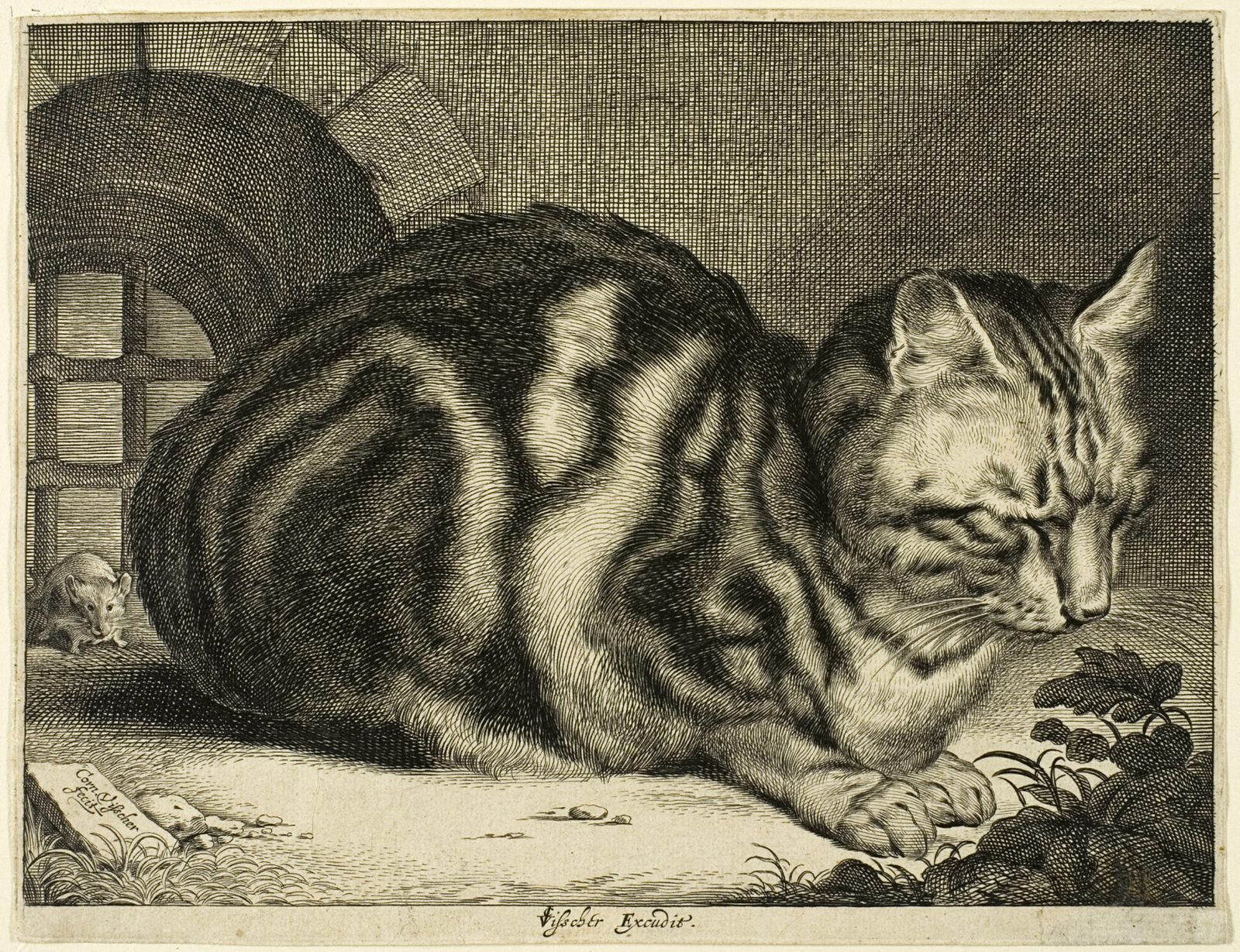
The Large Cat
Cornelis Visscher
1657
Cornelis Visscher's The Large Cat of 1657 looks half asleep, but the mouse peeking out at the left might want to think twice.
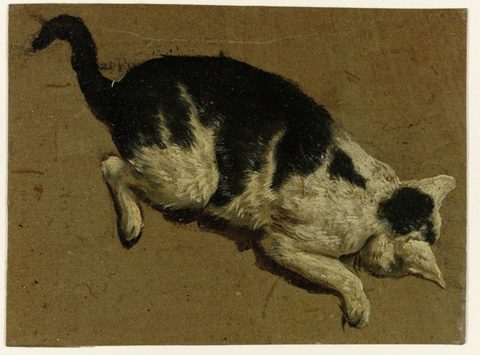
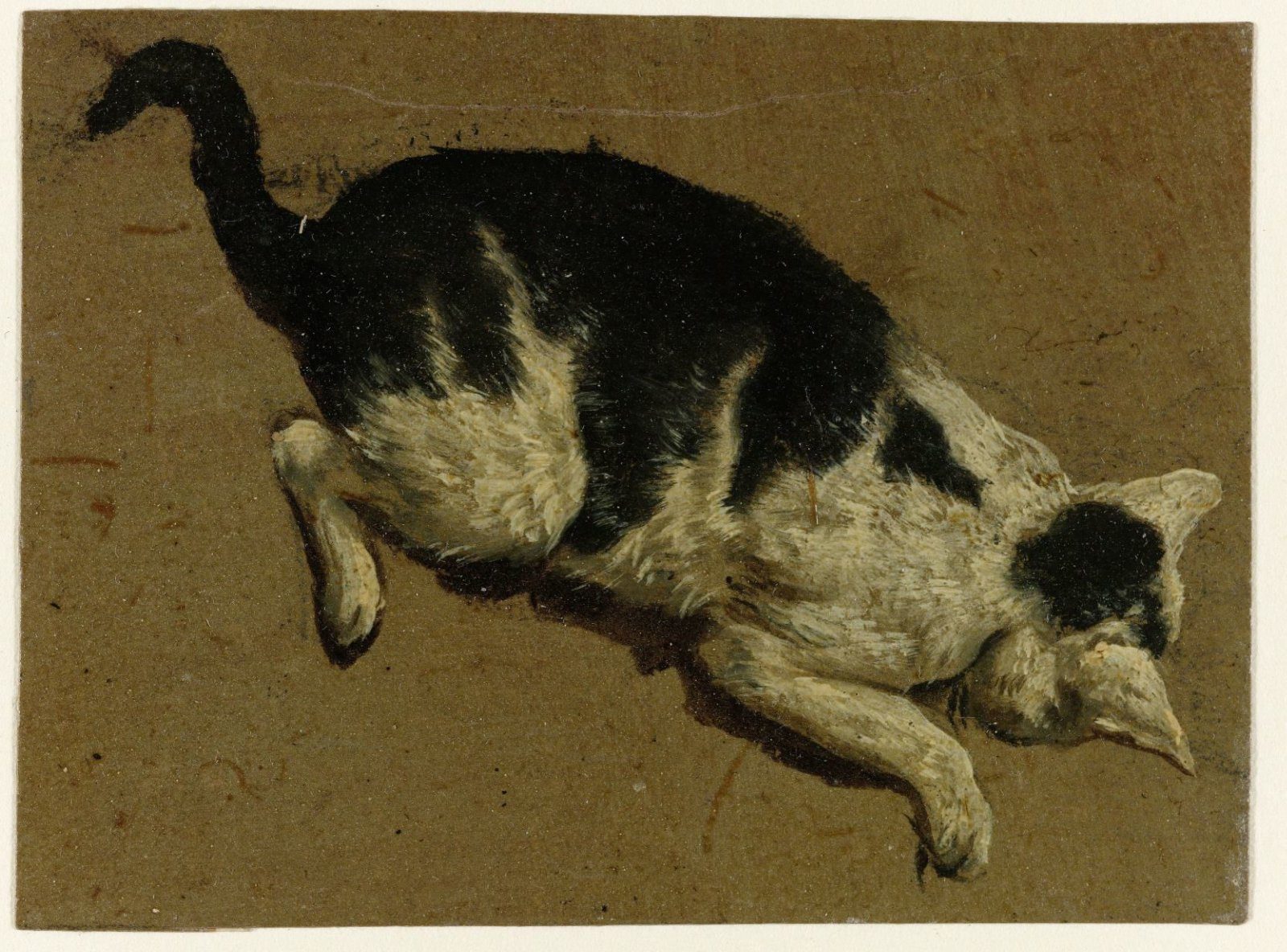
Kat vanaf een verhoging naar beneden kijkendIn English: Cat looking down from a ledge
attributed to Adriaen van de Velde
1646 - 1672
RijksmuseumPublic domain
Attributed to Adriaen van de Velde, this oil sketch of a cat peering down from a ledge captures the classic should-I-jump moment.
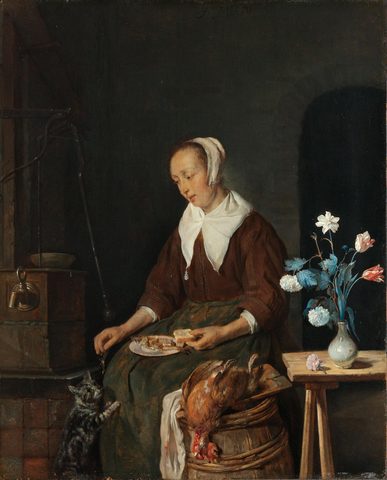
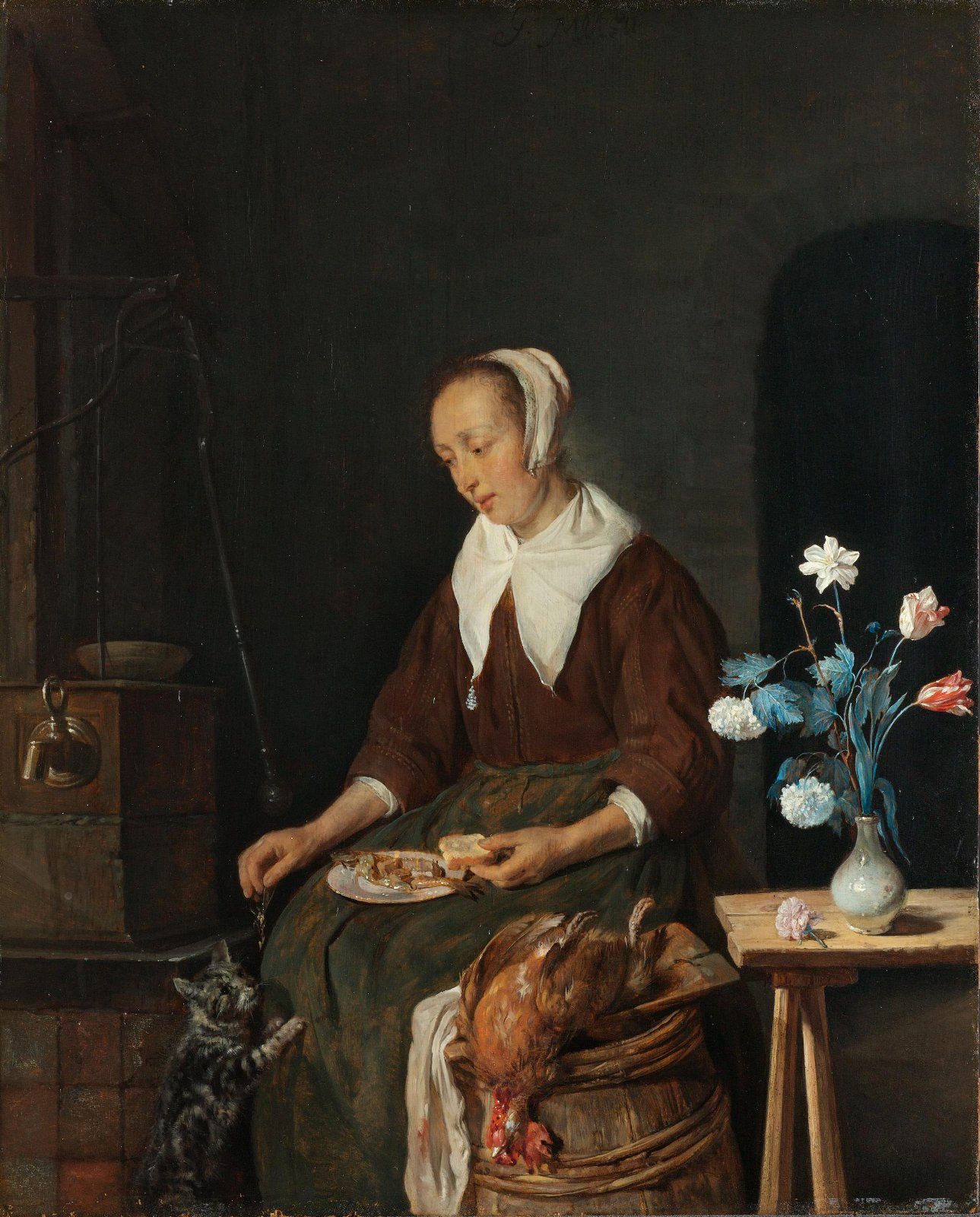
Woman Eating, Known as ‘The Cat’s Breakfast’
Gabriël Metsu
c. 1661 - c. 1664
RijksmuseumPublic domain
Gabriël Metsu's painting from about 1661 to 1664 is known as The Cat's Breakfast, and the tabby standing on its hind legs knows exactly why.
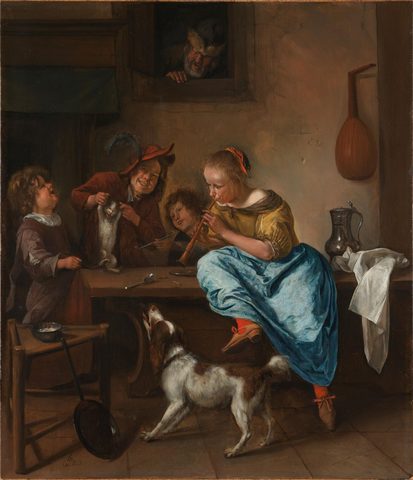
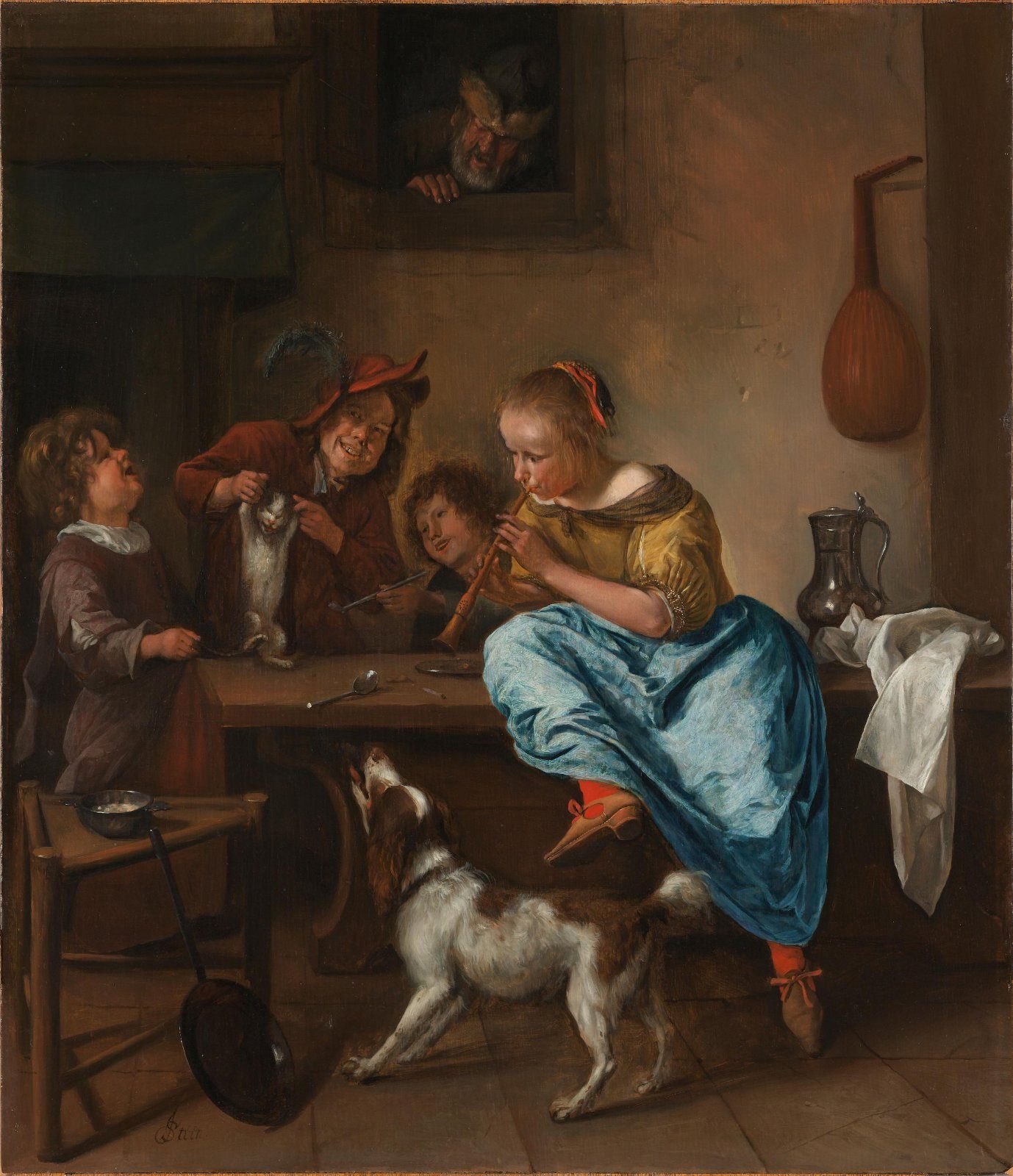
Children Teaching a Cat to Dance, Known as The Dancing Lesson
Jan Havicksz. Steen
1660 - 1679
RijksmuseumPublic domain
Jan Steen painted these children teaching a cat to dance, and the cat does not look like it signed up for lessons.
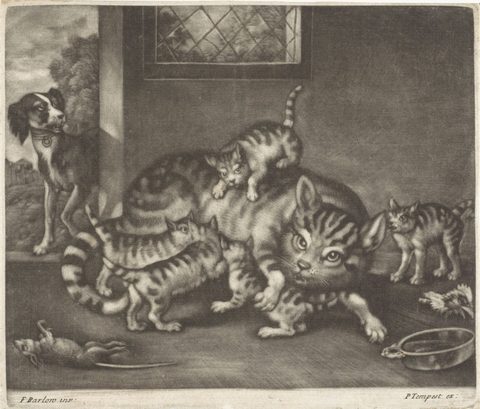
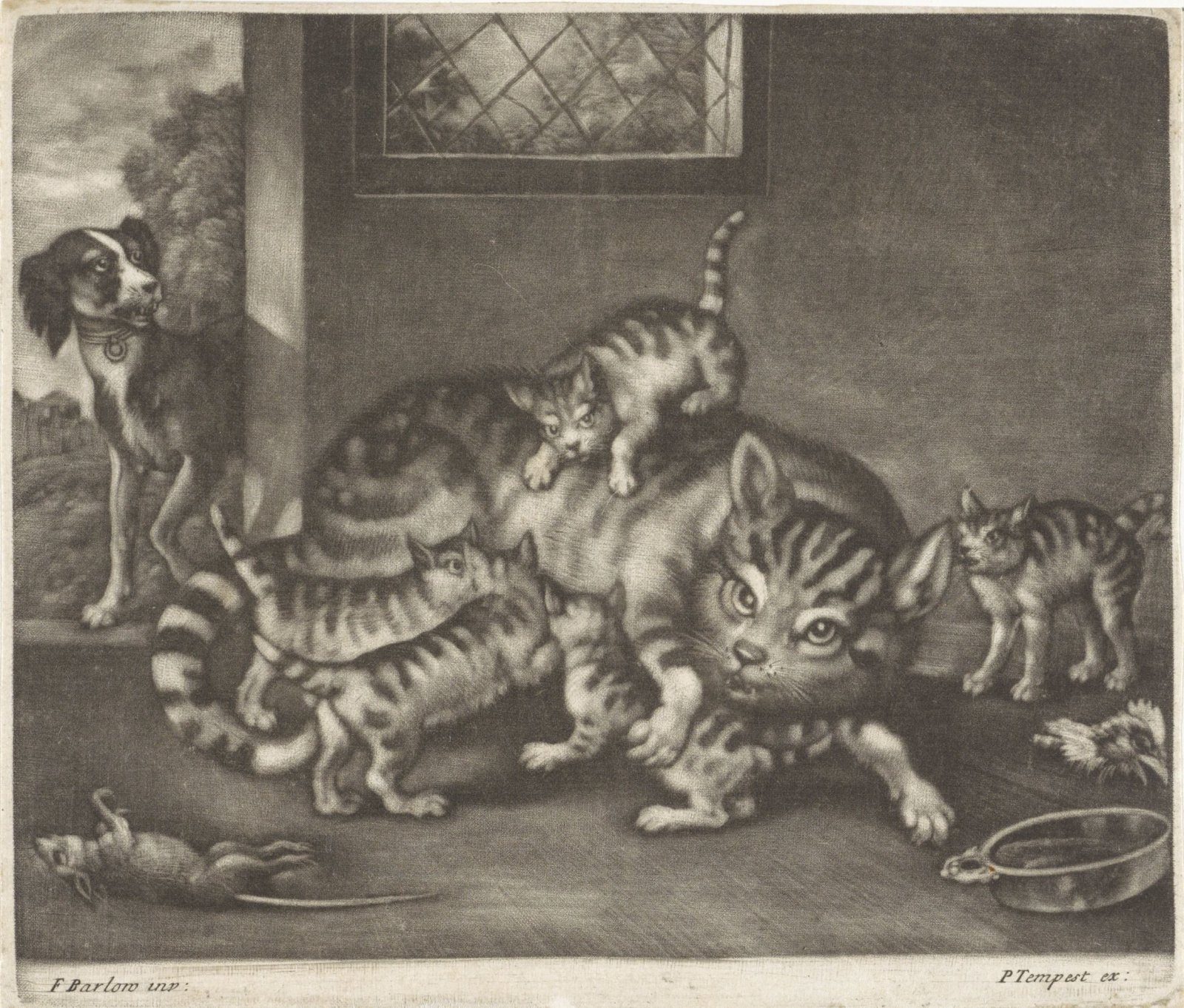
Poes met vijf jongenIn English: Cat with five young
Jan Griffier (I)
1667 - 1717
RijksmuseumPublic domain
Poes met vijf jongen means Cat with five young, and in this mezzotint by Jan Griffier the kittens are climbing everywhere.
Cats in the 1700s
A porcelain snuffbox and an enamel sweets box shaped like cats, Gainsborough's chalk studies, Chardin's still life with a cat eyeing the game, Hogarth's struggling poet and color prints of cats at home.
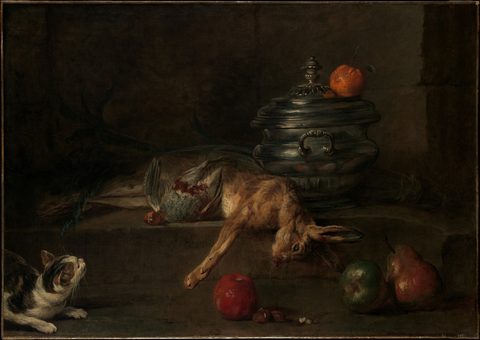
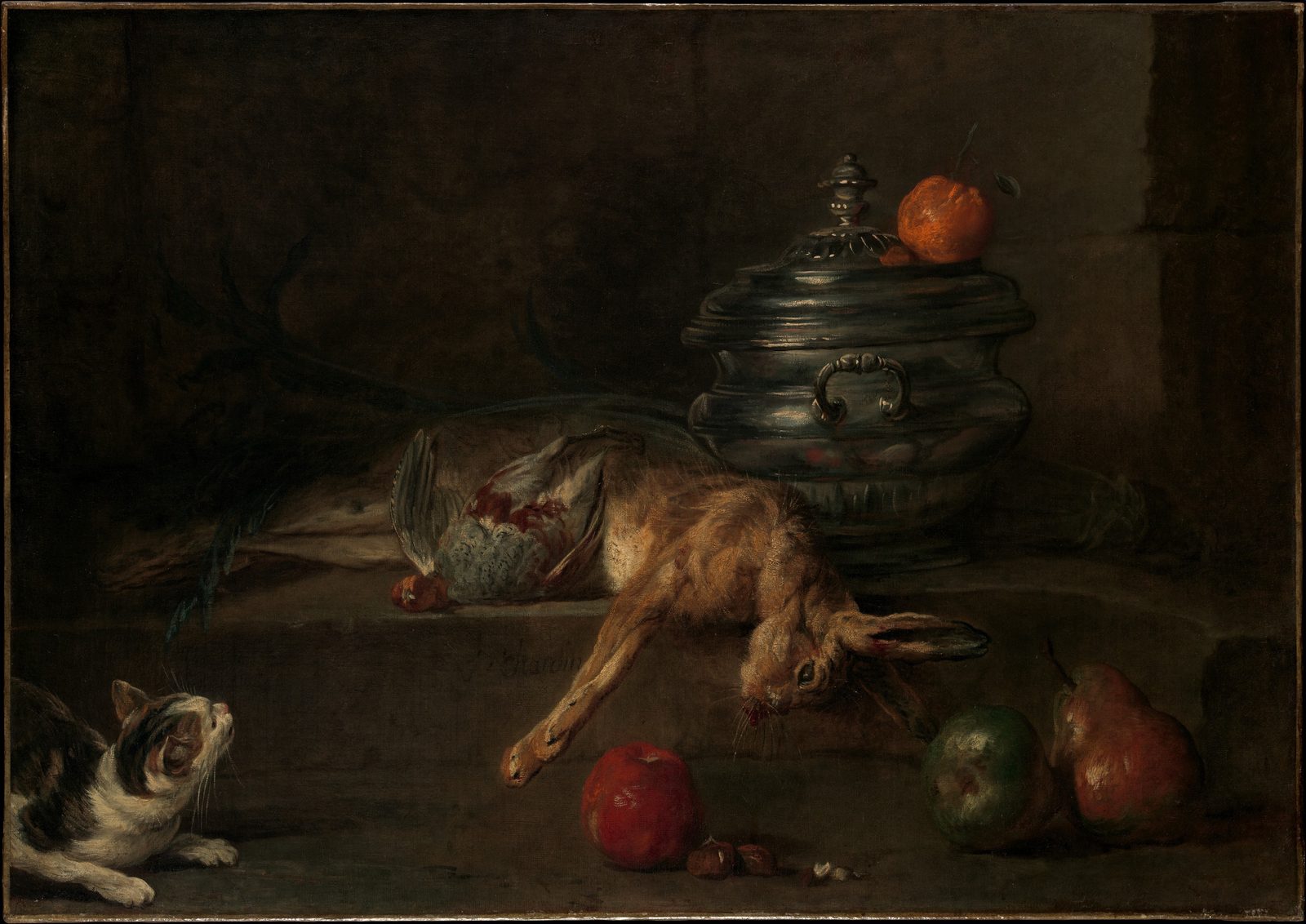
The Silver Tureen
Jean Siméon Chardin
ca. 1728-30
The MetCC0
In Jean Siméon Chardin's still life from about 1728 to 1730, a cat crouches at the edge and stares up at the hare and game bird.
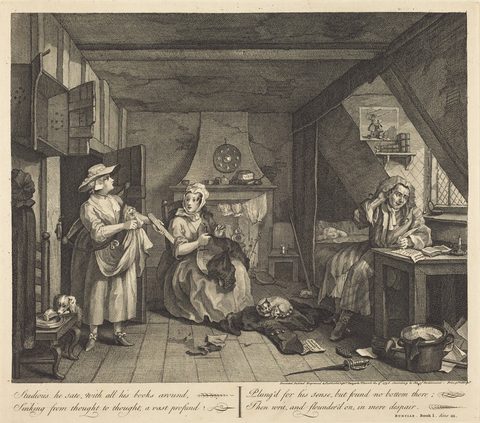
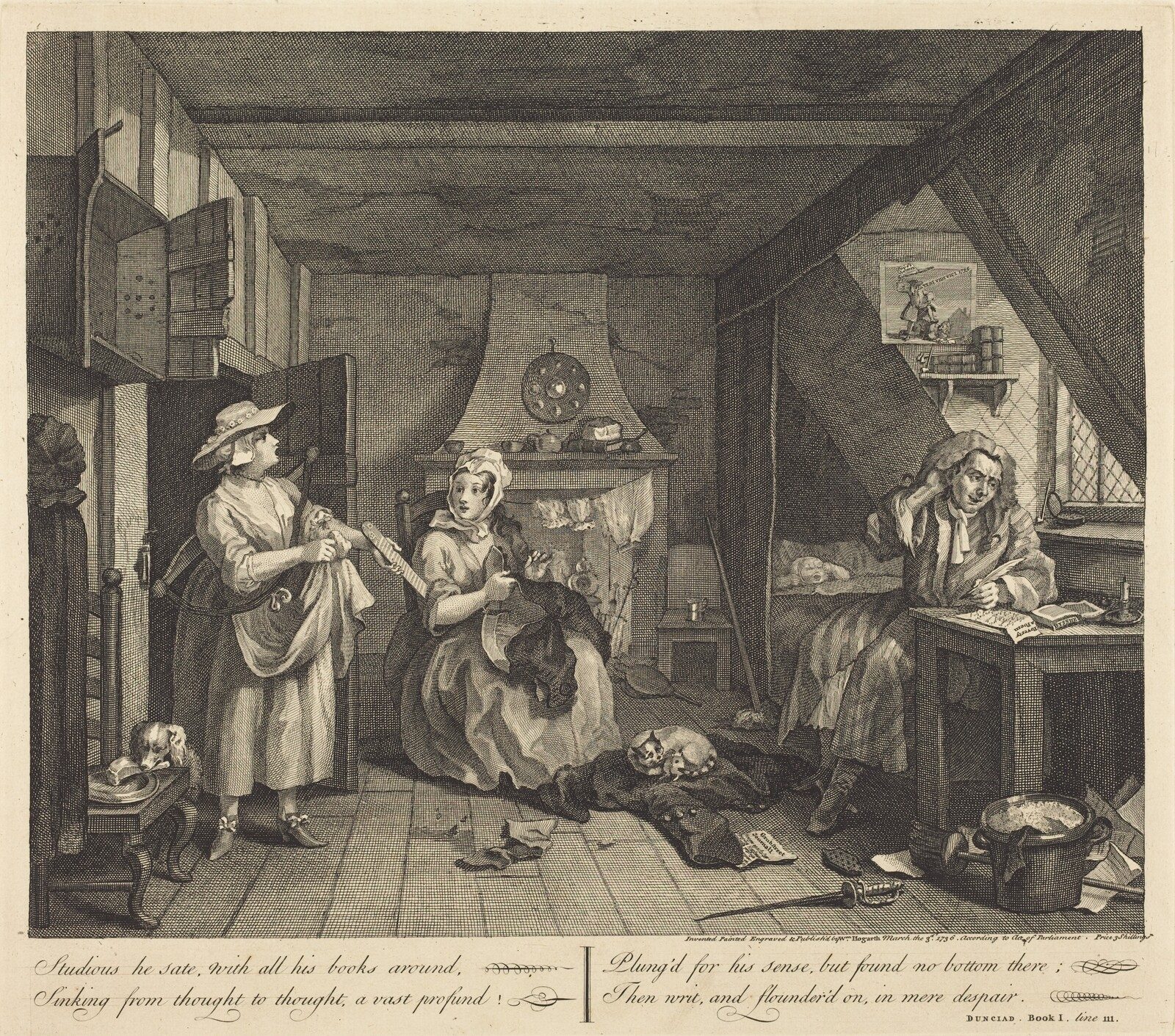
The Distressed Poet
William Hogarth
1736/1737
National Gallery of ArtPublic domain
William Hogarth's Distressed Poet of 1736 to 1737 is stuck for words, but the cat napping on the floor looks perfectly content.
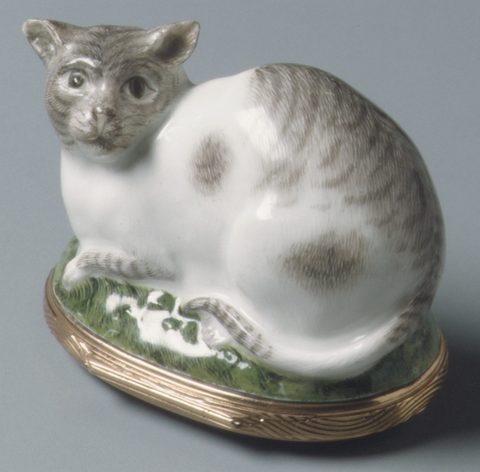
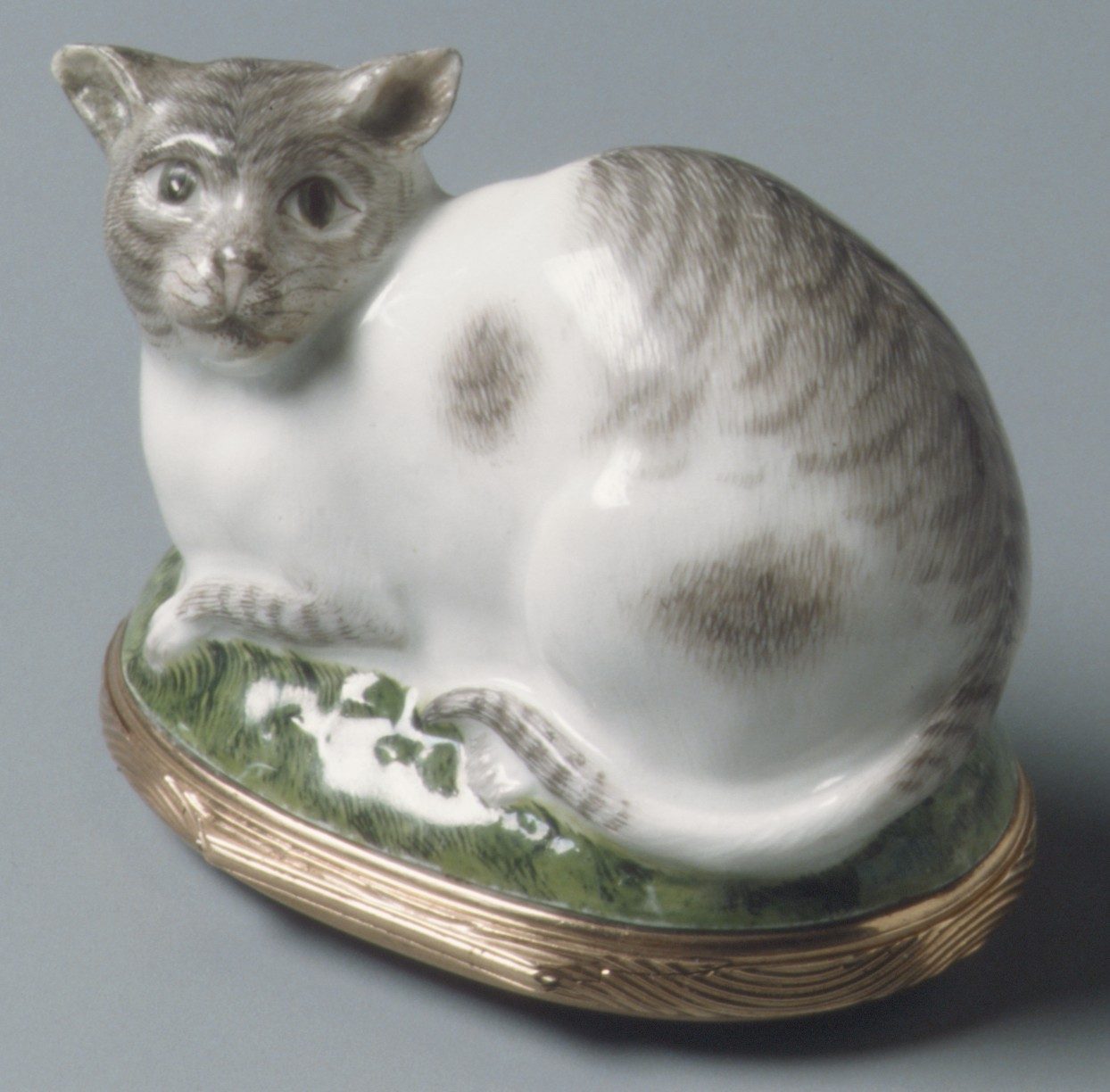
Snuffbox in the form of a cat
Meissen Manufactory
ca. 1745
The MetCC0
Meissen turned a lounging gray and white cat into a porcelain snuffbox around 1745, finished with gold.
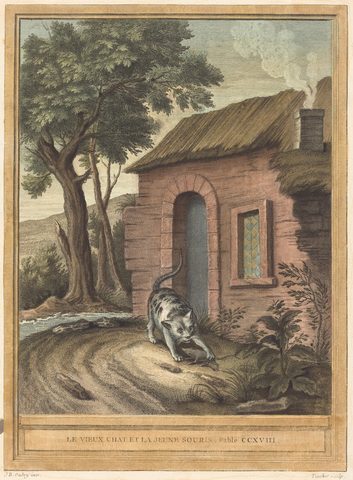
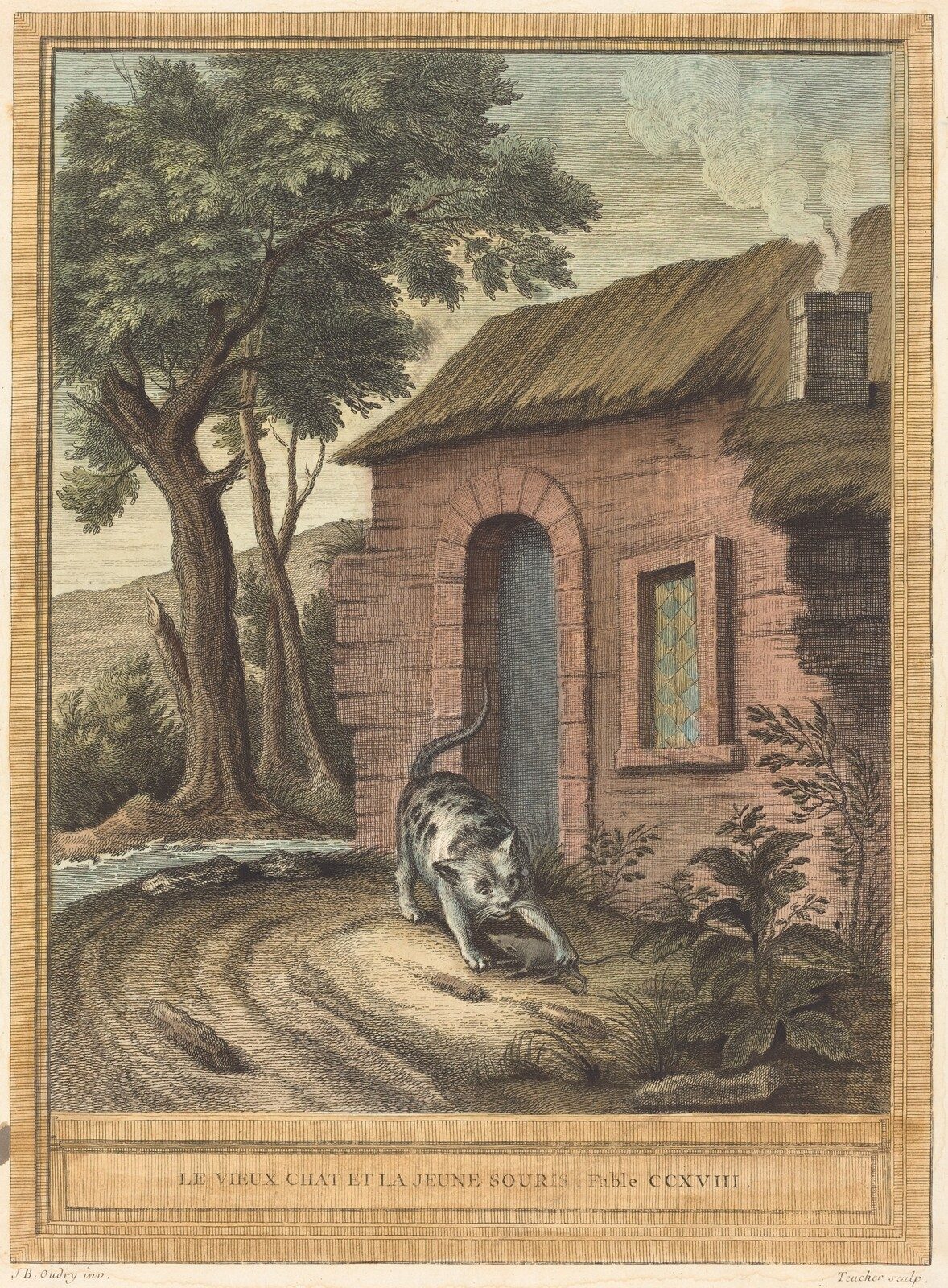
Le vieux chat et la jeune Souris (The Old Catand the Young Mouse)
Johann Christoph Teucher after Jean-Baptiste Oudry
published 1759
National Gallery of ArtPublic domain
Johann Christoph Teucher etched this fable scene after Jean-Baptiste Oudry, published in 1759, and things look bad for the young mouse.
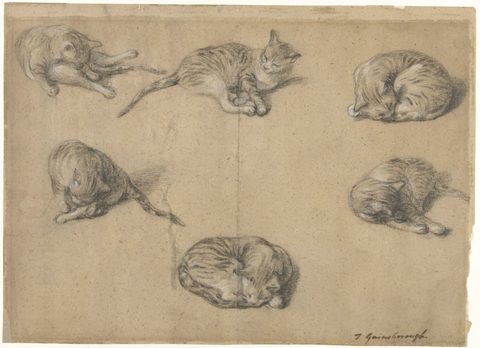
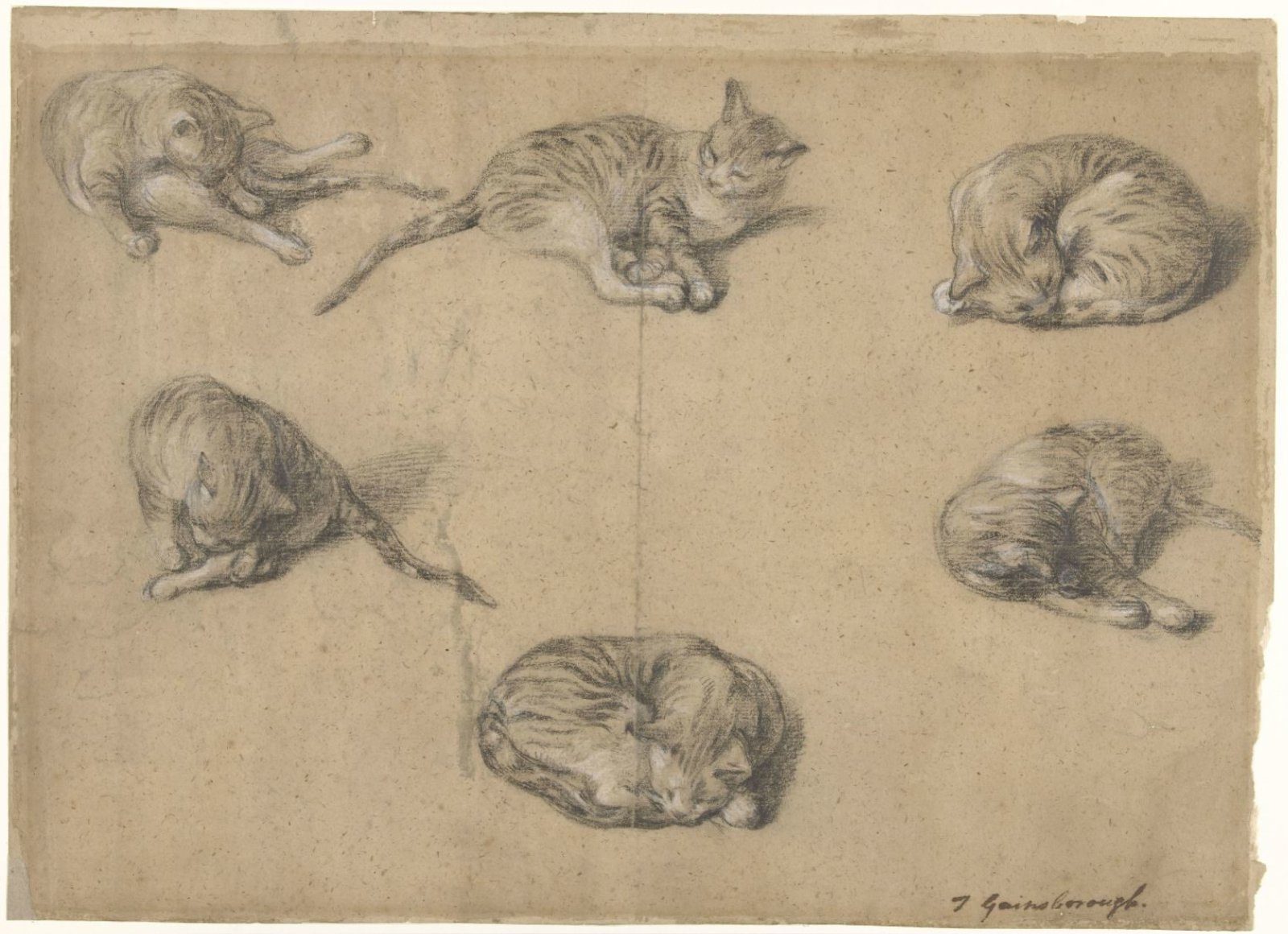
Six Studies of a Cat
Thomas Gainsborough
c. 1763 - c. 1769
RijksmuseumPublic domain
Thomas Gainsborough filled this sheet with six studies of a cat in black and white chalk, from sprawled out to curled up tight.
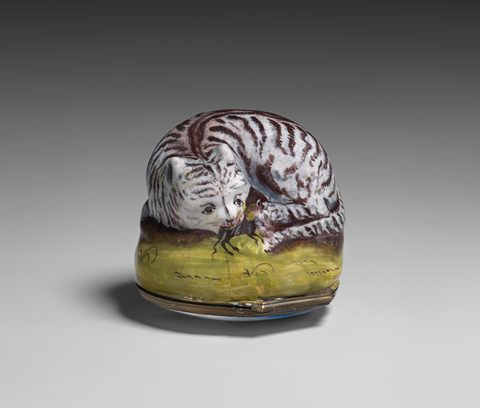
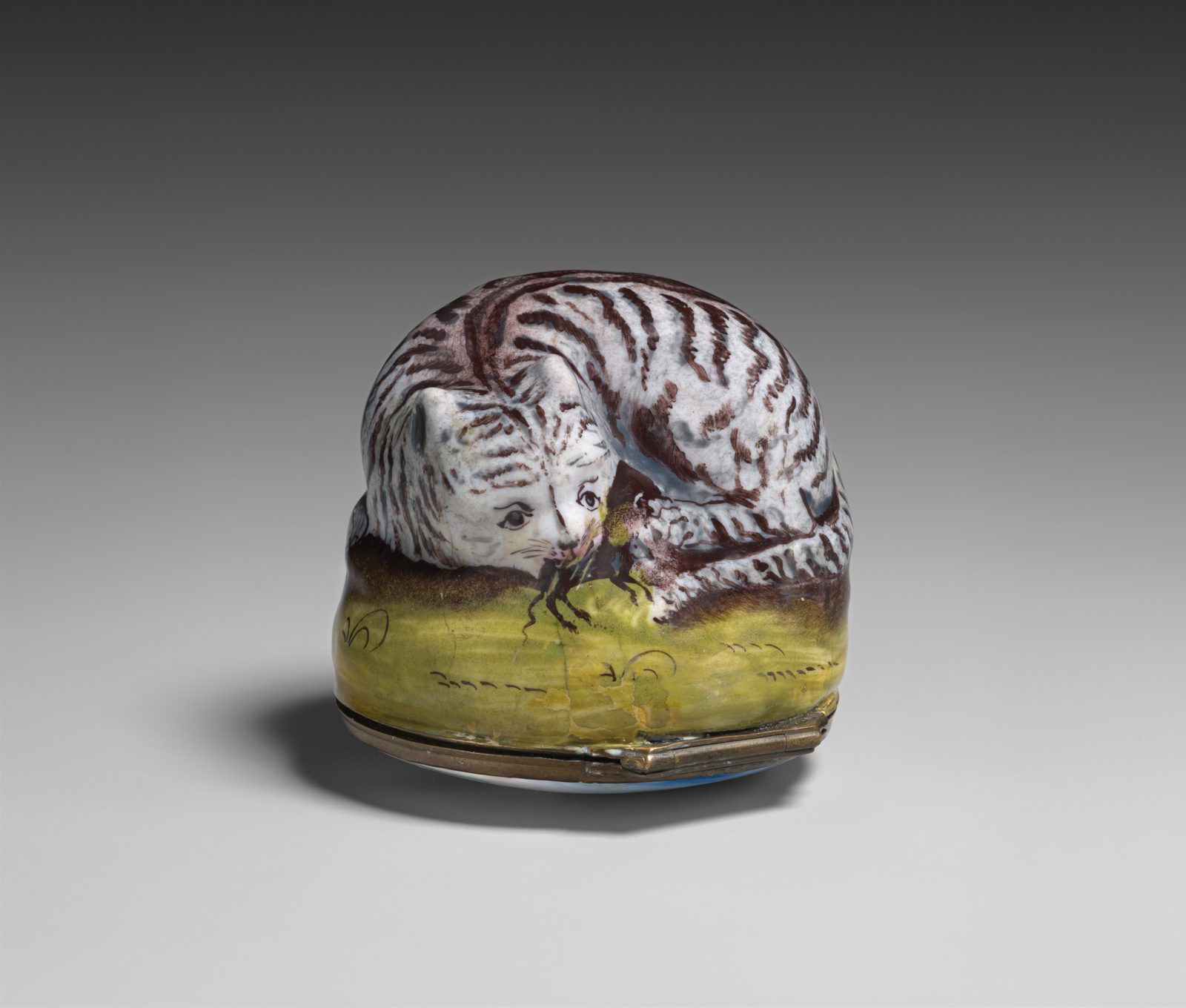
Bonbonnière in the form of a tabby cat
Unknown maker
ca. 1770-80
The MetCC0
This bonbonniere, a little box for sweets, is a curled-up tabby in painted enamel on copper from about 1770 to 1780.
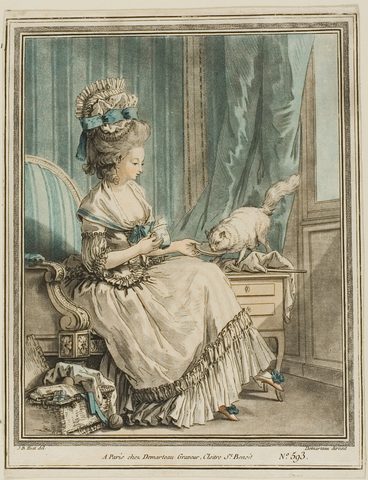
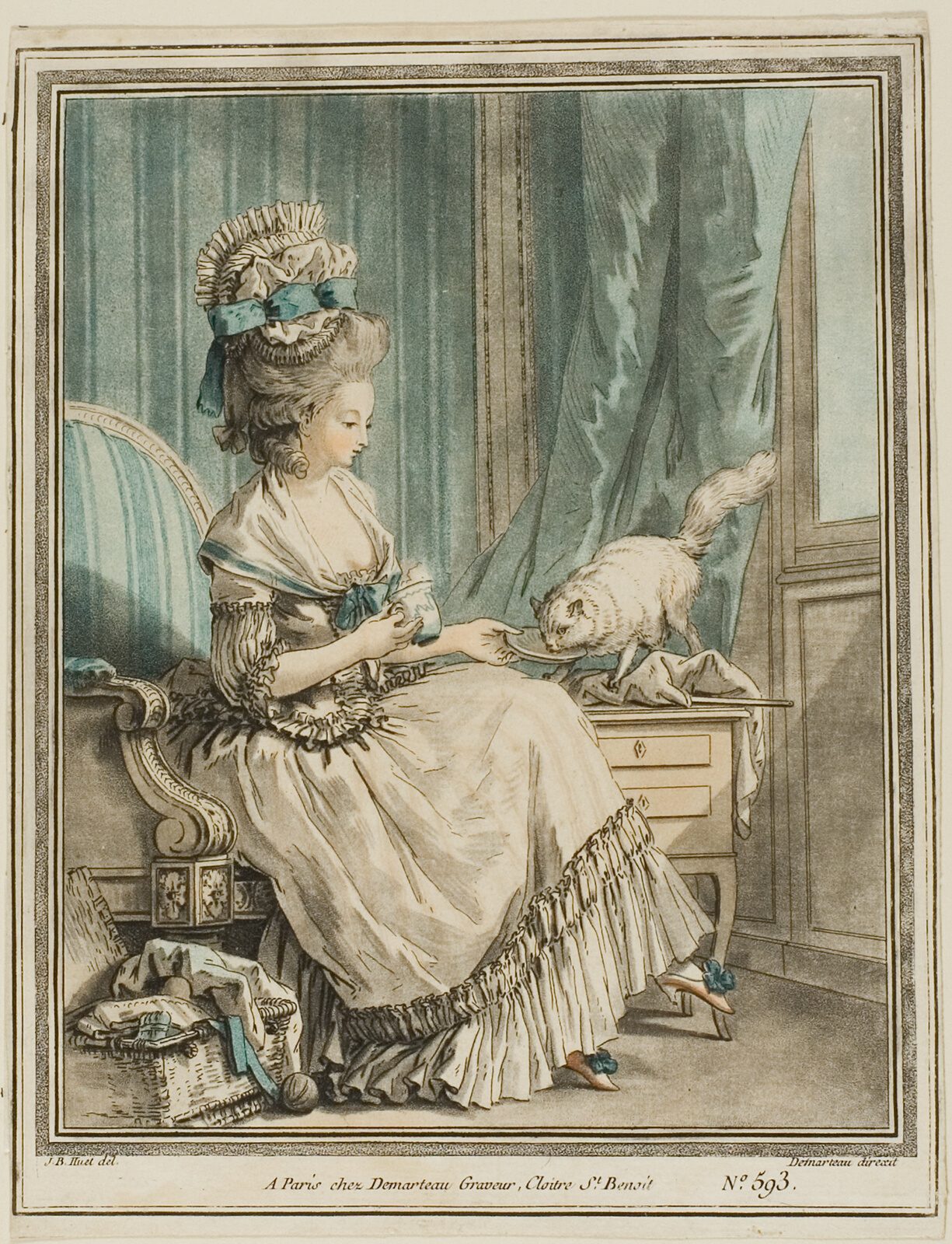
The Cat's Repast
Gilles Antoine Demarteau, the Younger
1778/79
In The Cat's Repast, a 1778 to 1779 print by Gilles Antoine Demarteau after Jean-Baptiste Huet, a fluffy cat gets served from a dish like royalty.
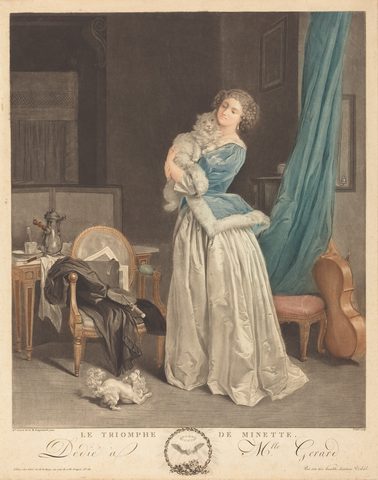
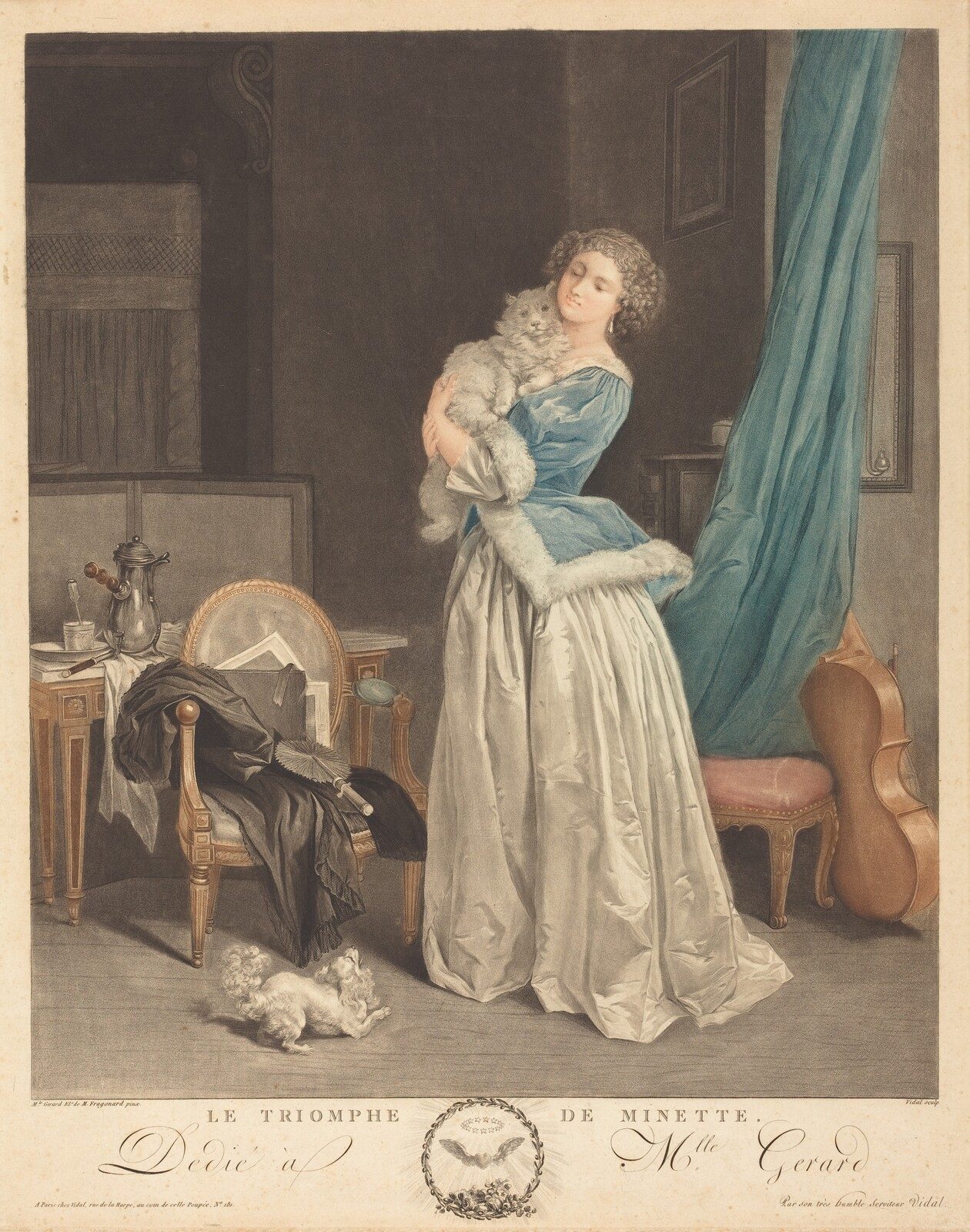
Le Triomphe de Minette (Triumph of Minette)
Gérard Vidal after Marguerite Gérard
1786
National Gallery of ArtPublic domain
The Triumph of Minette, a 1786 color print after Marguerite Gérard, shows a fluffy cat held high in its owner's arms, safe from the little dog below.
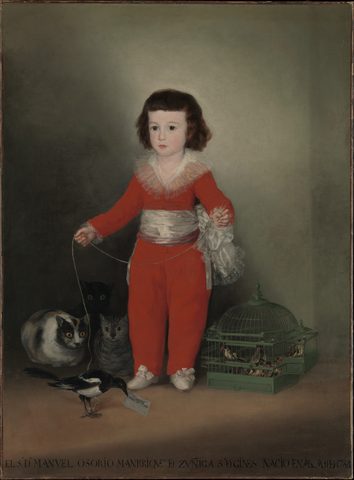
Manuel Osorio Manrique de Zuñiga (1784-1792)
Goya (Francisco de Goya y Lucientes)
1787-88
The MetCC0
Goya painted young Manuel Osorio in 1787 to 1788 with a bird on a string, and three cats who clearly have other plans for it.
Cats in the 1800s
Jean Bernard's chalk cat seen from behind, Henriëtte Ronner's cat family, Renoir's woman holding a tabby, Manet's rooftop meeting, Beardsley's black cat for Poe and Steinlen's poster for the Compagnie du Chat Noir.
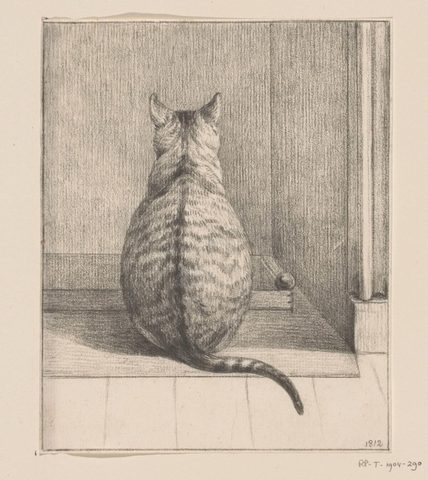
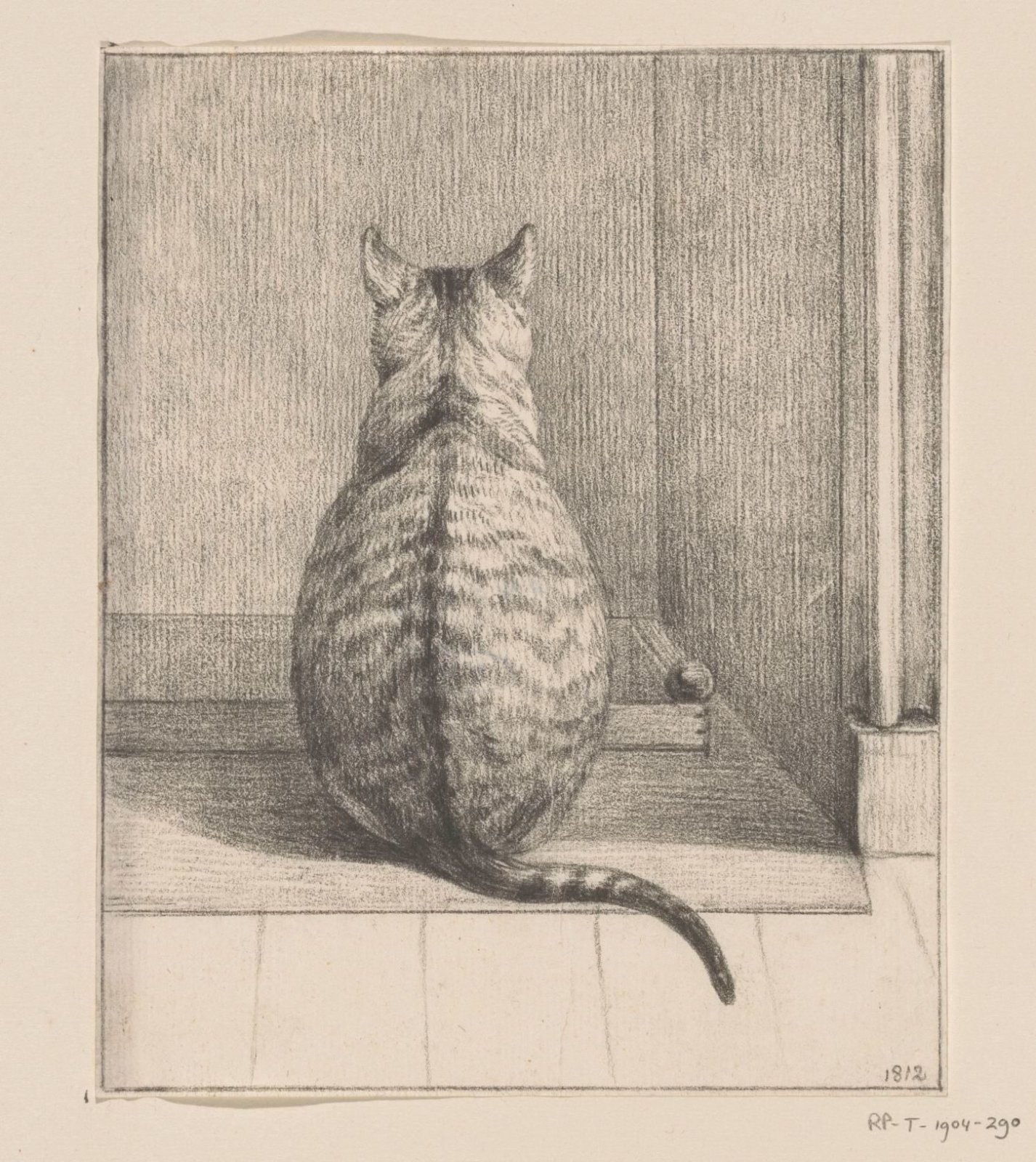
Zittende kat, van achterenIn English: Seated cat, seen from behind
Jean Bernard
1812
RijksmuseumPublic domain
Jean Bernard drew this tabby from behind in black chalk in 1812, and the year sits right there in the corner.
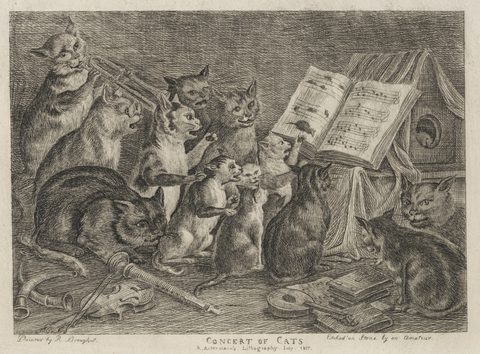
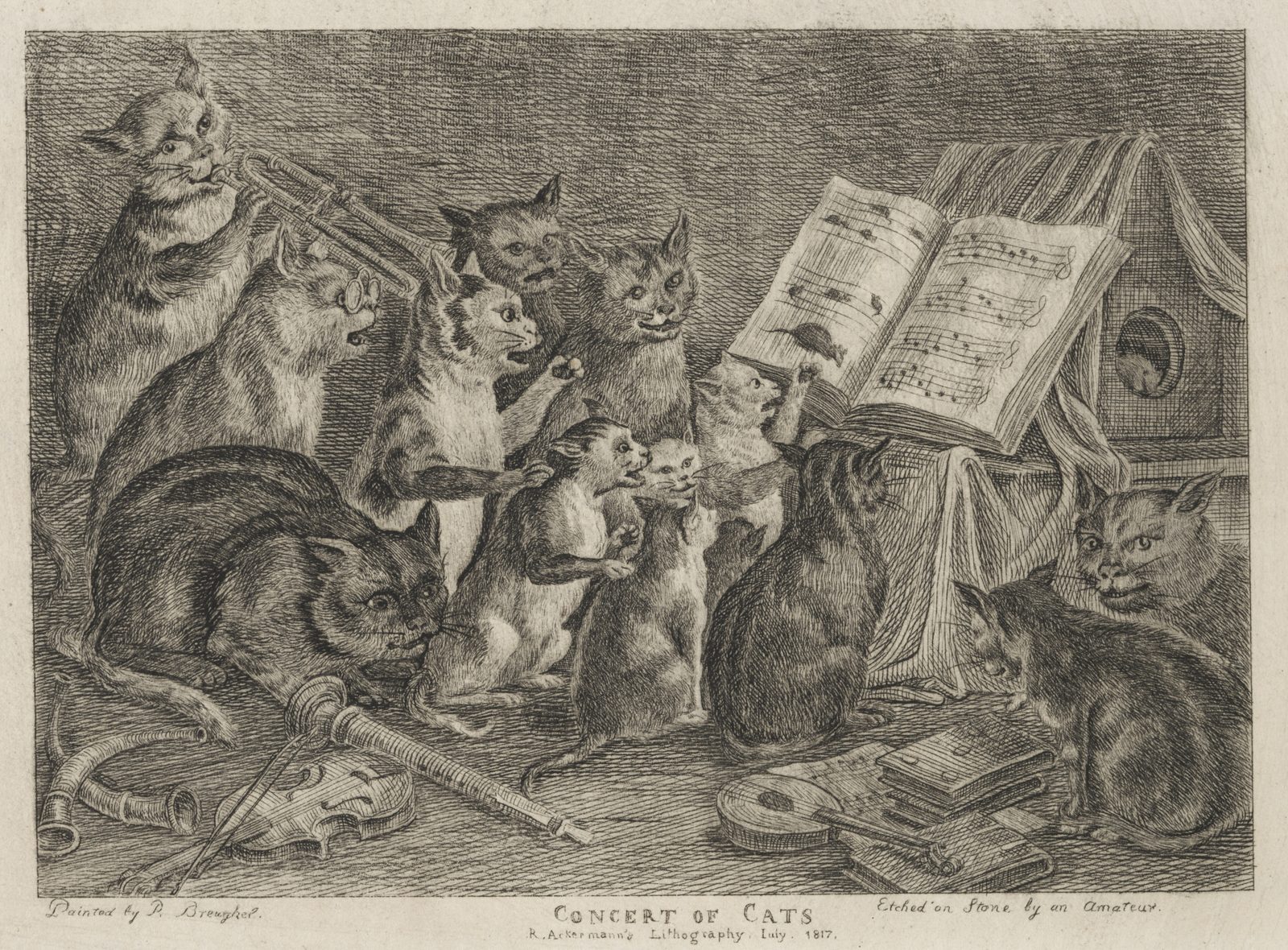
Concert of Cats
Rudolph Ackermann
1817
Rudolph Ackermann's 1817 Concert of Cats packs a whole choir of singing cats around one songbook.
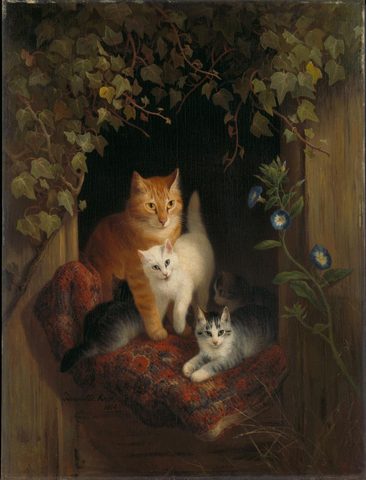
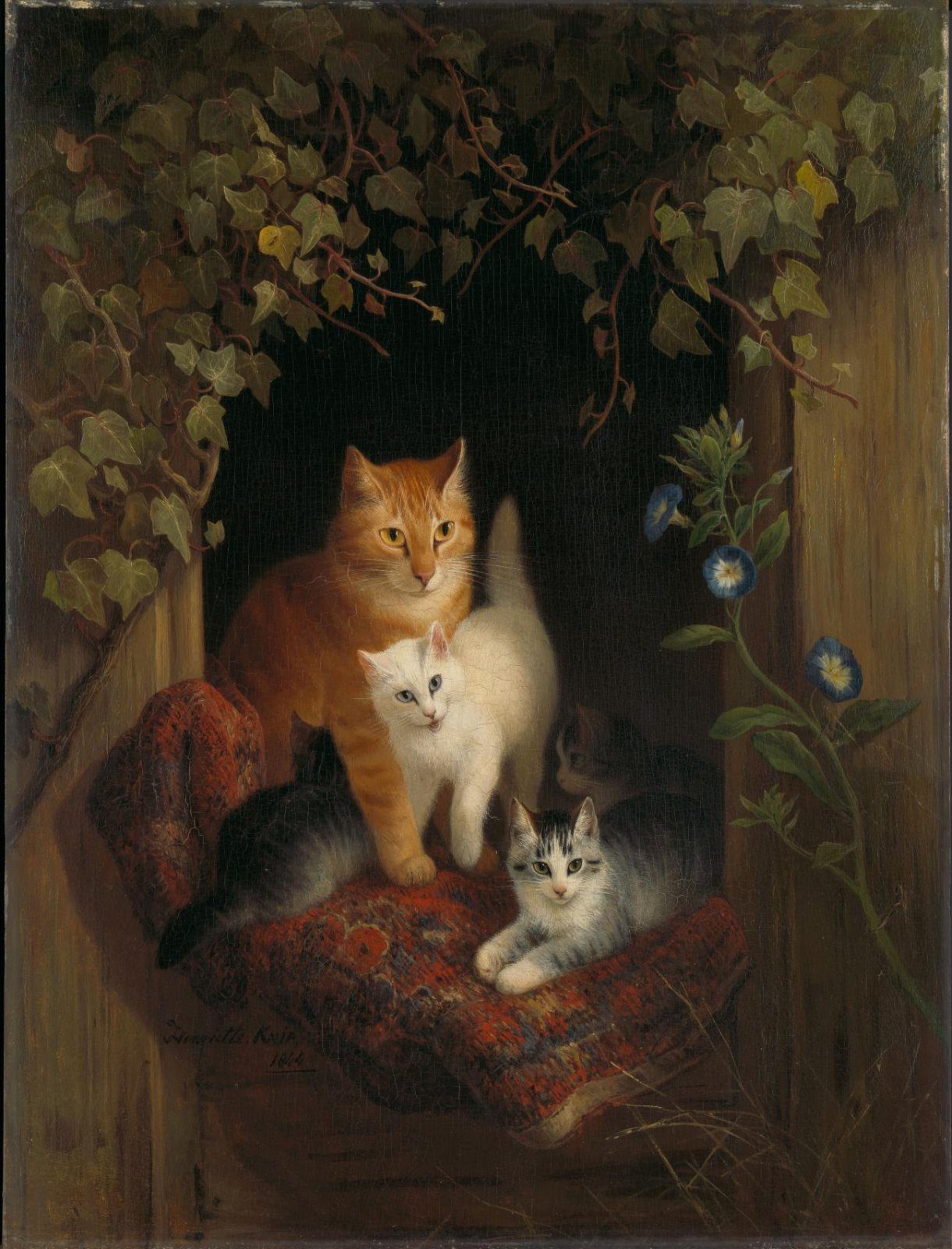
Cat with Kittens
Henriëtte Ronner
1844
RijksmuseumPublic domain
Henriëtte Ronner painted this cat family on a cushion in 1844, framed by ivy and blue blossoms.
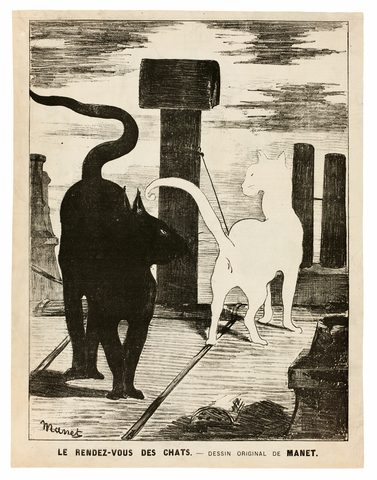
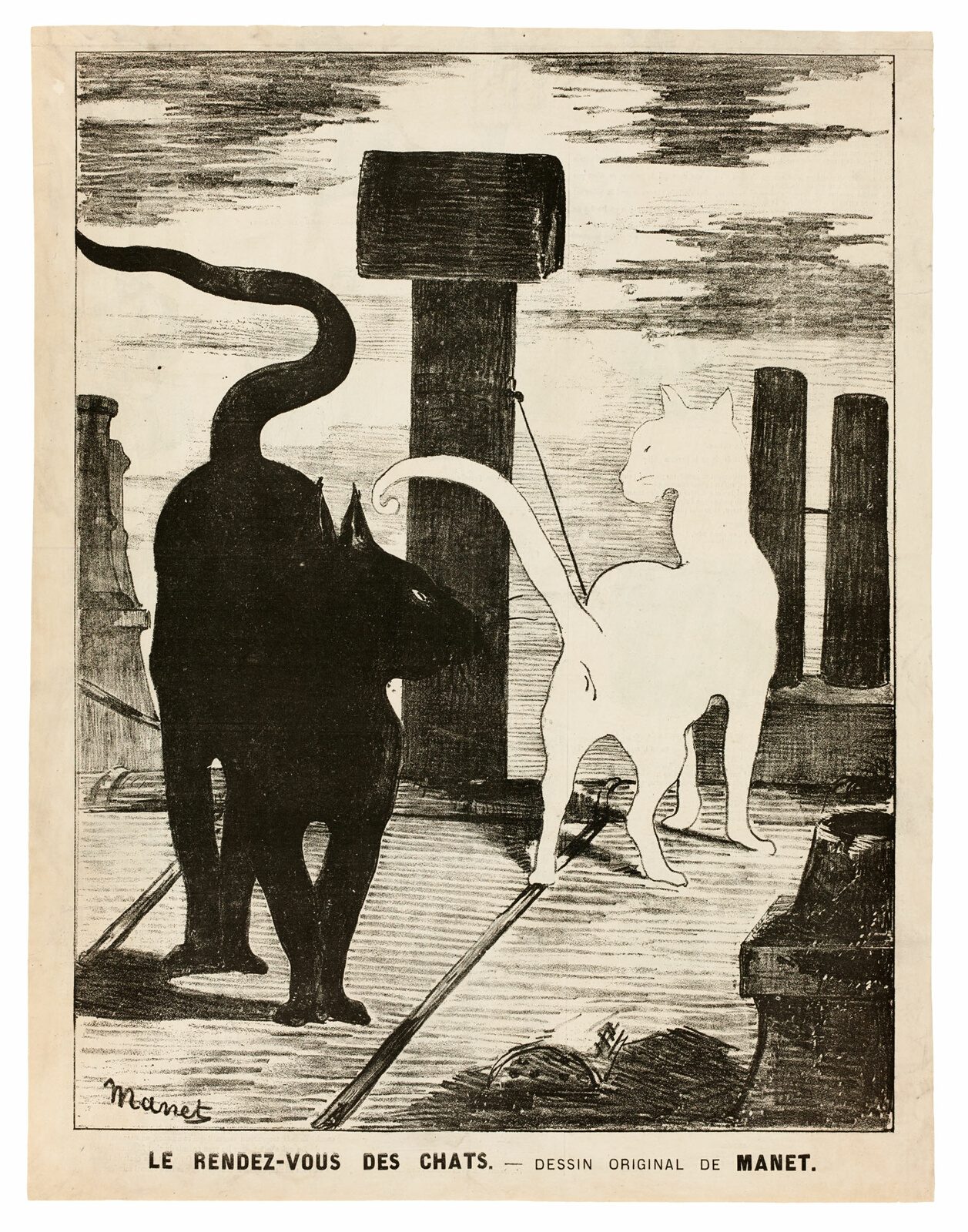
The Cats' Rendezvous
Édouard Manet
1868
Edouard Manet's 1868 rooftop date pairs a black cat with a white one, just as the caption says: Le Rendez-vous des chats.
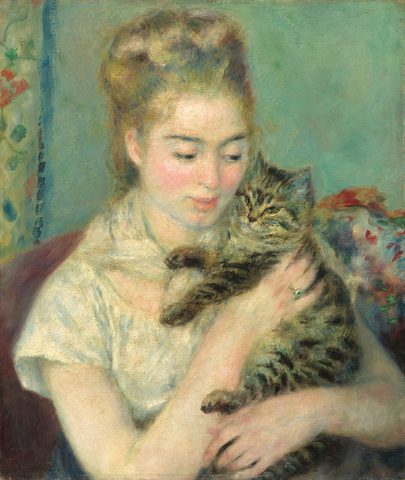
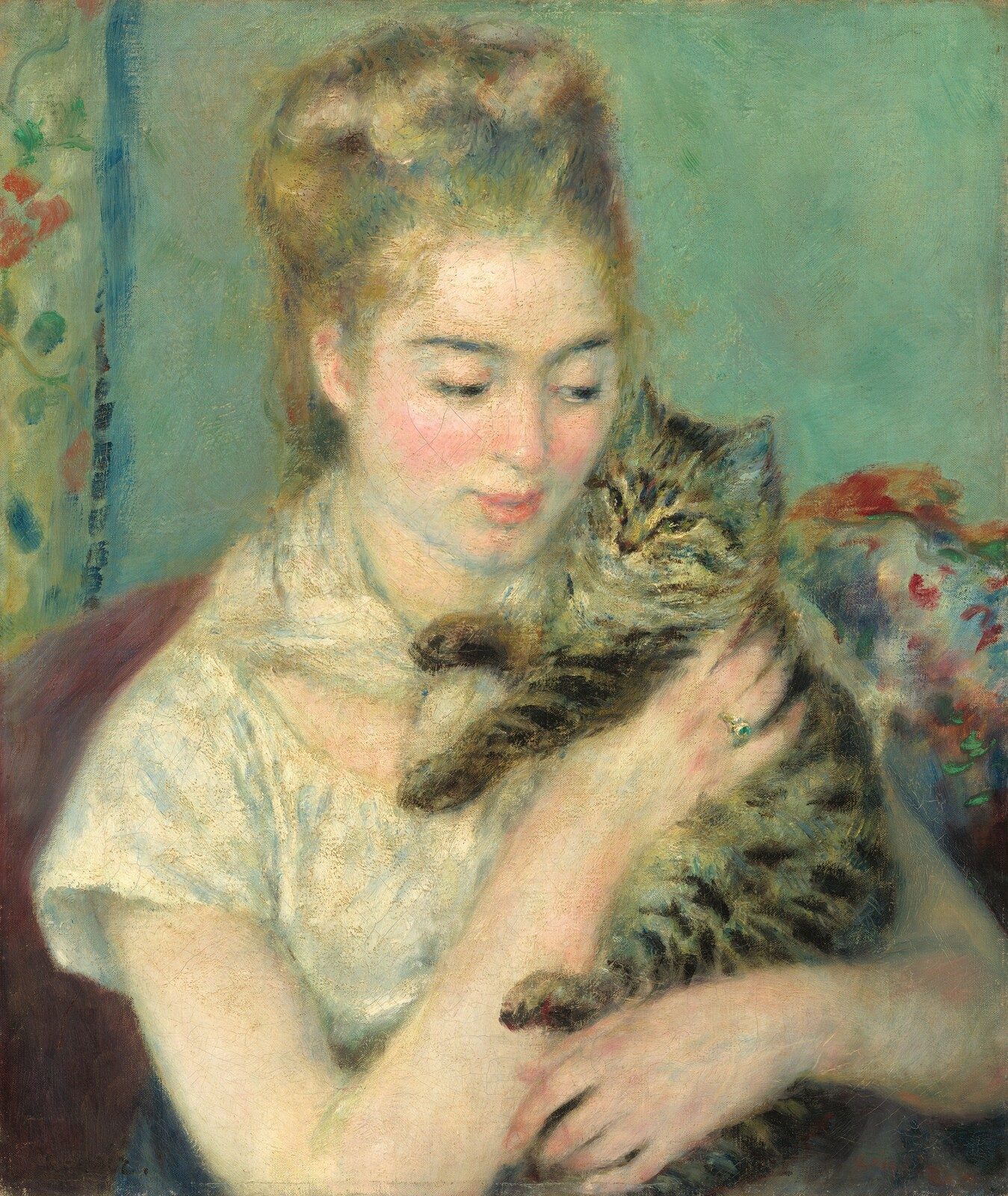
Woman with a Cat
Auguste Renoir
c. 1875
National Gallery of ArtPublic domain
Renoir painted this cozy moment in oil around 1875, and the tabby looks completely at home in her arms.
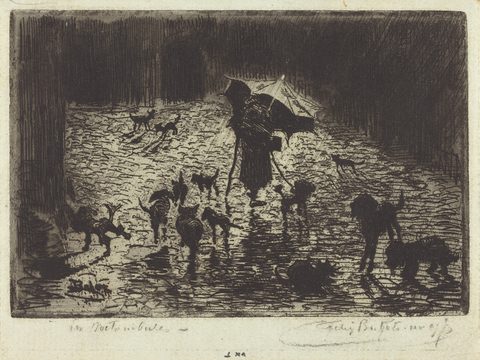
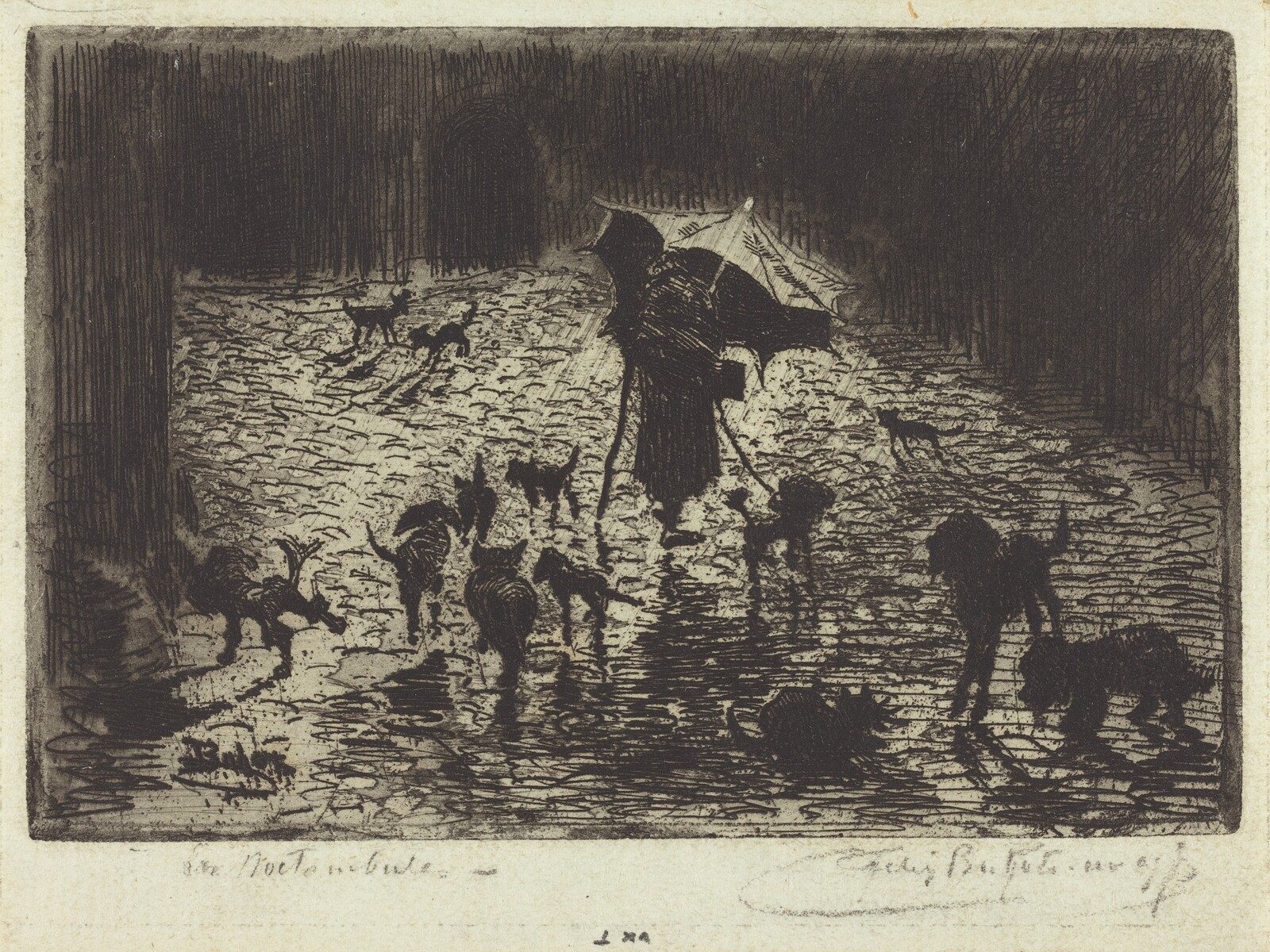
Les Noctambules (The Night Prowlers)
Félix-Hilaire Buhot
1876/1877
National Gallery of ArtPublic domain
Félix Buhot's The Night Prowlers, from 1876 to 1877, fills a rainy street with cats on the loose.
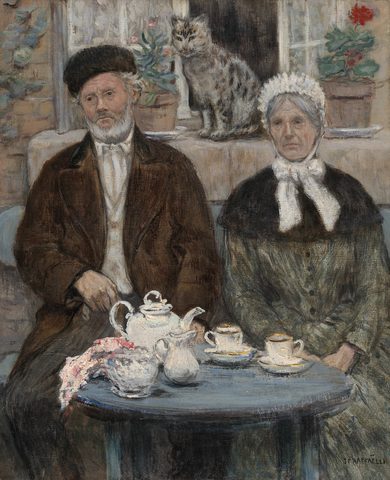
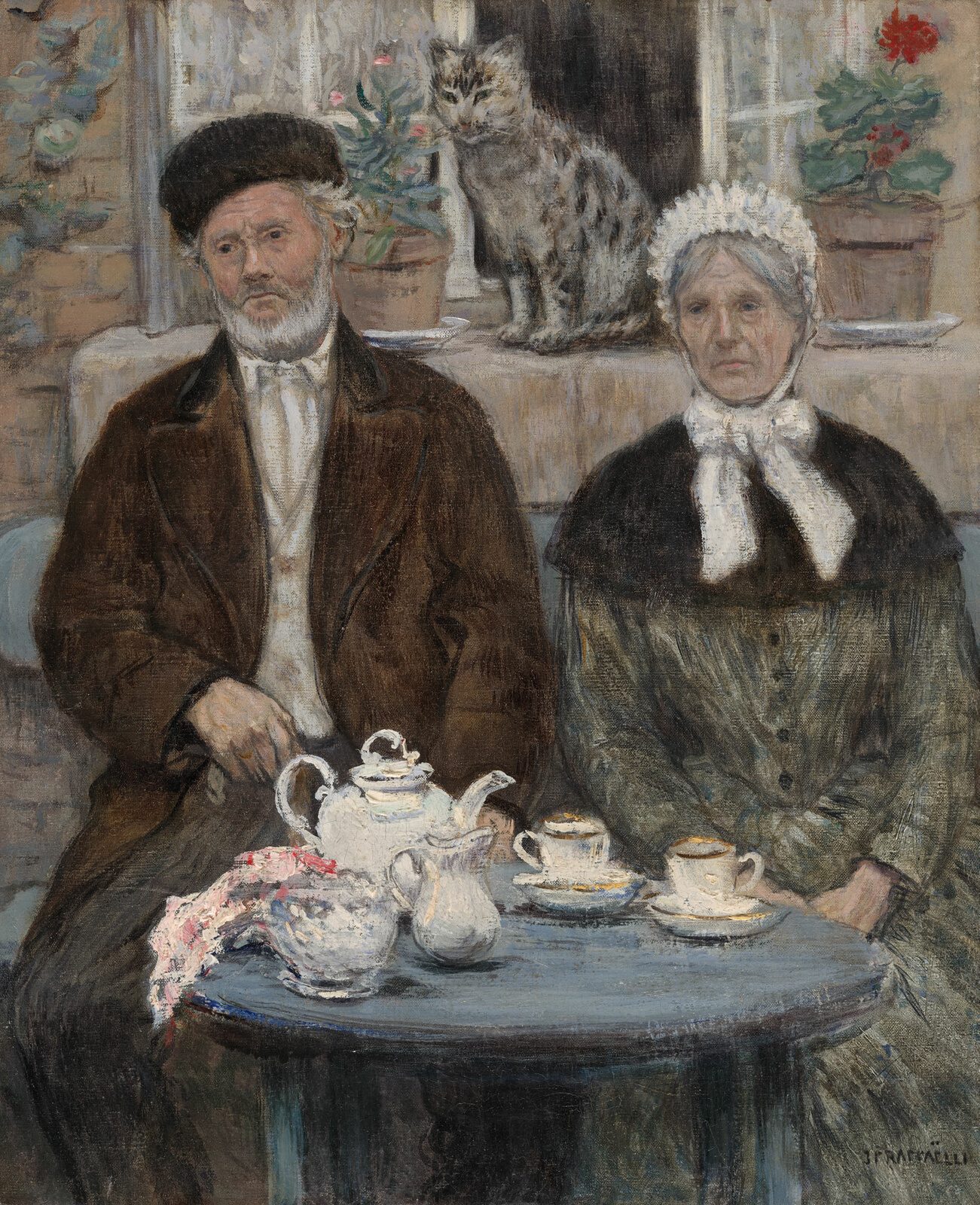
Afternoon Tea
Jean-François Rafaëlli
c. 1880
Jean-François Raffaëlli painted this afternoon tea around 1880, and the tabby on the window ledge has the best view of the teapot.
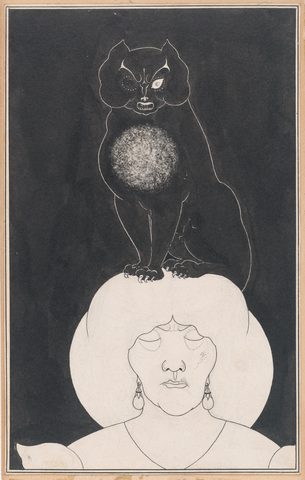
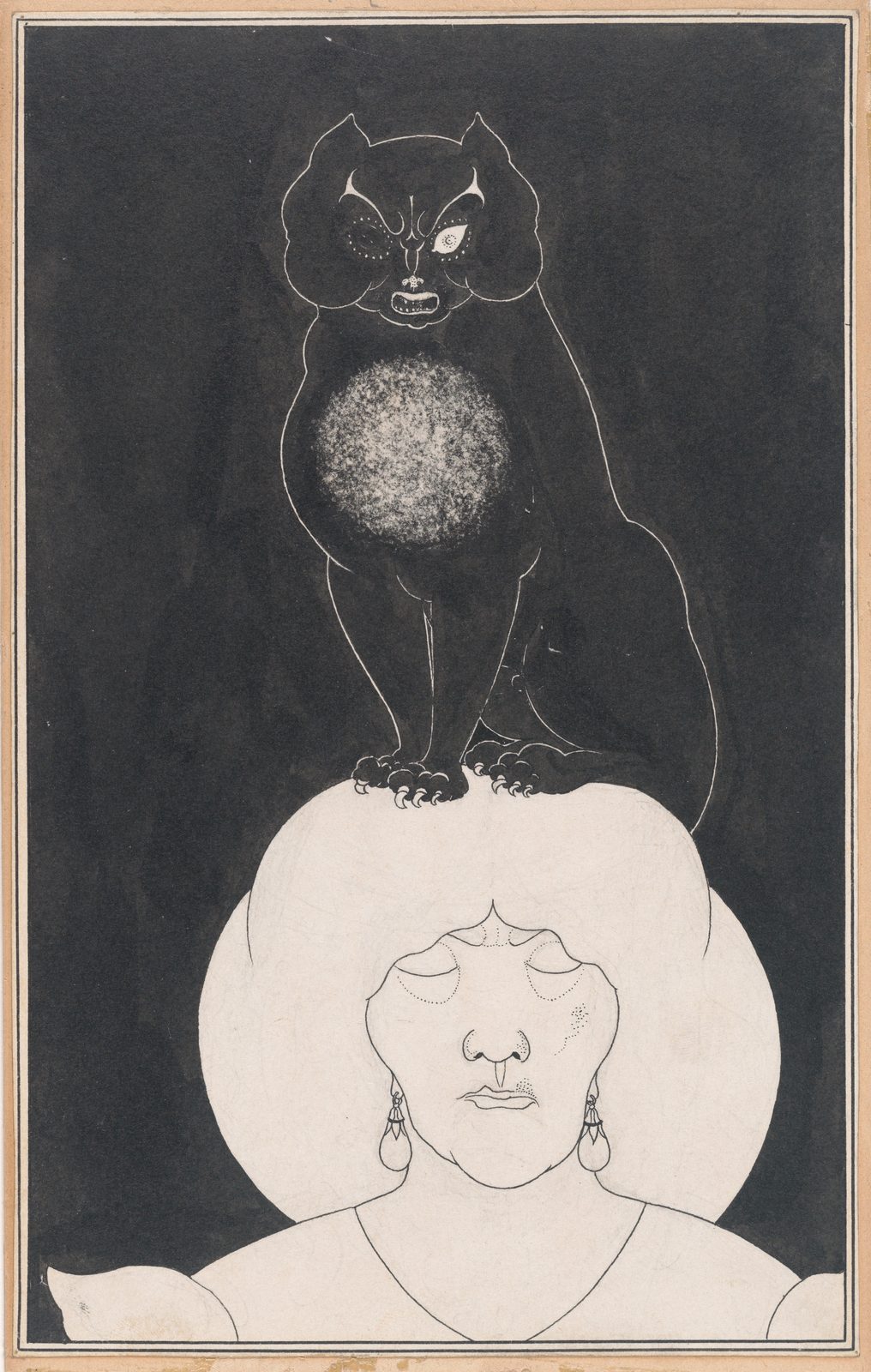
The Black Cat, for Edgar Allan Poe’s “Tales of Mystery and the Imagination,” Chicago, 1895-96
Aubrey Vincent Beardsley
1894
The MetCC0
Aubrey Beardsley inked this one-eyed black cat in 1894 for an edition of Edgar Allan Poe's Tales of Mystery and the Imagination.
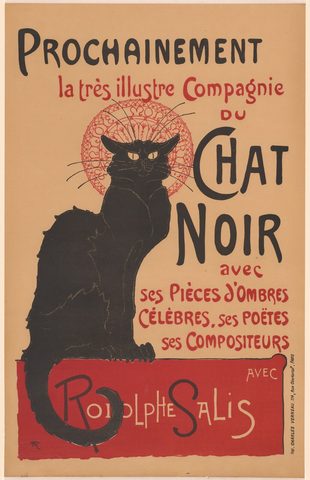
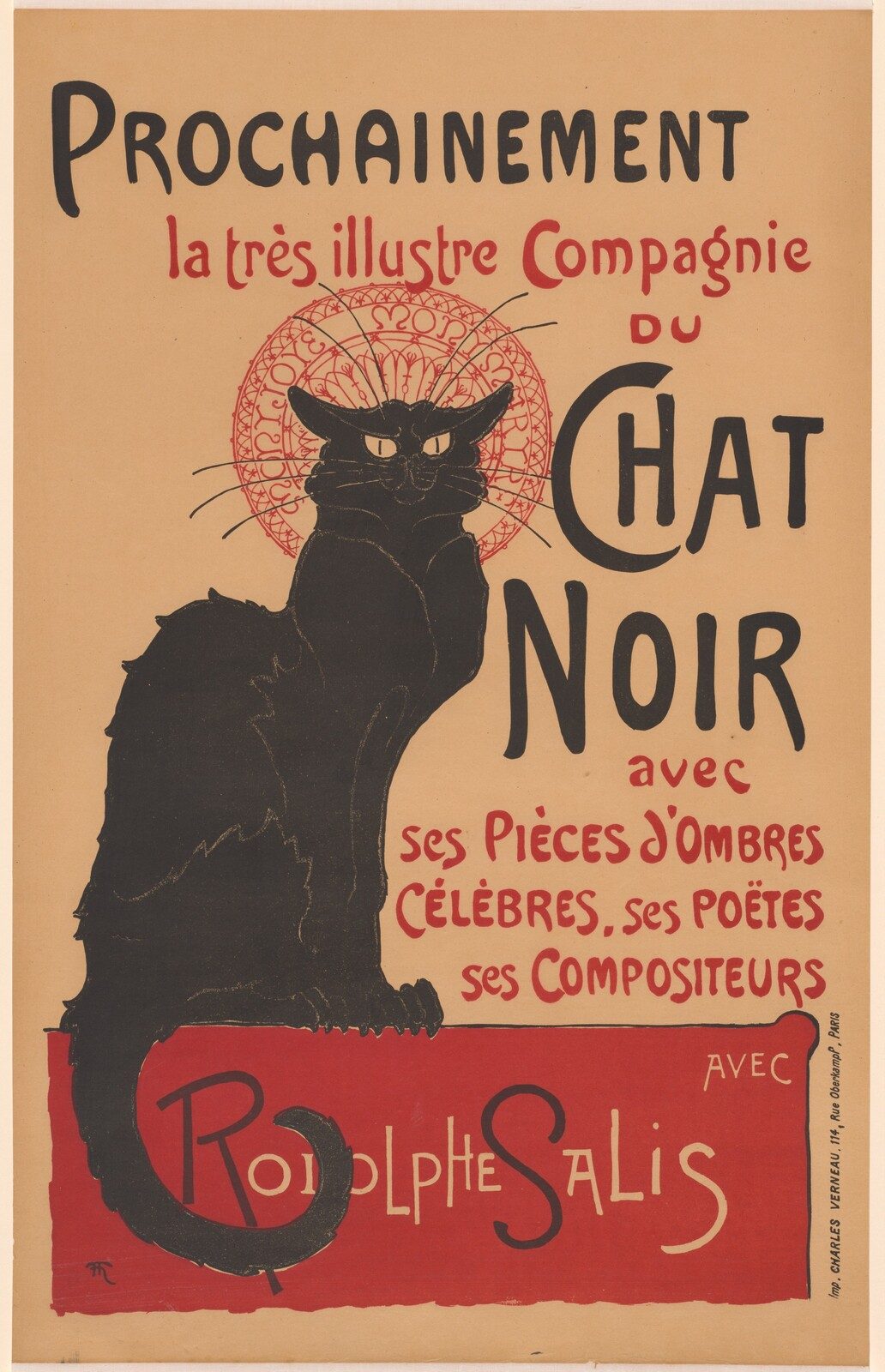
Prochainement la très illustre Compagnie du Chat Noir (Poster for the Company of the Black Cat)
Théophile Alexandre Steinlen
1896
National Gallery of ArtPublic domain
Steinlen's 1896 color lithograph for the Company of the Black Cat gives its cat a halo and a very serious stare.
Cats in the 1900s
Woodcuts, a lithograph, a drypoint and a gouache, the latest from 1930.
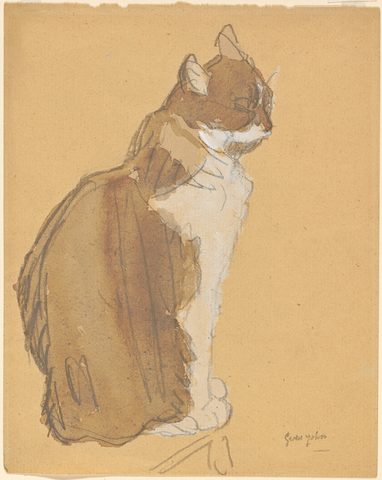
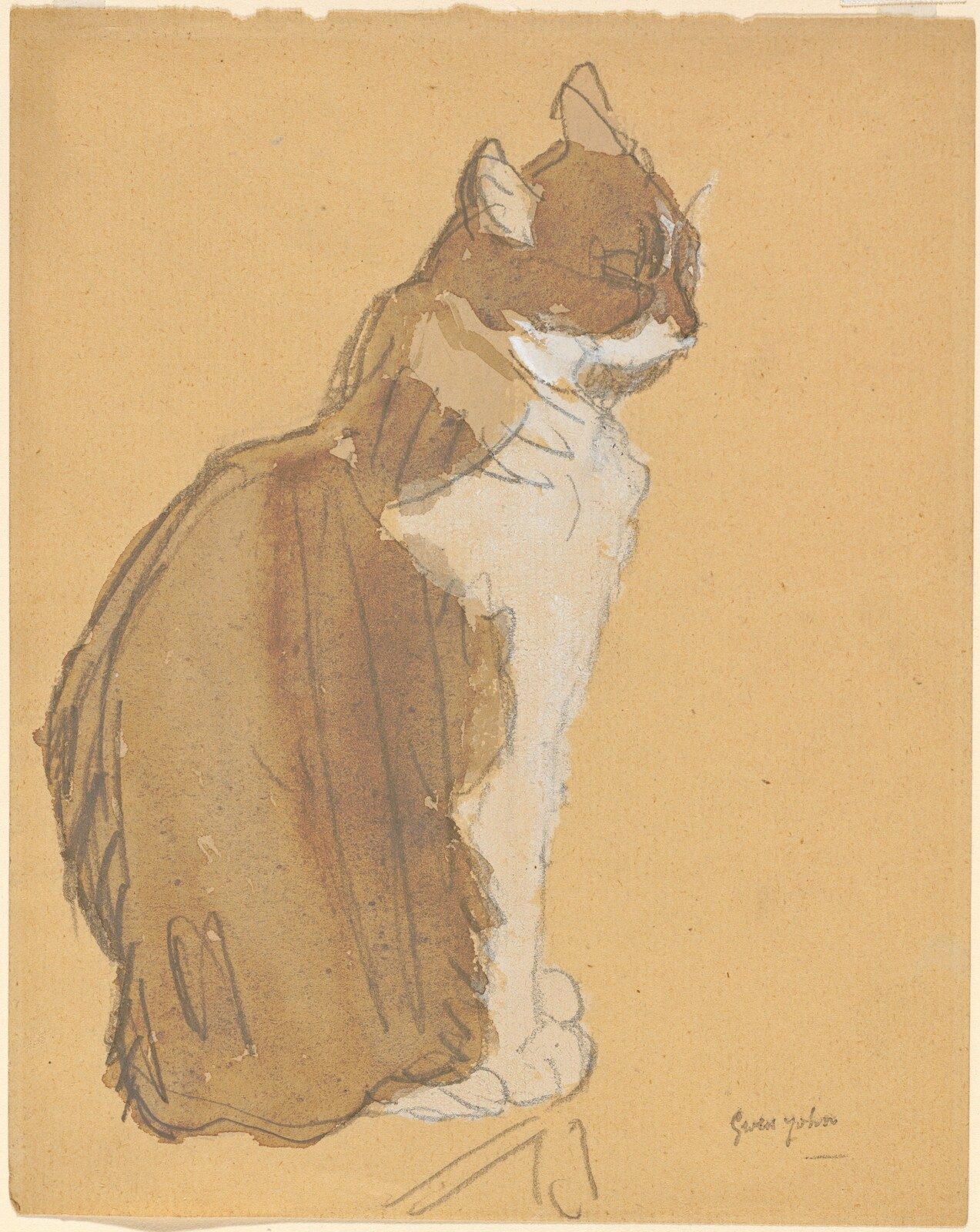
Cat with a White Front
Gwen John
1910/1915
National Gallery of ArtPublic domain
Gwen John's cat poses in profile with its white front on show, painted in gouache and watercolor between 1910 and 1915.
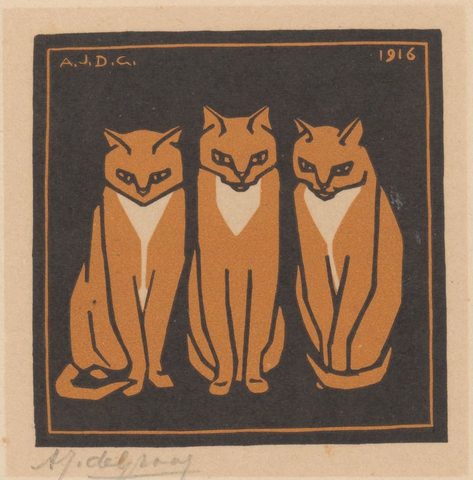
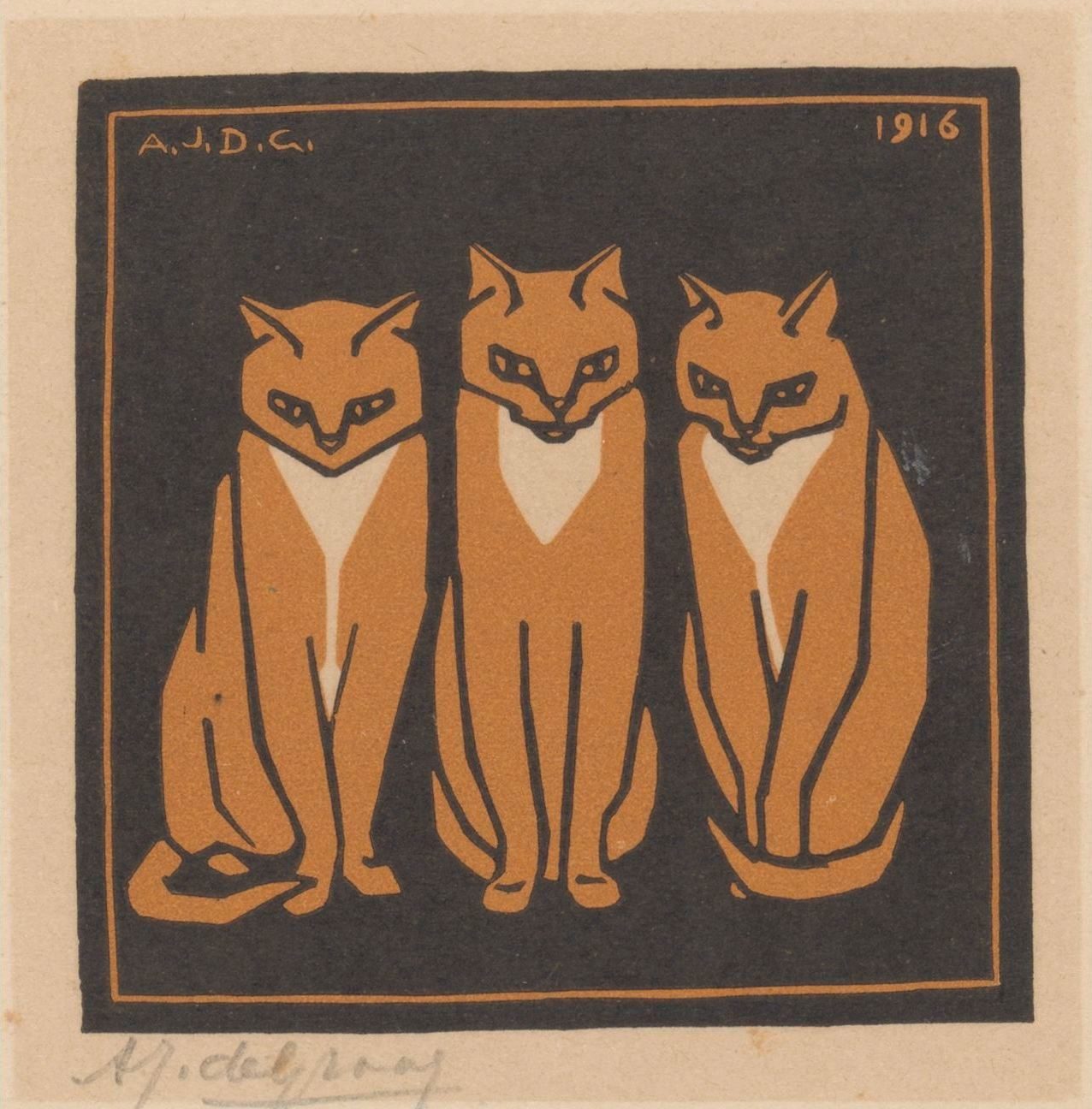
Drie kattenIn English: Three cats
Julie de Graag
1916
RijksmuseumPublic domain
Julie de Graag printed her three cats from two woodblocks, black and orange, in 1916.
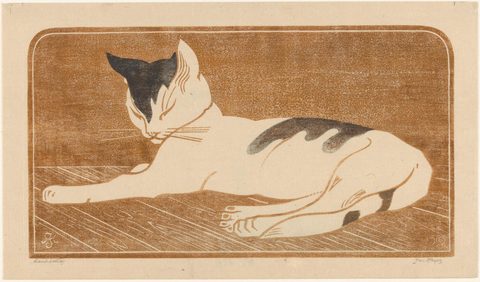
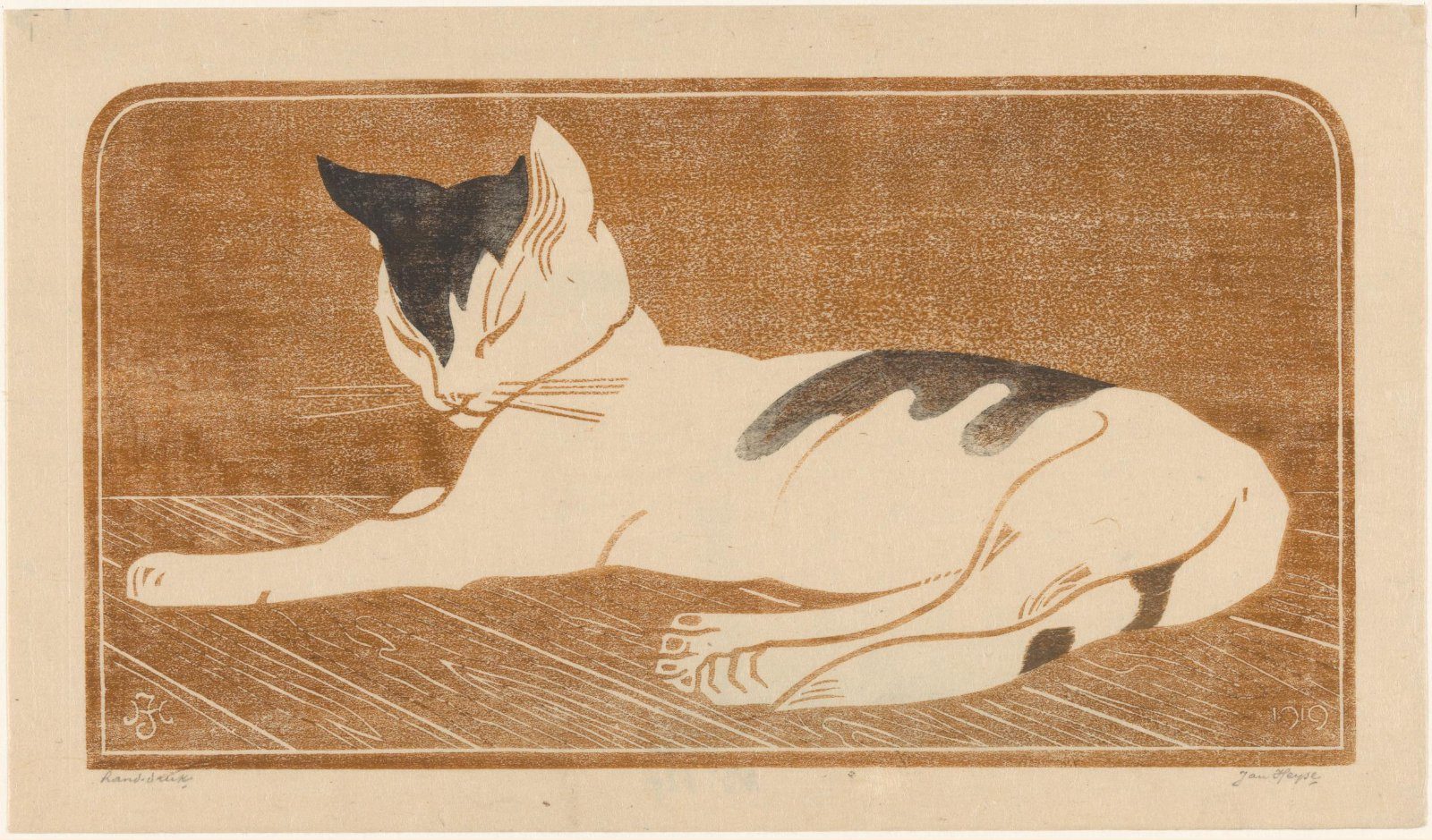
Liggende katIn English: Lying cat
Jan Heyse
1919
RijksmuseumPublic domain
Jan Heyse hand printed this lounging cat in 1919 as a woodcut in black and brown on Japanese paper.
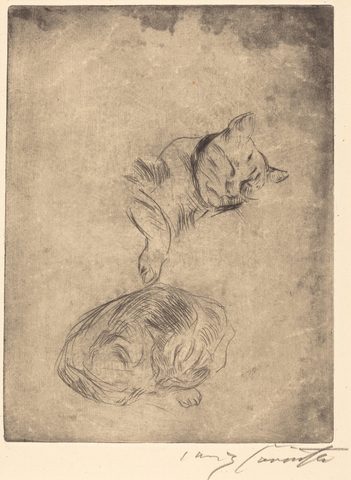
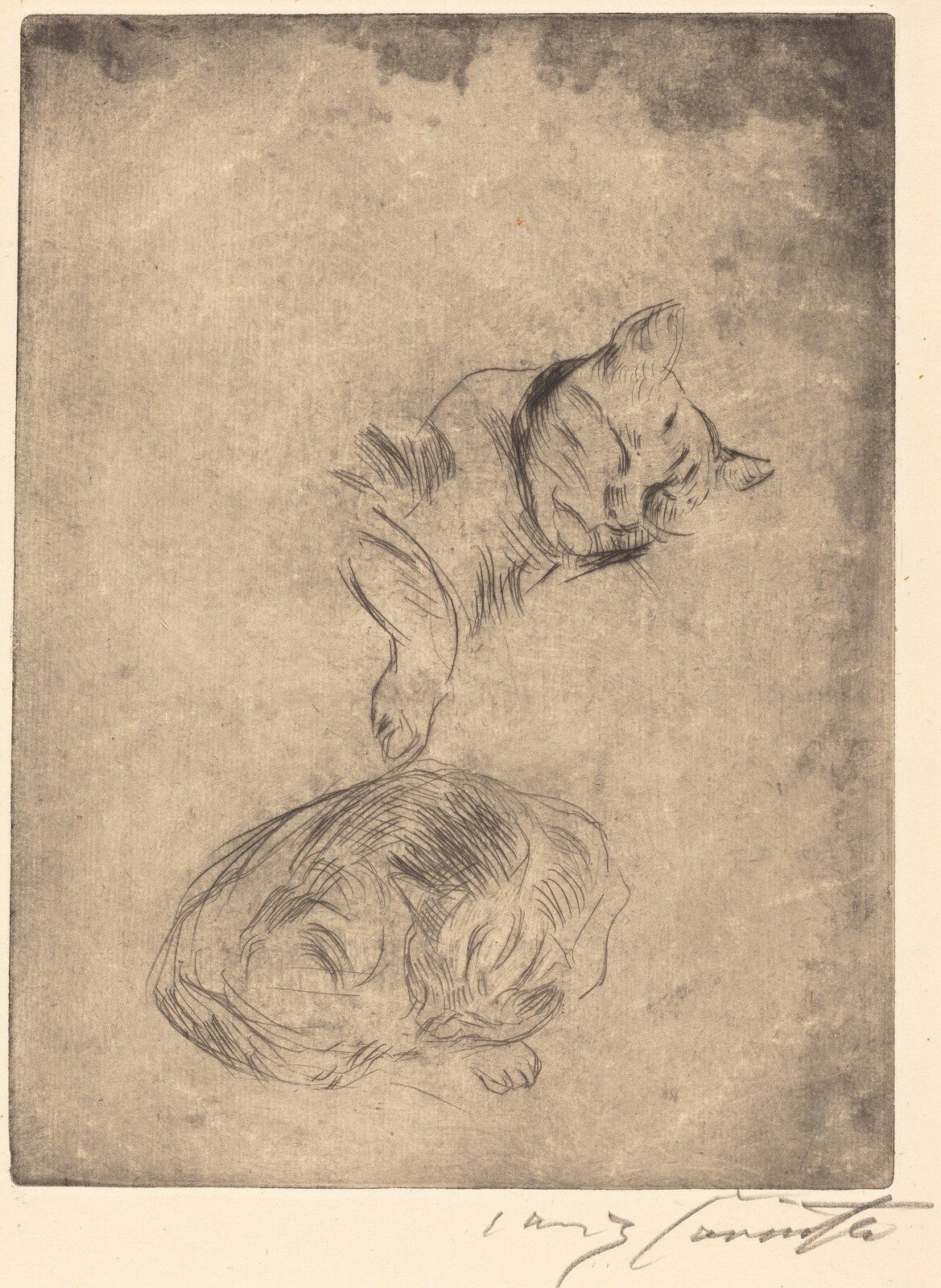
Katzenstudie (Study of Cats)
Lovis Corinth
1920
National Gallery of ArtPublic domain
Lovis Corinth's 1920 drypoint Katzenstudie catches two cats doing what cats do best, lounging and napping.
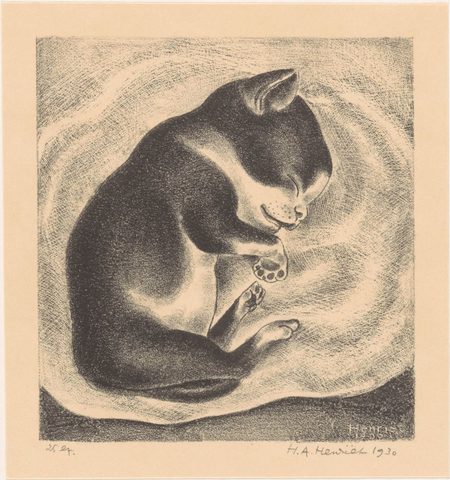
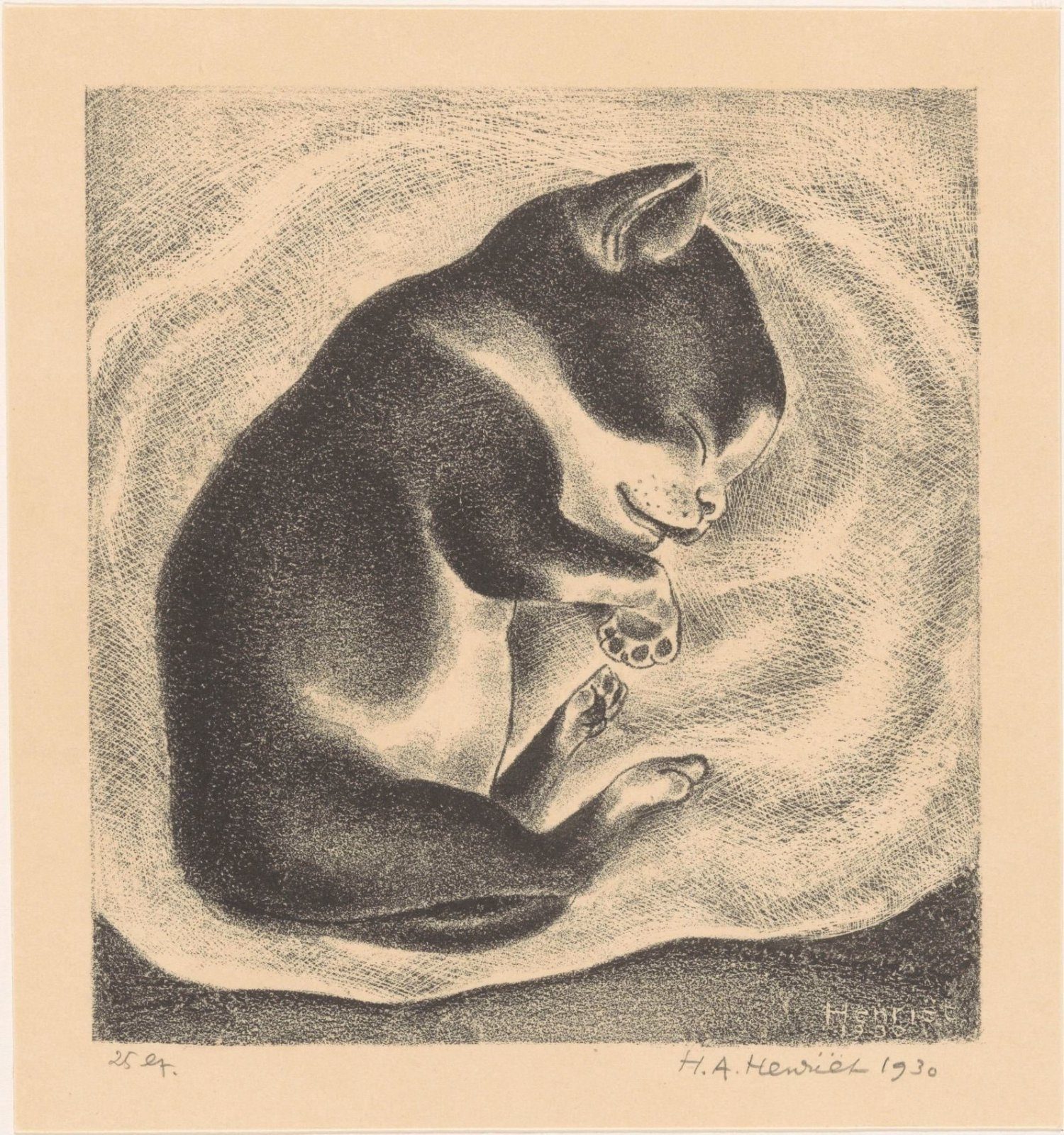
Slapende, jonge katIn English: Sleeping young cat
Henk Henriët
1930
RijksmuseumPublic domain
Henk Henriët signed this 1930 lithograph, and its title Slapende, jonge kat simply means Sleeping young cat.
About these pictures
The pictures come from the open-access collections of the Rijksmuseum1, the National Gallery of Art2, the Metropolitan Museum of Art3, the Art Institute of Chicago4 and the Cleveland Museum of Art5, which mark them CC06 or public domain7. Titles, artists and dates are copied from each museum's record, and the notes are mine, written from those records and the pictures. Tap a picture for a larger copy, or the museum's name for its full record.
More from the Cat Museum
- Guess the centuryTen artworks, four centuries each. Is it the 1600s or the 1700s?
 Cats in American artFolk portraits, early photographs and pottery from ancient Peru.
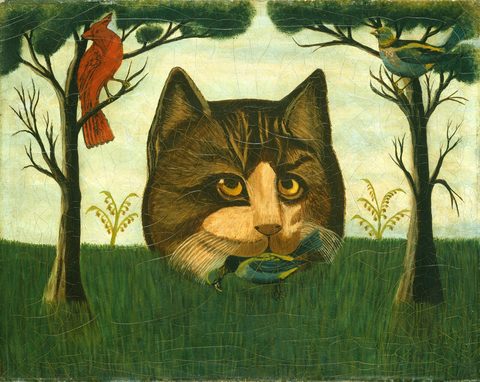
Pictured on the cards: The Cat, American 19th Century, probably second half 19th century, National Gallery of Art, Public domain.
Frequently asked questions
What is the oldest work in this gallery?
The Visit to the Spinner by Israhel van Meckenem, an engraving the National Gallery of Art dates to about 1495 to 1503.2 The cat sits on the floor at lower left.
Christopher writes and runs Cat Trivia Games. Every picture here links to the museum record it comes from, and the sources are listed below. How the site is made and corrected is on the editorial policy page. More about the author.
References
- Rijksmuseum. Data services: most digitized objects in the public domain since 2013. back
- National Gallery of Art. Open data program; its data dictionary flags open access images, which have no usage restrictions. back
- The Metropolitan Museum of Art. Open Access dataset, released under CC0; collection images covered by the policy carry the CC0 icon. back
- Art Institute of Chicago. Open Access Images: works believed to be in the public domain, under CC0. back
- The Cleveland Museum of Art. Open Access API: data released under CC0, with CC0 images for the works marked CC0. back
- Creative Commons. CC0 1.0 Universal (public domain dedication). back
- Creative Commons. Public Domain Mark 1.0. back
Written by Christopher Fox under our editorial policy. Artworks and records belong to the museums named on each card; this site is not connected with them.