 Cat Trivia Games
iOS App
PERSONALITY QUIZ / BRITISH SHORTHAIR
The British Shorthair personality
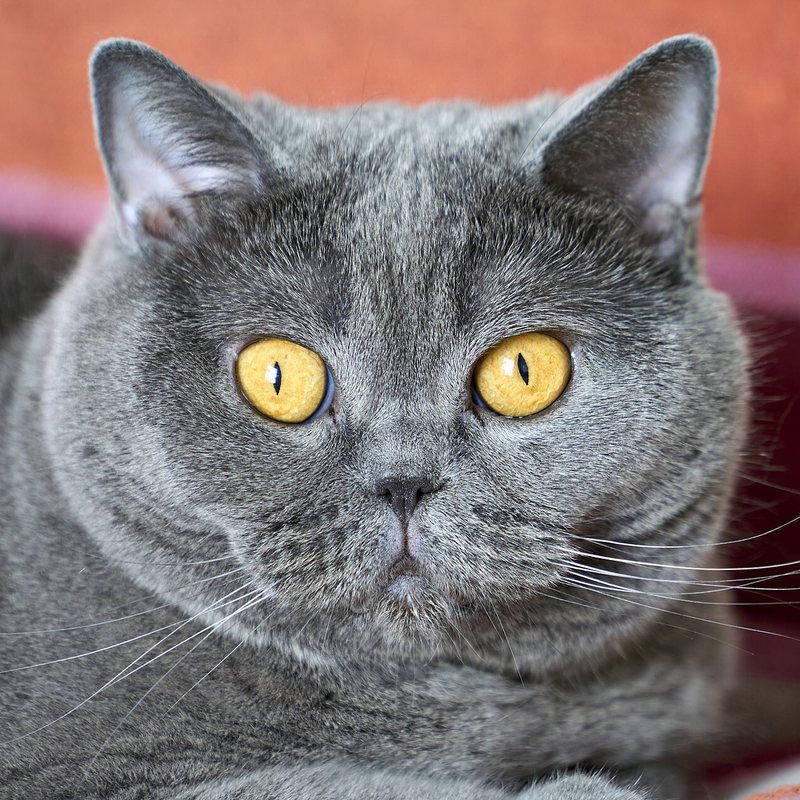
British Shorthairs are often described as calm companions that enjoy being nearby without constant handling. Some like laps; others prefer their own space. They still need play, attention and a routine that suits the individual cat.
Breed descriptions suggest tendencies, but individual cats vary. Some findings come from owner surveys or expert ratings rather than direct behavioral tests.
What is a British Shorthair like?
Breed profiles describe an easygoing cat that keeps an eye on its people. The Cat Fanciers' Association describes a cat that takes a keen interest in all their owners' activities, shares its affection around the family and often follows its people from room to room, watching rather than joining in. VCA calls it affectionate in a dignified way, loyal and a little reserved.
What the research found
This is one of the few breeds with clear survey results. In a 2019 owner survey of 5,726 cats in Finland, British Shorthairs were the least active breed, the least likely to seek contact with people and among the least likely to show aggression. They were also among the least likely to groom excessively or to have a behavior problem reported by the owner (Salonen and colleagues, Scientific Reports). That fits the friendly but self-contained cat the breed profiles describe, while still being an average across many cats.
How active are British Shorthairs?
Most profiles describe low to moderate activity. PetMD describes short bursts of play, such as stalking a toy mouse, and CFA says many prefer to keep all four feet on the floor. PetMD adds that the breed matures slowly, so young cats are often more playful than adults. Daily play still matters, and VCA notes that a big, moderately active cat can gain weight easily.
Are British Shorthairs lap cats?
Some are and some are not. CFA describes a cat that often waits to be invited onto the sofa beside you, PetMD says many enjoy a lap but dislike being lifted or carried, and VCA notes that some jump onto a lap and leave again soon after, suggesting the thick coat may make them warm. Cats leave laps for many reasons, so let each cat decide how long to stay.
Are British Shorthairs vocal?
Most are quiet. CFA says they may comment on your day but rarely hold a long conversation, and PetMD says they do not usually meow constantly for attention.
British Shorthairs with children and other pets
CFA describes a patient cat that often gets along with gentle children, with two cautions: it may withdraw from loud activity, and many do not like being carried. PetMD says some feel unsure when they first meet a new person or pet. Gradual, supervised introductions help, and small pets such as birds, rabbits and rodents should be kept safely apart, since no cat's reputation guarantees their safety.
Everyday life with a British Shorthair
A steady routine, a quiet place to retreat when the house gets loud, and daily play suit most British Shorthairs. PetMD describes a breed that often copes with a few hours alone, but how well a cat manages time alone depends on the individual, its age and health, and the length of the day, so watch for signs that it is not coping. VCA recommends keeping the breed indoors. Size, coat care and health screening are covered in the British Shorthair breed guide.
Just for fun
If this was your quiz result...
You like your own space and a steady routine. You warm up in your own time, and the people who know you well get a calm, dependable presence.
What this result means
In this quiz, this result represents answers that score high on independence and low on energy, chattiness and mischief.
The eight quiz traits
YouThe British Shorthair
Quiz scores, not scientific ratings.
British Shorthair personality FAQ
Are British Shorthairs good for first-time owners?
PetMD describes an adaptable, gentle breed that many first-time owners find easy to live with. Before choosing any cat, consider the time you have for play, grooming and everyday care, and meet the individual cat.
Why does my British Shorthair follow me around?
CFA describes British Shorthairs that learn their family's routine and follow them from room to room to watch what is happening. If following is new, or comes with other changes such as more meowing or a change in appetite, a veterinary check is a good idea.
Can a British Shorthair be left alone while I work?
That depends on the individual cat, its age, health, routine and the time involved. Plan for daily care and interaction, and respond to signs that the arrangement is not working. A second pet is not automatically the right solution.
Other profiles to explore
The three results whose quiz scores sit closest to the British Shorthair.
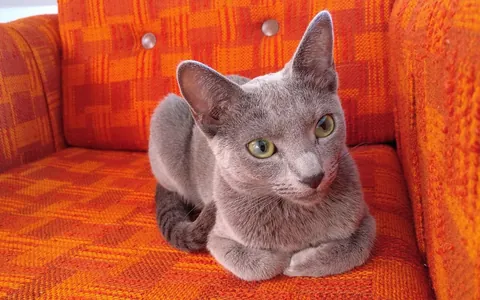
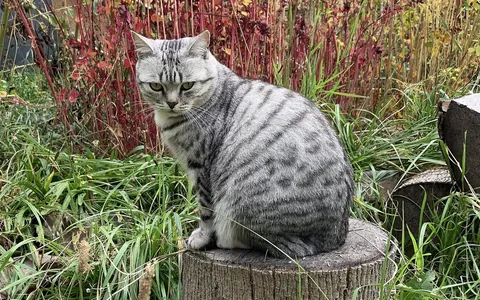
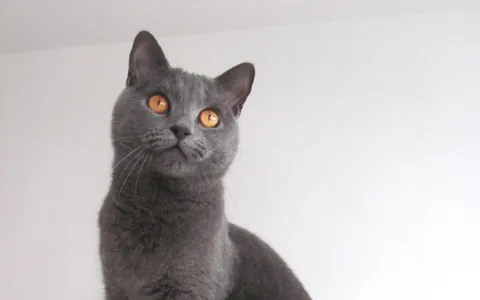
Breed photos: mostly Wikimedia Commons contributors under free licenses, cropped. Every photographer and license is on the photo credits page.
Sources
- British Shorthair, breed profile and standard, Cat Fanciers' Association
- British Shorthair, VCA Animal Hospitals
- British Shorthair cat breed profile, PetMD
- Breed differences of heritable behaviour traits in cats, Salonen M, Vapalahti K, Tiira K, Mäki-Tanila A, Lohi H. Scientific Reports 9:7949 (2019)