 Cat Trivia Games
iOS App
HOME / BREEDS / CHANTILLY-TIFFANY
Chantilly-Tiffany Cat Breed
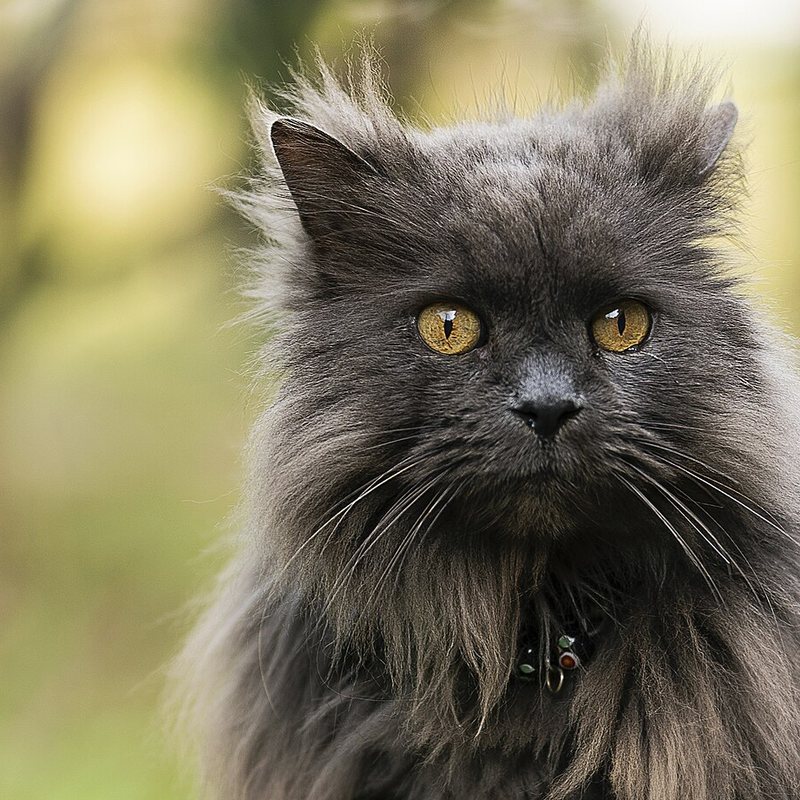

The Chantilly-Tiffany is associated with a silky, semi-long coat and a complicated naming history. It is frequently confused with the Tiffanie, a different cat-breeding tradition. This guide separates the historical breed from similarly named cats and sets out what is known about its current status.
Quick facts
- Origin: two semi-longhaired chocolate cats bought in New York in 1967; first litter in May 1969
- Names: Foreign Longhair, then Tiffany, then Chantilly/Tiffany from 1992
- Coat: semi-long and silky; chocolate is best known, with blue, cinnamon, lilac and fawn
- Size: females about 6 to 8 pounds, males 8 to 10, per breed historians
- Status: not on TICA's current breed list; breed historians report the original bloodlines are lost
History
The most detailed published account is on Messybeast, the cat-history site written by Sarah Hartwell, and the history below follows it. In 1967 Jennie Robinson of New York bought two golden-eyed, semi-longhaired chocolate cats from a pet shop in White Plains, and in May 1969 they produced six chocolate kittens. Early breeders wondered whether they were longhaired Burmese, but the kittens were solid colored, without darker points, and had pinkish paw pads. The American Cat Association registered the cats as Foreign Longhairs.
During the 1970s, Florida Burmese breeder Sigyn Lund took over Robinson's remaining cats, bred them until the mid-1980s and renamed the breed Tiffany to reflect its elegance. Because one of its breeders also bred Burmese, many people assumed the cats were longhaired Burmese. Messybeast reports that TICA recognized the Tiffany within its Burmese section in 1979, rescinded that recognition in 1992 after finding the cats were not related to the Burmese, and reinstated the Tiffany as a new breed in February 1994. TICA's own records of those steps could not be found.
When Lund stopped breeding, the breed came close to extinction. In 1988 Tracy Oraas answered a classified advertisement for chocolate kittens and, with Jan DeRegt, set out to re-establish the breed. The lines were so small that they had to be outcrossed to Nebelungs, Havana Browns and Somalis. In 1992 the revived breed was renamed Chantilly/Tiffany, because the name Tiffanie already belonged to a British breed, the Burmilla Longhair.
What is known about the breed today
Messybeast reports that the last known Chantilly breeder in the United States, a cattery in Illinois founded in 2001, lost its cattery and archives in a fire, and it states that all original bloodlines are lost. The International Cat Association's current breed list does not include the breed (checked October 2026), and no active breeding program could be verified. Black or colorpoint longhaired cats are often misidentified as Chantillies. Without a pedigree, appearance cannot establish the breed.
Appearance
Descriptions give a medium-sized cat of semi-foreign type, neither cobby nor slender, with a full, silky, semi-long coat, a plumed tail, a neck ruff and ear streamers. Chocolate was the original and best-known color; cinnamon, blue, lilac and fawn appeared in the revived breed through outcrossing, in solid colors and mackerel or spotted tabby. The standard used by the revived breed called for yellow eyes ranging to gold or amber, with a green halo around the pupil.
Care and health notes
There is no measured breed health profile for a population this small, so care depends on the individual cat. For any semi-longhaired cat, the general advice is that longhaired cats need grooming at least daily, but only for as long as the cat is comfortable. Stop before the cat becomes uncomfortable. A veterinarian can advise on the health of the individual cat.
Chantilly-Tiffany FAQ
Is the Chantilly-Tiffany a longhaired Burmese? Not according to its historians. Messybeast says the early cats were mistaken for longhaired Burmese because they were chocolate and one breeder also bred Burmese, but the kittens lacked the darker points and colored paw pads of Burmese kittens, and it states that the breed was never bred to the Burmese.
Is the Chantilly-Tiffany the same as the Tiffanie? No. Messybeast says the American Tiffany, now Chantilly/Tiffany, is not related to the British or Australian Tiffanie. The British Tiffanie is more often called the Asian Longhair today, and the Australian Tiffanie came from a Burmilla breeding program.
Sources
- Messybeast: The Tiffany/Chantilly (Sarah Hartwell, 2016 to 2017)
- The International Cat Association: breed list
- International Cat Care: grooming your cat
Try a mixed breed question
Which activity do Balinese cats typically enjoy?
Answer: Climbing to high perches. Balinese are agile, energetic cats that like to climb and survey their surroundings from above, so towers, shelves, and tall scratchers suit them well. Source