 Cat Trivia Games
iOS App
Suphalak Cat Breed
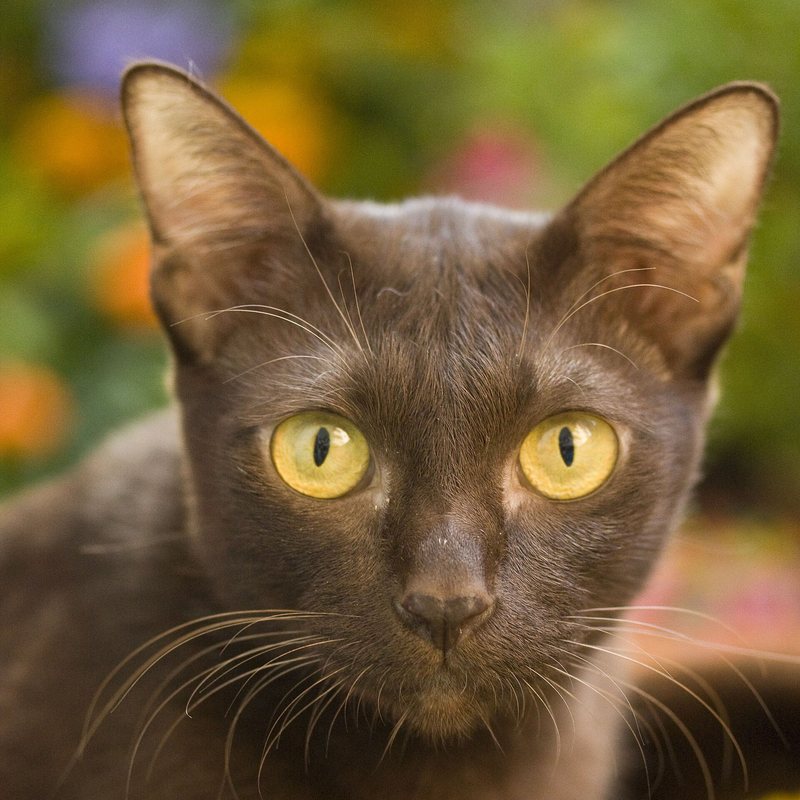

The Suphalak is associated with copper-brown cats described in Thai cat manuscripts. This guide separates that historical description from the cat's modern classification and breeding programs. Reliable information about the breed is more limited than for widely registered cats.
Quick facts
- Name: Suphalak, also called Thong Daeng ("copper") in the manuscripts
- In the manuscripts: one of 17 cats described as auspicious, with a copper-colored coat and glittering eyes
- Dating: traditionally linked to the Ayutthaya period (1351 to 1767), though surviving manuscripts date from 1782 or later
- Recognition: recognized by WCF since 2024; not recognized by CFA, TICA or FIFe (checked October 2026)
- Size and lifespan: no reliable breed-specific figures are published
The Suphalak in the Thai cat manuscripts
Thai treatises on cats, often called Tamra Maew, describe cats by their looks and by the luck they were said to bring. The Sirindhorn Anthropology Centre, part of Thailand's Ministry of Culture, lists the Suphalak third among 17 auspicious cats: a cat with a copper-colored coat and glittering eyes whose keeper would gain fortune, rank and power. A verse from the Wat Tha Phut manuscript, quoted by the centre, calls the cat Thong Daeng and describes its claws, tongue and teeth as red, as if dyed, promising its keeper rank as a royal official. A Thai government knowledge portal adds amber-yellow eyes and pink paw pads to the description, and says the treatises list 17 auspicious cats and 6 harmful ones.
The age of these texts is less certain than it is often made to sound. They are traditionally said to come from the Ayutthaya period, and CFA dates its "Cat-Book of Poems" to those years, but a 2008 article in Cabinet magazine points out that all surviving manuscripts were made after the Bangkok restoration of 1782. That article translates the Suphalak verse as "Color of copper glinting, / Eyes lit like shining rays".
Classification and recognition today
The World Cat Federation (WCF) recognized the Suphalak as a breed at its 2024 General Assembly in Germany, as the Bangkok Post reported; a Thai club had held a pre-recognition show with WCF judges in 2021. The WCF standard (November 2024) recognizes one color, chocolate, and prefers "an intense, reddish-copper coat colour" to a dull, matt chocolate. It calls for eyes from light yellow to rich golden, with a slight green shade permitted, and allows no outcrosses. The Suphalak is not on the breed lists of CFA, TICA or FIFe (checked October 2026), so whether a particular cat has recognized papers depends on the registry involved.
The Burmese connection
Thai copper cats are often described as ancestors of the Burmese breed. GCCF's Burmese breeding policy says it is "generally accepted" that the Thai copper cat is the direct ancestor of the Burmese, and the Sirindhorn Anthropology Centre writes that the cat was, regrettably, registered as the Burmese breed. That shared history helps explain why the two can look alike. It is not evidence about the health of today's Suphalaks: conditions known in Burmese lines should not be assumed in a Suphalak without evidence from its own lines.
What is known about Suphalaks today
Reliable published information about the temperament and health of living Suphalaks could not be found, so descriptions of the breed's personality rest on individual accounts. The short coat usually requires relatively little brushing; routine skin, dental and nail care still matter. Coat color alone cannot establish a pedigree: a brown cat may be a Suphalak, a Burmese or a cat of mixed ancestry, and only registration records from a registry that recognizes the breed identify one.
Suphalak FAQ
How is a Suphalak different from a Burmese? In color genetics and in registry rules. The Burmese carries a colorpoint gene that produces a more uniform body color with less-defined, warmer-toned points (CFA), while the WCF Suphalak standard recognizes a single solid color, chocolate, preferably an intense reddish copper, and allows no outcrosses.
Which other cats appear in the Thai manuscripts? The manuscripts also describe the Korat, which CFA calls the best known of the 17 good-luck cats, and the pointed Wichienmaat, the cat that TICA's Thai breed aims to preserve.
Sources
- Sirindhorn Anthropology Centre (Thai Ministry of Culture): article on Thai cats (2022, in Thai) and blog post on the cat treatises (2013, in Thai)
- OKMD Knowledge Portal: auspicious Thai cats (in Thai)
- Cabinet magazine, issue 30 (2008): the Thai cat treatises
- World Cat Federation (WCF): Suphalak breed standard (2024) and EMS breed code list
- Bangkok Post (August 21, 2024): Suphalak cat breed gains global recognition and Khaosod (August 20, 2024, in Thai)
- Governing Council of the Cat Fancy: Burmese breeding policy
- Cat Fanciers' Association: Korat, pointed patterns and breeds; TICA: Thai and breed list; FIFe: breeds (lists checked October 2026)
Try a mixed breed question
Because of its Persian ancestry, the Burmilla can be predisposed to which inherited condition?
Answer: Polycystic kidney disease (PKD). Breeds developed using Persian bloodlines, including the Burmilla, are commonly affected by polycystic kidney disease, an inherited condition for which genetic testing is available. Source