 Cat Trivia Games
iOS App
The Cat Breed Registry Tracker
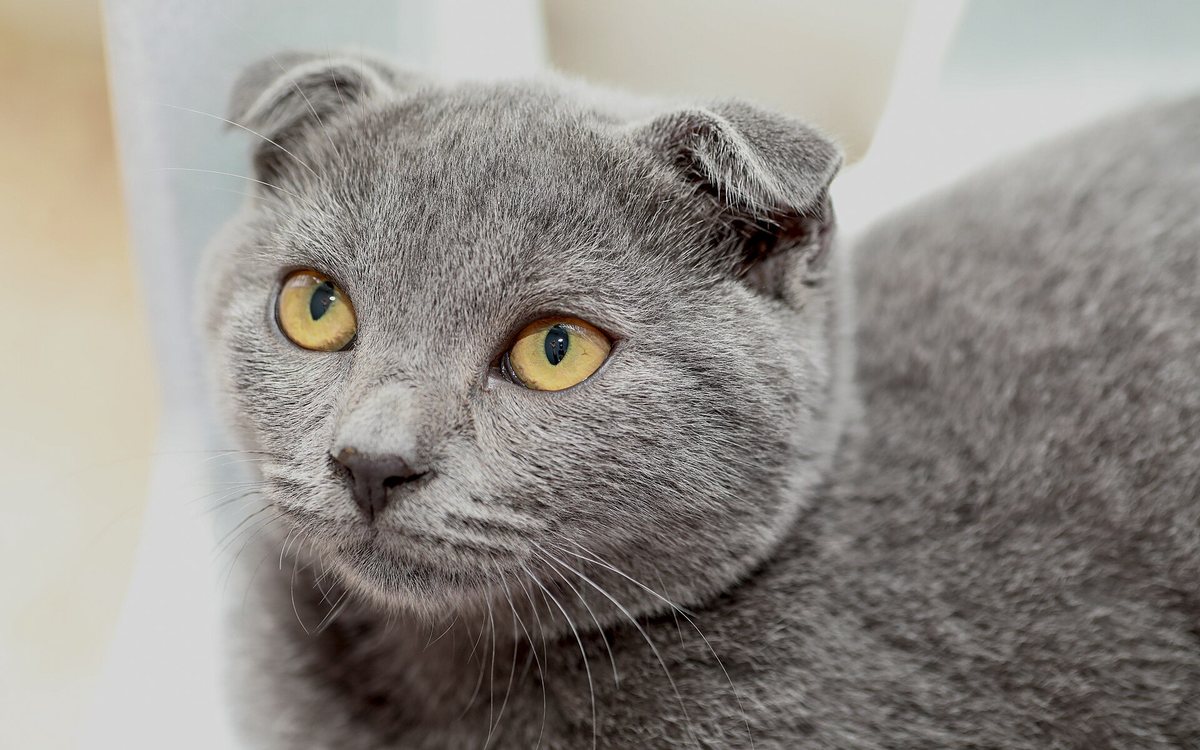
Whether a cat breed is recognized depends on which registry you ask. This tracker shows what five registries, CFA, FIFe, GCCF, WCF and ACFA, say about 87 breeds, checked against each registry's own list on November 2, 2026. Every cell names the status in words and links the page it came from. TICA's site would not open for my checker, so its column says Not checked.
What recognition means
Recognition starts when a registry agrees to register cats under a breed name, and it is complete when the breed can compete for the registry's titles under a written standard. New breeds move up in stages. At CFA, a new breed starts in the Miscellaneous class, where judges examine the cats but normally give no awards, then moves to Provisional, where its cats compete only within their own class, before it can compete for championships.1 FIFe's preliminary recognition comes with dates: 2023 to 2027 for the Bombay and the Lykoi.2 GCCF can approve a breed name first, so cats can be registered and shown on exhibition but not in competition,3 with "no guarantee" that the breed will progress.4
The lists differ for three main reasons. Registries split breeds differently, so one registry's division or coat-length version is another's separate breed. Some refuse breeds on welfare grounds that others accept. And some breeds are missing because nobody has applied: GCCF marks several on its unrecognised list as "not yet applied for", with probable acceptance.4
Breed counts by registry, November 2, 2026
- CFA recognizes 45 breeds as of November 2, 2026: 44 for championship and one provisional breed, the Khao Manee.1
- FIFe recognizes 50 breeds as of November 2, 2026: 48 with full recognition and two with preliminary recognition for 2023 to 2027, the Bombay and the Lykoi.2
- GCCF lists 39 recognized breed entries as of November 2, 2026, seven of them with shorthair and longhair versions, plus seven breed names approved for registration and exhibition only.54
- WCF recognizes 91 of the 102 breed entries on its code list as of November 2, 2026, plus two provisionally recognized breeds. Two of the 91, the Pixiebob and Pixiebob Longhair, are marked not for show, for pedigrees only. The other 11 entries are breeds that only other registries recognize. The list was last updated on June 6, 2026.6
- ACFA lists 72 breed entries for championship as of November 2, 2026, with most longhair and shorthair versions counted separately, plus one experimental breed, the Chantilly.78
- TICA was not checked. On November 2, 2026, its site refused my checker's requests, so its column says Not checked (see how I checked).
The counts measure different things. FIFe, WCF and ACFA list most longhair and shorthair versions as separate entries, while CFA and GCCF mostly treat them as one breed with two coat lengths.
Registry status of 87 cat breeds
Each row is a breed and each column a registry; the last column counts how many of the five checked registries recognize the breed in some form. Use the column headings or Sort by to reorder the table, and the filters to narrow it. Rows marked No guide yet are breeds that at least two of the checked registries recognize but this site has no guide for.
- Championship Full recognition Recognized The breed can compete for the registry's titles. In the GCCF column, Recognized means the breed is on GCCF's list, which does not say which breeds hold championship status and which preliminary.
- Division Within Same code The registry counts the cat as part of another breed.
- Provisional Preliminary A stage before full recognition.
- Name recognition Experimental Pedigree only Cats can be registered but do not compete for championships.
- Listed for other registries On WCF's code list because other registries recognize the breed.
- Not on list Not recognized Ineligible Not accepted Will not recognize No recognition. The line underneath gives the registry's stated reason where it gives one.
- Not checked The registry's list could not be opened.
87 breeds: 76 with a guide on this site and 11 without one yet.
No breed matches these filters. Try another status or press Reset.
The TICA column is left out on smaller screens because no TICA status could be checked.
| Breed | CFA | FIFe | GCCF | WCF | ACFA | TICA | Recognized by |
|---|---|---|---|---|---|---|---|
| Abyssinian | Recognized by 5 of 5 | ||||||
| Aegean | Recognized by 0 of 5 | ||||||
| American Bobtail | Not recognizedAmber list: genetic and veterinary information would be required. | ChampionshipListed as American Bobtail Longhair and American Bobtail Shorthair. | Recognized by 3 of 5 | ||||
| American Curl | Full recognitionListed as American Curl Longhair and American Curl Shorthair. | Name recognition onlyCan be registered and shown on exhibition, not in competition. | RecognizedAlso listed as American Curl Longhair. | ChampionshipListed as American Curl Longhair and American Curl Shorthair. | Recognized by 5 of 5 | ||
| American Ringtail | Recognized by 0 of 5 | ||||||
| American Shorthair | Not recognizedNot applied for; GCCF lists it as probable acceptance. | Recognized by 3 of 5 | |||||
| American WirehairNo guide yet | Not recognizedNot applied for; GCCF lists it as probable acceptance. | Recognized by 3 of 5 | |||||
| Arabian Mau | Not recognizedNamed as a rare breed recognized elsewhere and not present in the UK. | Recognized by 1 of 5 | |||||
| Australian Mist | Recognized by 3 of 5 | ||||||
| Balinese | RecognizedListed as Siamese Longhair (Balinese). | Recognized by 5 of 5 | |||||
| Bambino | Recognized by 0 of 5 | ||||||
| Bengal | RecognizedAlso listed as Bengal Longhair (Cashmere). | Recognized by 5 of 5 | |||||
| Birman | Full recognitionListed as Sacred Birman. | RecognizedListed as Sacred Birman. | Recognized by 5 of 5 | ||||
| Bombay | PreliminaryPreliminary recognition for 2023 to 2027. | Within Asian groupThe black Asian self is known as the Bombay. | Recognized by 5 of 5 | ||||
| British Longhair | RecognizedListed as British. | Recognized by 4 of 5 | |||||
| British Shorthair | RecognizedListed as British. | Recognized by 5 of 5 | |||||
| Burmese | Full recognitionFIFe lists one Burmese, which WCF's code list credits as the European Burmese. | RecognizedGCCF lists one Burmese, which WCF's code list credits as the European Burmese. | RecognizedListed as Burmese American. | Recognized by 5 of 5 | |||
| BurmillaNo guide yet | Within Asian groupThe shaded variety of the Asian. | ChampionshipListed as Burmilla Longhair and Burmilla Shorthair. | Recognized by 5 of 5 | ||||
| California Spangled | Recognized by 0 of 5 | ||||||
| Chantilly-Tiffany | ExperimentalListed as Chantilly.Registration code CHY [EXP]; experimental breeds are not eligible for the NBC show class. | Recognized by 1 of 5 | |||||
| Chartreux | Recognized by 5 of 5 | ||||||
| Chausie | IneligibleDerived from an outcross to a wild species. | Recognized by 1 of 5 | |||||
| Cornish Rex | Recognized by 5 of 5 | ||||||
| Cymric | Manx longhair divisionNo Cymric on the list; the Manx is shown in shorthair and longhair divisions. | Name recognition onlyListed as Cymric (Manx Longhair).Can be registered and shown on exhibition, not in competition. | Recognized by 5 of 5 | ||||
| Cyprus (Aphrodite) | Not recognizedListed as Aphrodite: not applied for, probable acceptance if export from Cyprus is legal. | RecognizedListed as Aphrodite's Giant and Aphrodite's Giant Shorthair. | ChampionshipListed as Aphrodite Longhair and Aphrodite Shorthair. | Recognized by 2 of 5 | |||
| Devon Rex | Recognized by 5 of 5 | ||||||
| Donskoy | Full recognitionListed as Don Sphynx. | Not acceptedNo intention to recognize further hairless breeds. | RecognizedListed as Don Sphynx (Donskoy). | Recognized by 2 of 5 | |||
| Dragon Li | Not recognizedNamed, as Chinese Li Hau, among rare breeds recognized elsewhere and not present in the UK. | Recognized by 0 of 5 | |||||
| Dwelf | Recognized by 0 of 5 | ||||||
| Egyptian Mau | Recognized by 5 of 5 | ||||||
| European Burmese | RecognizedListed as Burmese European. | Recognized by 5 of 5 | |||||
| European ShorthairNo guide yet | Full recognitionListed as European. | Not recognizedNot applied for; probable acceptance if sufficiently different from other breeds. | RecognizedListed as Celtic / European Shorthair. | Recognized by 2 of 5 | |||
| Exotic Shorthair | ChampionshipListed as Exotic. | Full recognitionListed as Exotic. | ChampionshipAlso listed as Longhair Exotic. | Recognized by 5 of 5 | |||
| Foldex | Recognized by 0 of 5 | ||||||
| German LonghairNo guide yet | Name recognition onlyCan be registered and shown on exhibition, not in competition. | RecognizedListed as Deutsch Langhaar. | Recognized by 2 of 5 | ||||
| German Rex | Not recognizedNot applied for; probable acceptance if different from other breeds and supported by GCCF's Rex breed advisory committee. | Recognized by 2 of 5 | |||||
| Havana Brown | Not on listNo Havana Brown on the list. GCCF lists the Suffolk, which WCF's code list groups with the Havana Brown. | RecognizedListed as Havana (Suffolk / Havana Brown). | ChampionshipListed as Havana. | Recognized by 3 of 5 | |||
| Highlander | IneligibleMulti-mutation breed with bobtail and curled ears. | ChampionshipListed as Highlander Longhair and Highlander Shorthair. | Recognized by 1 of 5 | ||||
| Himalayan | Persian divisionShown as the Himalayan division of the Persian. | Within PersianThe Persian standard includes pointed varieties. | Within PersianColourpoint is one of the Persian's colour groups in GCCF's Standard of Points. | Same code as PersianListed as Persian / Colourpoint Himalayan under one code (PER). | Recognized by 5 of 5 | ||
| Japanese Bobtail | Full recognitionListed as Japanese Bobtail Shorthair. | Not recognizedAmber list: genetic and veterinary information would be required. | RecognizedAlso listed as Japanese Bobtail Longhair. | ChampionshipListed as Japanese Bobtail Longhair and Japanese Bobtail Shorthair. | Recognized by 4 of 5 | ||
| Javanese | Balinese divisionA division of the Balinese since May 1, 2008. | Recognized by 1 of 5 | |||||
| Khao Manee | Name recognition onlyListed as Khao Manee/Maew Boran.Can be registered and shown on exhibition, not in competition. | Recognized by 4 of 5 | |||||
| Korat | RecognizedGCCF also lists the Thai: Korat-type cats in lilac and blue point. | Recognized by 5 of 5 | |||||
| Kurilian Bobtail | Full recognitionListed as Kurilean Bobtail Longhair and Kurilean Bobtail Shorthair. | Name recognition onlyCan be registered and shown on exhibition, not in competition. | RecognizedAlso listed as Kurilian Bobtail Longhair. | ChampionshipListed as Kurilian Bobtail Longhair and Kurilian Bobtail Shorthair. | Recognized by 4 of 5 | ||
| LaPerm | Full recognitionListed as LaPerm Longhair and LaPerm Shorthair. | RecognizedListed as La Perm. | RecognizedListed as LaPerm Longhair and La Perm. | ChampionshipListed as LaPerm Longhair and LaPerm Shorthair. | Recognized by 5 of 5 | ||
| LykoiNo guide yet | PreliminaryPreliminary recognition for 2023 to 2027. | RecognizedGCCF's breed page says it gained Preliminary recognition in February 2020; the list does not give its current level. | Recognized by 5 of 5 | ||||
| Maine Coon | ChampionshipListed as Maine Coon Cat. | ChampionshipListed as Maine Coon Cat. | Recognized by 5 of 5 | ||||
| Manx | Recognized by 5 of 5 | ||||||
| Mekong Bobtail | Not recognizedAmber list: genetic and veterinary information would be required. | Recognized by 1 of 5 | |||||
| Minskin | Recognized by 0 of 5 | ||||||
| Minuet (formerly Napoleon) | IneligibleDwarf breed; ineligible due to reported health problems. | RecognizedListed as Minuet Longhair and Minuet. | Recognized by 1 of 5 | ||||
| Munchkin | Will not recognizeNamed in FIFe's rules as its example of achondroplasia (dwarfism). | IneligibleDwarf breed; ineligible due to reported health problems. | RecognizedAlso listed as Munchkin Longhair. | Recognized by 1 of 5 | |||
| Nebelung | RecognizedListed as Nebelung (Russian Blue Longhair). | Recognized by 3 of 5 | |||||
| Neva MasqueradeNo guide yet | Same code as SiberianListed as Siberian Cat / Neva Masquerade under one code (SIB). | Recognized by 2 of 5 | |||||
| Norwegian Forest Cat | Recognized by 5 of 5 | ||||||
| Ocicat | RecognizedListed as Ocicat & Ocicat Classic. | Recognized by 5 of 5 | |||||
| Ojos Azules | Recognized by 0 of 5 | ||||||
| Oriental LonghairNo guide yet | Oriental longhair divisionOne breed, the Oriental, with shorthair and longhair divisions. | RecognizedListed as Oriental. | RecognizedListed as Oriental Longhair (Mandarin). | Recognized by 5 of 5 | |||
| Oriental Shorthair | ChampionshipListed as Oriental. | RecognizedListed as Oriental. | Recognized by 5 of 5 | ||||
| Persian | RecognizedListed as Persian / Colourpoint Himalayan. | Recognized by 5 of 5 | |||||
| Peterbald | Not acceptedNo intention to recognize further hairless breeds. | Recognized by 3 of 5 | |||||
| Pixiebob | IneligiblePolydactyl cat. | Pedigree onlyAlso listed as Pixiebob Longhair.Marked with an asterisk, which the list explains as "not for show - no championship status - only to create the pedigree correct". | ChampionshipListed as Pixiebob Longhair and Pixiebob Shorthair. | Recognized by 2 of 5 | |||
| Raas cat | Not on listNot on the code list updated June 6, 2026. | Recognized by 0 of 5 | |||||
| Ragamuffin | ChampionshipListed as RagaMuffin. | RecognizedListed as RagaMuffin. | Recognized by 4 of 5 | ||||
| Ragdoll | Recognized by 5 of 5 | ||||||
| Russian Blue | RecognizedListed as Russian. | Recognized by 5 of 5 | |||||
| Savannah | IneligibleDerived from an outcross to a wild species. | Recognized by 1 of 5 | |||||
| Scottish Fold | Will not recognizeNamed in FIFe's rules as its example of osteochondrodysplasia. | IneligibleKnown serious health problems (osteochondrodysplasia). | RecognizedAlso listed as Highland Fold (Scottish Fold Longhair). | ChampionshipListed as Scottish Fold Longhair and Scottish Fold Shorthair. | Recognized by 3 of 5 | ||
| Selkirk Rex | Full recognitionListed as Selkirk Rex Longhair and Selkirk Rex Shorthair. | RecognizedAlso listed as Selkirk Rex Longhair. | ChampionshipListed as Selkirk Rex Longhair and Selkirk Rex Shorthair. | Recognized by 5 of 5 | |||
| Serengeti | Not recognizedNot applied for; probable acceptance if different from other breeds. | Recognized by 0 of 5 | |||||
| Siamese | Recognized by 5 of 5 | ||||||
| Siberian | RecognizedListed as Siberian Cat / Neva Masquerade. | Recognized by 5 of 5 | |||||
| Singapura | Recognized by 5 of 5 | ||||||
| Snowshoe | Recognized by 4 of 5 | ||||||
| Sokoke | Listed for other registriesRecognized by FIFE - GCCF - LOOF, not by WCF; such cats can win championship status at WCF shows. | Recognized by 2 of 5 | |||||
| Somali | Recognized by 5 of 5 | ||||||
| Sphynx | RecognizedListed as Canadian Sphynx. | Recognized by 5 of 5 | |||||
| SuffolkNo guide yet | Same code as HavanaListed as Havana (Suffolk / Havana Brown) under one code (HAV). | Recognized by 2 of 5 | |||||
| Suphalak | Not recognizedNamed in ACFA's Registration Rules among natural breeds of Thailand it does not currently recognize. | Recognized by 1 of 5 | |||||
| ThaiNo guide yet | Not recognizedListed as Thai Siamese/Wichien Maat: could not be recognized under the name Thai. GCCF's own Thai is a Korat-type cat. | Not recognizedNamed, as Wichienmaat, in ACFA's Registration Rules among natural breeds of Thailand it does not currently recognize. | Recognized by 2 of 5 | ||||
| Tonkinese | Recognized by 4 of 5 | ||||||
| ToybobNo guide yet | Not recognizedAmber list: concerns about breeding for small size. | RecognizedListed as Toy Bob. | Recognized by 3 of 5 | ||||
| Toyger | RecognizedGCCF's breed page says it achieved Preliminary status in June 2016; the list does not give its current level. | Recognized by 2 of 5 | |||||
| TransylvanianNo guide yet | Name recognition onlyCan be registered and shown on exhibition, not in competition. | Recognized by 2 of 5 | |||||
| Turkish Angora | Name recognition onlyCan be registered and shown on exhibition, not in competition. | Recognized by 5 of 5 | |||||
| Turkish Van | RecognizedListed as Turkish Van & Vankedisi. | Recognized by 5 of 5 | |||||
| Ukrainian Levkoy | Recognized by 0 of 5 |
The flame point guide covers a color, not a breed, so it has no row. In CFA's Show Rules, red point is a color of the Colorpoint Shorthair, a championship breed.1
Where the registries disagree
Welfare rules
- Scottish Fold. CFA and ACFA list it for championship, and WCF recognizes it.176 FIFe will not register or recognize a breed whose characteristic is osteochondrodysplasia and names the Scottish Fold as its example,9 and GCCF calls the breed ineligible over "known serious health problems (osteochondrodysplasia)".4
- Munchkin and Minuet. WCF recognizes both.6 FIFe names the Munchkin as its example of achondroplasia, a gene "resulting in dwarfism, shortened limbs and legs and other physical defects",9 and GCCF rules out the Munchkin, the Minuet and other dwarf breeds "due to reported health problems".4
- Wild-cat crosses. WCF recognizes the Savannah and the Chausie.6 GCCF calls both ineligible as derived from an outcross to a wild species,4 and FIFe's rules say it will not recognize any new breed based on "wild" cats. FIFe counts the Toyger as an established breed based on the Bengal rather than on a wild species, though the Toyger is not on its breed list.92
- Hairless breeds. FIFe and WCF recognize the Peterbald and the Donskoy (FIFe's Don Sphynx), and ACFA the Peterbald.267 GCCF has "no intention to recognise further hairless breeds", citing reported health problems,4 and FIFe accepts no new applications for preliminary recognition of hairless or partly hairless breeds beyond the Sphynx, Don Sphynx and Peterbald.9
- Tails and toes. CFA, WCF and ACFA recognize the American Bobtail, the Toybob and the Japanese Bobtail, and FIFe the Japanese Bobtail too.1672 GCCF wants genetic and veterinary information on all three and says acceptance would depend on favorable reports, adding "concerns about breeding for small size" for the Toybob. It calls the Pixiebob ineligible as a polydactyl cat and the Highlander as a "multi-mutation breed with bobtail and curled ears".4 ACFA lists both for championship.7
One breed or two
- Burmese. CFA lists the Burmese and the European Burmese as separate championship breeds.1 FIFe and GCCF each list one Burmese,25 and WCF's code list credits both of them with the European Burmese, not the American type.6
- Himalayan. ACFA lists it as a breed of its own.7 CFA shows it as a division of the Persian,1 FIFe's Persian standard includes pointed varieties,10 GCCF's Persian standard has a Colourpoint section,11 and WCF lists Persian / Colourpoint Himalayan under one code.6
- Neva Masquerade. FIFe recognizes it separately from the Siberian;2 WCF lists Siberian Cat / Neva Masquerade under one code.6
- Bombay and Burmilla. GCCF's Asian group includes the black Asian self, known as the Bombay, and a shaded variety called the Burmilla.12 CFA lists both as separate championship breeds.1
- Havana Brown and Suffolk. WCF puts the Havana, the Suffolk and the Havana Brown under one code.6 GCCF lists the Suffolk and no Havana Brown,5 and ACFA lists the Havana.7
- Thai. The same name covers two different cats. GCCF's Thai is the Thai Lilac and Thai Blue Point, Korat-type cats coded TAI, while other registries use THA for cats descended from the Siamese.13 FIFe and WCF recognize that Thai.26 GCCF says that cat could not be recognized under the name Thai or Old-style Siamese, though the name Wichien Maat could be acceptable.4
When nobody has applied
GCCF's green list holds breeds nobody has applied for that it marks as probable acceptances, among them the American Shorthair, American Wirehair, Aphrodite, European Shorthair, German Rex and Serengeti.4 CFA, WCF and ACFA all recognize the American Shorthair and the American Wirehair.167
WCF works the other way round. Its shows give championship status to breeds recognized by any of eight other registries it names, among them CFA, FIFe, TICA and GCCF, or by its partner LOOF, and its code list includes 11 breeds that WCF itself does not recognize, such as the Sokoke.6
Quick quiz: how well do you know cat breeds?
What affectionate nickname do people often give the Ragdoll for its temperament?
Answer: Puppy cat. Ragdolls follow their owners from room to room, can learn to fetch, and often go limp when held, so their dog-like devotion earns them the nickname 'puppy cat.' Source
What color are the eyes of most Siamese cats?
Answer: Blue. Deep, vivid blue almond-shaped eyes are a defining Siamese trait; the breed standard treats any other eye color as a disqualification. The blue comes from the same colorpoint (partial-albino) gene that creates their dark points. Source
What eye color do all pedigreed Ragdolls have?
Answer: Blue. A defining feature of the Ragdoll is its large, vivid blue oval eyes; the CFA breed standard lists eyes other than blue as a disqualification. Source
How I checked, and when I check again
On November 2, 2026, I opened each registry's current list and read every entry: CFA's Show Rules for 2026-2027,1 FIFe's breeds page,2 GCCF's Cat Breeds and Unrecognised Breeds pages,54 WCF's EMS code list,6 and ACFA's Show Rules and Registration Rules, effective May 1, 2026.78 Where a list leaves a breed out, I also looked in the registry's rules and standards for a stated reason.
TICA could not be checked. On November 2, 2026, TICA's breed list and every other tica.org page answered my checker with an access-denied error (HTTP 403). Rather than fill the column from memory or an older copy, each TICA cell says Not checked.
Each cell uses the registry's own word for a status where it has one, such as CFA's Championship and Provisional or FIFe's Full recognition and Preliminary. GCCF's list does not say which breeds hold championship status and which preliminary, so its cells say Recognized. Not on list means the breed does not appear on that registry's list. Longhair and shorthair versions with the same name share a row, and the line under the status says how the registry lists them.
The table has a row for every breed guide on this site, plus a No guide yet row for any breed that at least two of the five checked registries recognize in some form, counting divisions and registration-only names.
I re-check every list once a quarter, next by February 2, 2027, and change the date on the table when I do. A registry can change a status between checks, so before a breeding or showing decision, confirm the status on the registry's own page. Every cell links it.
Frequently asked questions
What is the difference between provisional and preliminary?
They are two registries' names for a stage before full recognition. A CFA provisional breed has an approved provisional standard, and its cats compete only in the Provisional Breed Class; the Khao Manee is CFA's one provisional breed for 2026-2027.1 FIFe lists its preliminary recognitions with dates, 2023 to 2027 for the Bombay and the Lykoi.2 ACFA calls its step before championship Probationary, and its 2026 breed code list marks no breed as probationary.8
Can a cat be registered with more than one registry?
Often, yes. CFA accepts some cats registered with other associations it recognizes, through a certified pedigree with the number of generations the breed requires. Titles won elsewhere are not recorded, and a cat's background can put it under a different breed name at CFA than in its first registry.14 WCF shows also give championship status to breeds recognized by the other registries it names.6
Does recognition mean a breed is healthy?
No. A breed standard describes how the breed should look and how it is judged; it does not show how common a disease is in the breed. Registries also draw different welfare lines: CFA and ACFA list the Scottish Fold for championship, while FIFe and GCCF refuse it over osteochondrodysplasia.1794 For a particular cat, ask the breeder which registry and standard they work with and which health checks the parents have had, and ask a veterinarian about breed-specific concerns.
Up next

Christopher writes and runs Cat Trivia Games. Every status in the table links the registry page it came from, and the other sources are listed below. How the site is made and corrected is on the editorial policy page. More about the author.
References
- The Cat Fanciers' Association (CFA). Show Rules 2026-2027, Articles XXX to XXXIII (championship, provisional and miscellaneous breeds). back
- Fédération Internationale Féline (FIFe). Breeds. back
- The Governing Council of the Cat Fancy. The Rules of the GCCF, June 2026 edition, rules 38 to 50 (recognition of new breeds). back
- The Governing Council of the Cat Fancy. Unrecognised Breeds. back
- The Governing Council of the Cat Fancy (GCCF). Cat Breeds. back
- World Cat Federation (WCF). WCF EMS Code (actualized June 6, 2026). back
- American Cat Fanciers Association (ACFA). Show Rules, effective May 1, 2026, Article X. back
- American Cat Fanciers Association. Registration Rules, effective May 1, 2026, Article III and Article VIII. back
- Fédération Internationale Féline. Breeding & Registration Rules, edition 01.07.26, sections 3.5.2 and 3.6. back
- Fédération Internationale Féline. Exotic / Persian breed standard. back
- The Governing Council of the Cat Fancy. Standard of Points for all breeds, June 2026 (Persian: Colourpoint). back
- The Governing Council of the Cat Fancy. Asian. back
- The Governing Council of the Cat Fancy. Thai. back
- The Cat Fanciers' Association. Registration Overview (registration via pedigree). back
Written by Christopher Fox under our editorial policy. Breed lists, standards and rules belong to the registries named; this site is not connected with them.